What Are the Top Diesel Genset Manufacturers in China?

China’s diesel genset market includes established engine makers and manufacturers that integrate engines, alternators, controls, and enclosures. Names buyers may encounter include Weichai, Yuchai, SDEC, and Cummins-powered suppliers. A familiar name alone proves little.

Rudolf Diesel, the engine’s inventor, wrote: “The use of vegetable oils for engine fuels may seem insignificant today. But such oils may become in course of time as important as petroleum and the coal-tar products of the present time.” His observation concerns fuel, not manufacturers, but it points to a lasting lesson: operating conditions matter. A generator must suit its intended load, fuel supply, climate, and service environment.

This guide examines China’s leading diesel genset manufacturers through practical criteria. These include rated output, engine and alternator matching, control-system features, emissions documentation, parts availability, and after-sales support. Details matter. Ask for test records, warranty terms, and a clear list of included equipment. A unit that looks strong on a quotation may be less convincing when maintenance access or local support is unclear.

There is no universal winner. Supplier rankings can change with the project, region, and specification. That deserves a second look. The comparisons ahead aim to help buyers assess capabilities carefully, rather than treat brand recognition as a substitute for technical verification.
What Are the Top Diesel Genset Manufacturers in China?

How China’s Diesel Genset Industry Is Structured

What Are the Top Diesel Genset Manufacturers in China?
How China’s Diesel Genset Industry Is Structured

China’s diesel genset industry is a supply chain, not a single type of factory. Engine and alternator makers provide core components. Other suppliers produce control panels, radiators, fuel systems, and sound-attenuating enclosures. These parts come together at assembly plants, where teams configure and test complete generator sets.

Manufacturers vary in scale and role. Some focus on high-volume standard models, while others build units to customer specifications or integrate components from multiple suppliers. Export-focused companies may also adapt documentation, voltage, and enclosure designs for different markets. The structure can be efficient, but quality is not automatically consistent. It depends on component selection, assembly controls, and verification.

Details matter. A credible supplier should explain its test process and provide clear specifications for output, fuel use, and operating conditions. Ask whether the quoted rating is standby or prime power; they are not interchangeable. Service access and spare-parts support deserve equal attention. The picture is less tidy than a chart suggests. Factory capability, after-sales coverage, and product documentation can differ sharply, even among suppliers offering similar-looking units.

How China’s Diesel Genset Industry Is Structured

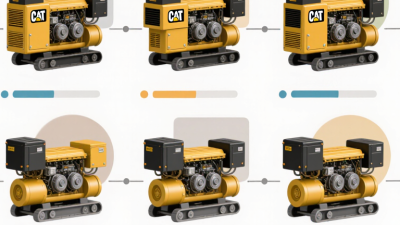
Typical diesel genset capacity tiers, shown in kilovolt-amperes (kVA). These indicative ranges describe product segmentation—not manufacturer market shares.

Manufacturers may offer products across multiple tiers, and capacity classifications vary by supplier and application.

What Factors Define a Leading Chinese Manufacturer

A leading Chinese diesel genset manufacturer is defined by more than rated power or a polished catalog. Look for evidence that engineers match the engine, alternator, cooling system, and control panel to the intended duty. A set serving a remote pump station faces different demands from one used in a city building. Ask for load-test records, temperature limits, fuel-consumption figures, and clear explanations of the test conditions. Numbers without context are weak evidence.

Manufacturing consistency matters just as much. Inspect welds, wiring labels, enclosure seals, and access to routine service points. A technician should be able to reach filters and drain plugs without dismantling half the canopy. Request sample inspection reports and serial-number traceability. Small details count. So does honest documentation: a supplier should state what is standard, what is optional, and what depends on local requirements.

After-sales support separates capable suppliers from short-term sellers. Check whether manuals are understandable, spare parts can be identified by part number, and technicians can respond across the intended operating region. Ask how warranty claims are handled, not only how long coverage lasts. A low purchase price may still make sense, but only when service costs and downtime are considered. One limitation: factory test results cannot predict every site condition. Independent commissioning can reveal issues brochures miss.

Major Diesel Genset Manufacturers in China

China’s major diesel genset manufacturers include engine-integrated producers, specialist system packagers, and export-focused assemblers. Their capabilities differ. Some build the engine and alternator into one production chain; others focus on enclosure design, controls, and installation support. Buyers should compare rated and standby output, fuel use at partial load, service access, and parts availability—not just headline kilowatts.

China Electricity Council statistics report national electricity consumption of 9.85 trillion kWh in 2024, up 6.8% year on year. The IEA’s Electricity 2025 report says global electricity demand grew 4.3% in 2024. These figures describe power demand, not genset sales, but they underline why dependable backup capacity matters. During supplier checks, request witnessed load-bank results at several load levels, including 25%, 50%, 75%, and 100%. Inspect the radiator, exhaust routing, control panel, and access to routine service points. Ask for clear documentation on emissions performance and applicable standards. A polished factory visit is useful, but it cannot prove long-term reliability. That part takes evidence. Some specifications still need careful interpretation.

How Chinese Manufacturers Differ in Products and Markets

Chinese diesel genset manufacturers differ less by country than by the customers and operating conditions they serve. Some focus on compact units for farms, workshops, and backup power. Others build higher-capacity sets for factories, construction sites, or data facilities. Enclosure design, cooling systems, control panels, and sound levels can vary substantially. Small details matter.

Product choices often reflect local priorities. A buyer needing occasional backup may value simple controls and easy servicing. A continuous-duty user may care more about engine matching, alternator performance, and access to replacement parts. Options such as automatic transfer controls or weather-resistant housings can also affect the final configuration. More features are not always better.

Export-oriented manufacturers may offer multiple voltage and frequency configurations, along with documentation and packaging suited to overseas shipments. Domestic-focused suppliers may be more familiar with common local installations and service expectations. These are tendencies, not guarantees; capabilities differ between factories. Buyers should compare rated output, fuel use, noise data, test records, warranty terms, and local service support. A polished specification sheet can still leave practical questions unanswered, especially about parts availability after installation.

What Are the Top Diesel Genset Manufacturers in China? - How Chinese Manufacturers Differ in Products and Markets

China’s diesel genset suppliers vary in their engineering, product range, customization, and export focus. The comparison below describes common market patterns, not specific companies; capabilities and specifications differ by manufacturer and model.

Comparison dimension Common market differences What buyers should check
Product range Some suppliers concentrate on compact units for buildings, shops, and light industry; others offer larger sets for factories, infrastructure, or utility support. Power ratings and available configurations vary by product line. Compare standby and prime ratings, load profile, voltage, frequency, and operating conditions—not just the advertised maximum output.
Engine and alternator options Genset makers may assemble packages using engines and alternators from different suppliers, or offer more integrated product ranges. Available components can differ by model and destination market. Request the exact component makes and model numbers, technical datasheets, service requirements, and local parts availability.
Enclosure and installation Typical configurations include open skid-mounted sets, sound-attenuated enclosures, and containerized packages. Options for weather protection, cooling, and access for maintenance differ. Check measured sound levels and test conditions, ventilation, ambient-temperature limits, access clearances, and site installation requirements.
Controls and system integration Basic control panels are common, while higher-specification packages may support automatic start, remote monitoring, and synchronization for multiple generators. Features depend on the selected controller and package. Confirm communication protocols, protection functions, automatic transfer requirements, synchronization scope, and commissioning support.
Emissions and compliance Emissions requirements depend on the country, application, engine, and intended use. A configuration suitable for one market may not meet another market’s rules. Verify the applicable emissions documents and electrical standards for the exact engine and genset configuration before ordering.
Customization and lead time Suppliers differ in how readily they can customize fuel systems, control panels, enclosures, outlets, and other package details. Special configurations may affect production and delivery schedules. Request a confirmed scope, drawings, bill of materials, inspection plan, and delivery schedule for the specified configuration.
Typical market segments Products may serve construction, manufacturing, commercial buildings, telecommunications, agriculture, or backup-power projects. Export-oriented suppliers may also adapt documentation and configurations to overseas requirements. Match the set to the application’s duty cycle, starting load, altitude, temperature, fuel quality, and expected service conditions.
After-sales support Support can range from factory guidance and spare-parts supply to local service coverage through distributors or service partners. Coverage is not uniform across regions. Confirm warranty terms, response arrangements, recommended spares, technician availability, and the location of service support.

What to Check When Comparing Diesel Genset Suppliers

A reliable comparison starts with the job the generator must do. Ask each supplier to state the continuous and standby ratings separately, then match them to your actual loads. A set sized only from a building’s average demand may struggle when pumps or motors start together. Request fuel-consumption figures at several load levels, not just one attractive number. Numbers matter.

Review the technical documents closely. Check that the engine, alternator, controller, cooling system, and enclosure are specified for your operating conditions. For a coastal site, ask about corrosion protection; for a hot, dusty location, check cooling performance and filter access. Request a factory test report showing voltage, frequency, and load-test results. Confirm what testing is included before delivery, and whether witnessed testing is available.

Service can matter as much as the machine. Ask how quickly common parts can be supplied, who handles commissioning, and what the warranty excludes. Get response times and maintenance intervals in writing. Compare like with like: one quote may include a fuel tank, sound enclosure, and site support, while another may not. I would not trust a polished datasheet alone; gaps often appear in the fine print, and I have to admit they are easy to overlook.

Go to Top