
Who Are the Best Diesel Genset Manufacturers in China?
Choosing the best diesel genset manufacturer in China takes more than comparing prices or reading product brochures. Buyers need to understand how each supplier handles engine and alternator selection, factory testing, customization, and after-sales support. A dependable set should match the site’s required voltage, frequency, operating hours, and starting load. Small details matter. A control panel that is easy to read, accessible service points, and clear wiring documentation can save time during installation and maintenance.
This guide examines manufacturers through practical criteria rather than unsupported rankings. It considers production experience, certifications, quality-control procedures, product range, export capability, and the availability of spare parts. Ask what a factory test actually covers: a witnessed load-bank run, for example, provides more useful evidence than a general statement that every unit is tested. Buyers should also check whether quoted ratings are standby or prime power, and confirm the engine model and warranty terms in writing. These checks help reveal differences that a price list may hide.
“Best” depends on the project. A contractor needing a mobile unit has different priorities from a hospital or a remote industrial site. Manufacturer information can change, and a polished brochure may leave gaps; independent verification is still worthwhile. The following overview offers a practical starting point for comparing Chinese suppliers, asking sharper questions, and choosing a diesel genset that fits real operating conditions—not just the specification sheet.
What Defines a Leading Diesel Genset Manufacturer in China?
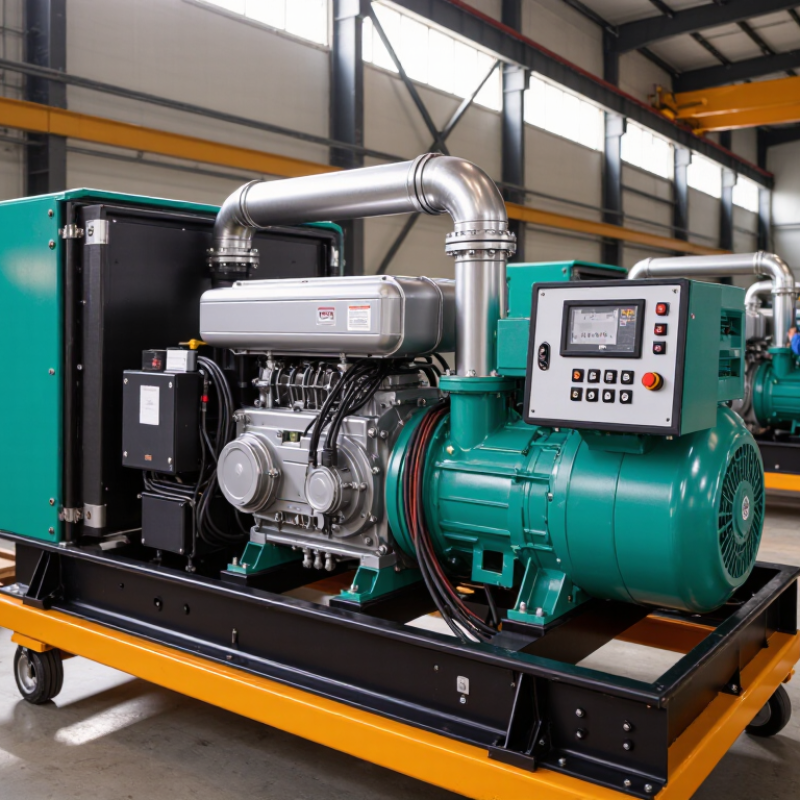
A leading diesel genset manufacturer in China does more than assemble an engine and alternator. It matches the set to the site’s real load, including motor starting surges, ambient heat, and expected running hours. Ask how ratings are calculated, and whether the proposed unit has room for future demand. Small details matter.
Production quality should be visible in repeatable checks. Look for documented inspection of wiring, fuel lines, cooling connections, and control panels. A witnessed load-bank test can reveal unstable voltage, excessive temperature rise, or poor response when load changes. Ask for the test record, not just a claim that every set is tested. That matters.
A dependable manufacturer also explains service needs clearly: filter intervals, coolant checks, spare-part availability, and troubleshooting support. Technical answers should be specific, not copied from a brochure. Factory tours and sample records can help buyers judge consistency, though one visit cannot prove every production batch is identical. No process is flawless. The useful question is how faults are recorded, investigated, and prevented from recurring. Manufacturers that discuss limitations openly may be easier to work with than those promising perfect performance in every condition.
Who Are the Best Diesel Genset Manufacturers in China? - What Defines a Leading Diesel Genset Manufacturer in China?
| Evaluation Dimension | What Strong Performance Looks Like | Evidence to Check | Why It Matters |
|---|---|---|---|
| Rating and application clarity | Clearly states whether each output is standby, prime, or continuous power, and defines the applicable operating limits. | Datasheets that identify rating type, operating hours or load assumptions, ambient conditions, altitude, and any derating requirements. Compare ratings using the same basis. | These rating categories are not interchangeable; comparing unlike ratings can lead to incorrect equipment sizing. |
| Standards and quality controls | Provides product documentation aligned with relevant ISO 8528 requirements and operates a documented quality management system. | Applicable test reports and certificates; check their issuing body, validity, scope, and whether they cover the offered product or manufacturing site. ISO 9001 certification is a quality-system indicator, not proof of genset performance by itself. | Standards and traceable quality processes make product requirements and test results easier to assess. |
| Performance testing | Tests completed units and reports relevant electrical and operating results against the agreed specification. | Factory test procedures and sample reports covering output, frequency, voltage regulation, protective functions, and operation under load. Confirm test conditions and acceptance criteria. | A documented test process helps identify build or configuration issues before shipment. |
| Fuel consumption and efficiency data | Publishes fuel-consumption figures at clearly identified load points instead of giving a single figure without context. | Fuel use at stated percentages of rated load, with the rating basis, fuel specification, and test conditions noted. Treat published figures as comparable only when conditions match. | Actual fuel use changes with load, configuration, and operating conditions, and can be a major part of lifecycle cost. |
| Electrical configuration and integration | Can specify suitable voltage, frequency, control and protection options, and explain compatibility with the intended installation. | A project-specific technical proposal listing alternator and controller details, protection functions, switchgear, synchronization requirements where applicable, and interface drawings. | Correct integration is essential for safe operation with the site electrical system and connected loads. |
| Emissions and noise compliance | Identifies the engine configuration and emissions documentation available for the destination market, and provides noise data with measurement conditions. | Applicable emissions certificates or test documents, plus noise readings that state distance, test environment, and whether the set is open, enclosed, or otherwise configured. | Requirements vary by jurisdiction and installation; compliance should be confirmed for the specific model and location. |
| Service, parts, and warranty support | Provides written warranty terms, maintenance guidance, troubleshooting support, and a practical route to obtain replacement parts. | Warranty exclusions and duration, service response arrangements, parts lead-time information, manuals, and a clear escalation contact for the destination market. | Availability of support and parts affects uptime and the total cost of ownership. |
| Customization and documentation | Confirms the final configuration in writing and supplies documentation that matches the delivered unit. | Approved drawings, bill of materials or configuration list, operation and maintenance manuals, wiring diagrams, and unit identification records. | Accurate documentation supports installation, commissioning, maintenance, and future troubleshooting. |
Note: No single specification determines the best manufacturer for every project. Evaluate the offered genset against the site load, local regulations, operating profile, service needs, and independently verifiable documentation.
Related Posts
-
Top 10 Power Diesel Generator Types for Global Buyers?
-
China Top 10 Diesel Generator Set Manufacturers?
-

2026 Top Caterpillar Diesel Generators for Global Buyers
-
Top 10 Caterpillar Diesel Generator Models and Prices
-
The Ultimate Guide to Choosing the Right Small Diesel Generator for Your Needs
-

2026 How to Choose a Small Diesel Generator for Your Needs?