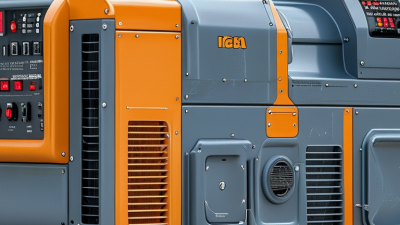
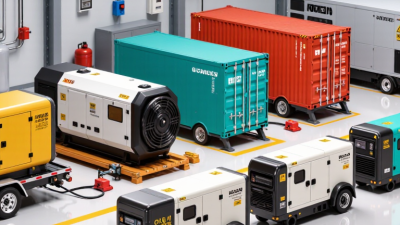
An industrial diesel generator is a heavy-duty machine that converts fuel energy into dependable electrical power. It supports factories, hospitals, data centers, construction sites, and remote facilities when utility power fails or remains unavailable.
Inside the unit, a diesel engine burns fuel inside its cylinders. The engine turns a crankshaft, which drives an alternator. The alternator then produces electricity through electromagnetic induction. A control panel regulates voltage, frequency, alarms, and automatic transfer functions. Batteries start the engine, while the cooling system removes heat from the cylinders, radiator, and exhaust path.
“Reliable power begins with correct sizing, installation, maintenance, and testing.”
This practical observation is often associated with Mike Carr, an industrial power-generation specialist at Generac. The point is important. A powerful engine alone does not guarantee reliable electricity. Load type, starting current, fuel quality, ventilation, altitude, and ambient temperature all influence performance. Even a clean-looking generator can fail after months of neglect.
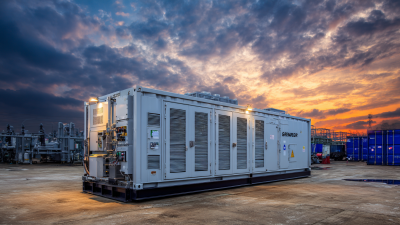
A typical industrial diesel generator may sit inside a steel enclosure, beside a fuel tank and a concrete foundation. During a utility outage, sensors detect the interruption. The automatic transfer switch moves critical loads to generator power, usually within seconds. When utility power returns, the system transfers the load back and cools the engine before shutdown.
The process sounds simple. It is not always simple.
This guide explains the main components, operating sequence, sizing considerations, and maintenance requirements of an industrial diesel generator. It also examines common assumptions that deserve a second look, especially the belief that occasional testing is enough for long-term readiness.
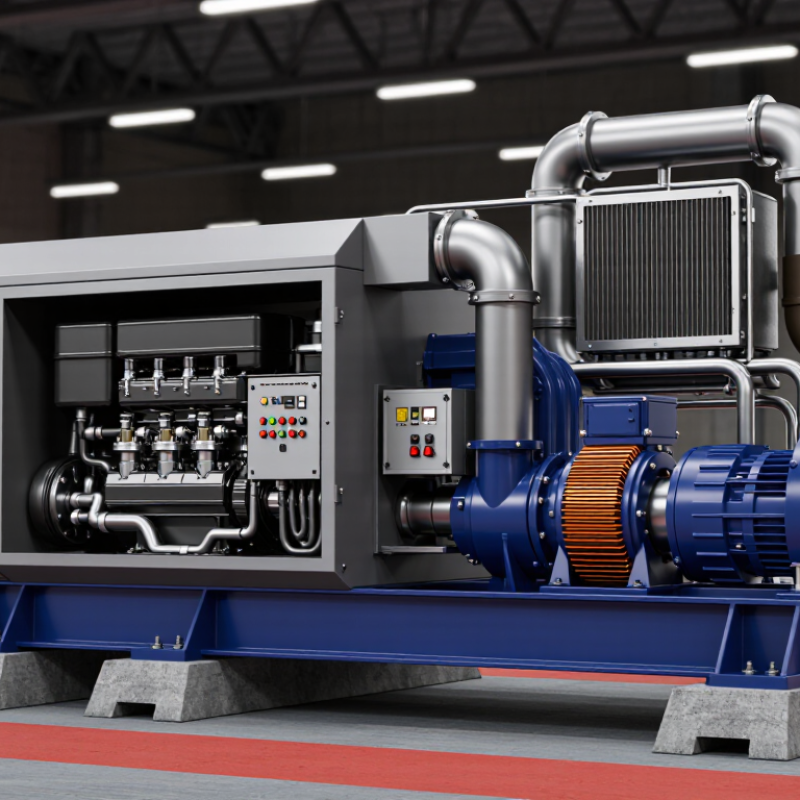
An industrial diesel generator is a compression-ignition power system designed for demanding facilities. Its core purpose is to supply electricity when the utility grid fails, becomes unstable, or cannot meet peak demand.
It combines a diesel engine, alternator, control panel, fuel system, cooling system, and exhaust equipment. The engine burns diesel fuel and rotates the alternator. The alternator then converts mechanical motion into electrical power.
Simple in principle. Not simple in operation.
These generators support factories, hospitals, water-treatment plants, construction sites, and data centers. They may provide standby power, prime power, or continuous-duty power.
The International Energy Agency’s Electricity 2024 report projects data-center electricity use could exceed 1,000 terawatt-hours by 2026, increasing pressure on reliable backup systems.
However, a generator cannot instantly replace every grid function. Transfer switches, fuel storage, load management, and scheduled testing also matter.
The U.S. Energy Information Administration reports that diesel remains an important fuel for backup and off-grid generation because it stores energy on site and responds quickly.
Real equipment exposes a less perfect truth. A rarely tested generator may start slowly, leak fuel, or fail under sudden load.
Operators therefore inspect batteries, coolant, filters, exhaust paths, and fuel quality.
ISO 8528 guidance also separates ratings by operating duty, because a unit built for occasional standby use should not be treated like continuous prime equipment.
Specification errors happen. They should be questioned before installation.
An industrial diesel generator converts stored fuel energy into dependable electrical power during outages or remote operations. It combines a diesel engine, alternator, control system, cooling circuit, fuel system, and protective enclosure. Each part has a separate duty. Together, they must remain synchronized.
Inside the engine, pistons compress air inside the cylinders. Fuel injectors meter diesel into the heated air. Combustion pushes the pistons downward and turns the crankshaft. The crankshaft drives the alternator through a coupling. An electronic governor adjusts engine speed when electrical demand changes. The cooling system removes heat through coolant, a radiator, and airflow. Radiator airflow, coolant level, and belt tension matter. Without enough lubrication, friction can damage bearings quickly. That failure is rarely dramatic at first.
The alternator changes mechanical rotation into electrical current. An automatic voltage regulator helps maintain stable output under changing loads. The controller displays voltage, frequency, engine speed, and alarm conditions. Temperature and oil-pressure sensors can stop the engine before severe damage occurs. The starting battery supplies power to the starter motor and control circuit. The exhaust system directs hot gases away from operators and equipment. Vibration mounts reduce stress on the frame and connected wiring. During inspections, technicians check terminals, hoses, filters, and fluid leaks. However, a clean reading does not prove reliable performance. Load testing remains important, because hidden weaknesses often appear only under demand.
What Is an Industrial Diesel Generator and How Does It Work?
How Diesel Fuel Is Converted into Electrical Power
An industrial diesel generator combines a diesel engine with an electrical generator. The engine burns diesel fuel inside its cylinders. Combustion creates expanding gases that push pistons downward. This movement turns a crankshaft, producing mechanical rotation.
The rotating crankshaft drives an alternator through a direct coupling. Inside the alternator, a magnetic field moves across copper windings. This motion induces an electrical current. The generator then regulates voltage and frequency for connected equipment. A control panel monitors temperature, oil pressure, speed, and electrical load. If conditions become unsafe, protective systems can shut the unit down.
Fuel conversion is never perfectly efficient. Some energy becomes heat, vibration, and exhaust. A cooling system removes excess heat, while the exhaust system carries gases away from the engine area. In practical operation, clean fuel, correct oil levels, and regular filter changes strongly affect output stability. I have seen minor maintenance delays become noticeable voltage problems during heavy demand. That detail is easy to overlook.
Load changes also matter. Large motors can require a brief surge of starting power. An undersized generator may slow down or produce unstable electricity. Engineers therefore match generator capacity with both running loads and starting demands. Sound testing under realistic loads provides more dependable evidence than idle operation alone.
An industrial diesel generator converts diesel fuel into dependable electrical power for demanding facilities. Its control system monitors engine speed, voltage, frequency, oil pressure, and coolant temperature. When utility power fails, an automatic controller can start the engine and transfer the electrical load. Sensors provide constant feedback, while protective shutdowns respond to overspeed, overheating, or low lubrication pressure. In practice, clear alarm messages matter as much as automatic operation. Operators need to understand the cause, not simply reset the panel.
Cooling, lubrication, and exhaust management protect the engine during long operating periods. A radiator removes heat from the coolant, while a pump maintains circulation through the engine block. Lubricating oil forms a thin film around bearings, pistons, and moving shafts. Dirty oil can increase friction and accelerate wear. The exhaust system carries combustion gases outdoors through insulated piping, reducing heat exposure and improving workplace safety. Poor ventilation remains a common mistake. Even a powerful cooling system cannot compensate for restricted airflow.
Tips: Check coolant levels, oil condition, battery voltage, and exhaust joints during every scheduled inspection. Record readings instead of relying on memory. Listen for unusual knocks or changes in exhaust color. Small clues often appear before major faults. No inspection is perfect. Review missed details after each test run, and adjust the maintenance checklist when real operating conditions expose weaknesses.
An industrial diesel generator converts fuel energy into electricity. A diesel engine turns an alternator through a controlled combustion cycle. The alternator then supplies power when the utility grid fails. Automatic transfer equipment can complete this changeover within seconds. It starts quickly.
Industrial sites use these systems in factories, hospitals, mines, ports, and data facilities. They protect production lines, refrigeration, pumps, safety systems, and critical controls. The U.S. Energy Information Administration reports that diesel fuel contains about 137,000 British thermal units per gallon, supporting strong energy output from compact storage.
Their main advantages include high torque, dependable starting, and long operating life under heavy loads. Diesel units also suit remote locations because fuel storage can support extended operation. However, they are not maintenance-free. Uptime Institute’s Annual Outage Analysis shows that serious outages can create costs exceeding $100,000, making standby reliability a financial concern.
Correct sizing matters too. Oversizing may cause wet stacking, poor combustion, and unnecessary fuel use. Real installations are rarely perfect.
Tips: Inspect coolant, oil, belts, batteries, and exhaust paths monthly. Test the generator under load, not only at idle. NFPA 110 recommends regular emergency power-system inspections and operational testing. Keep fuel clean and check for water contamination. Filters clog. Record every alarm and repair. A perfect schedule does not exist; site conditions should reshape the maintenance plan.