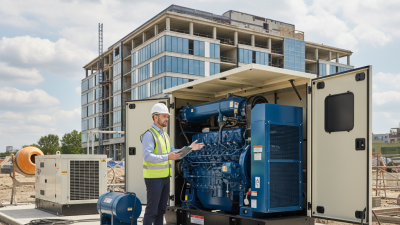
What Is a Perkins Genset and How Does It Work?

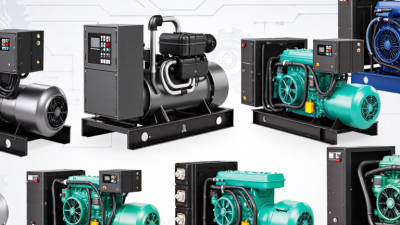
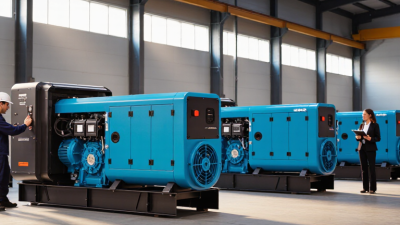
A perkins genset is a diesel-powered generator set built around a Perkins engine and an electrical alternator. It converts fuel energy into dependable electrical power. You may find one supporting a construction site, factory, hospital, or remote facility. Its value becomes clear when the main grid fails or cannot reach the location.

The working process is straightforward, although every component matters. Diesel fuel enters the engine and burns inside its cylinders. The combustion pushes pistons, turning the crankshaft. This rotation drives the alternator, which produces electrical current. A controller regulates voltage, monitors engine speed, and displays warnings. Meanwhile, the cooling system manages heat, while the exhaust system removes combustion gases. Without proper airflow, lubrication, and fuel quality, performance can decline quickly.

Small details often decide reliability. A loose battery connection may prevent starting. A blocked radiator can cause overheating under heavy load. Regular inspections should include oil level, coolant condition, belts, filters, and battery voltage. Manufacturer service schedules and qualified technicians provide the most reliable guidance. Local operating conditions also matter, especially dust, humidity, altitude, and changing temperatures.

The system is not magic.

It is a coordinated machine.

This article explains how a perkins genset works, what its main parts do, and why correct sizing matters. It also considers practical limitations, because no generator performs perfectly in every environment. Careful maintenance can reduce failures, but it cannot replace proper installation, testing, and professional judgment.
What Is a Perkins Genset and How Does It Work?

Perkins Genset Definition: Diesel Power Ratings from 7.5 to 2,500 kVA

A genset combines a diesel engine, alternator, control panel, and cooling system. The engine produces mechanical power. The alternator converts it into electricity. A controller keeps voltage and frequency within operating limits.

Diesel power ratings commonly range from 7.5 to 2,500 kVA. Smaller units can support shops, pumps, or emergency lighting. Larger systems can serve factories, hospitals, and data facilities.

One kVA represents apparent power, while usable kilowatts depend on power factor. At a 0.8 power factor, a 2,500 kVA set delivers about 2,000 kW. ISO 8528-1 separates standby, prime, and continuous ratings. This distinction matters. A standby rating supports outages, while a prime rating allows variable loads over extended periods.

According to the IEA Electricity 2024 report, global electricity demand was expected to grow by about 4% in 2024 and 2025. That growth increases pressure on reliable backup systems, especially where grid interruptions affect production. In field inspections, battery condition, fuel quality, airflow, and load-bank testing often decide real performance. The nameplate alone does not.

A 7.5 kVA unit may fail when starting a motor with high inrush current.

A 2,500 kVA unit may also underperform if lightly loaded for long periods.

The rating looks precise, but site conditions remain imperfect.

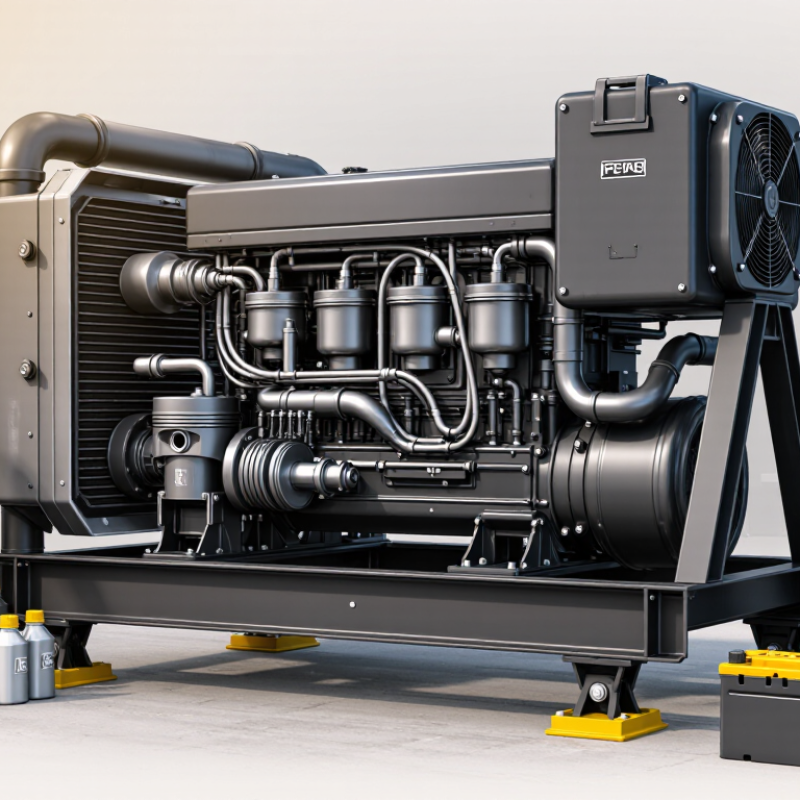
Core Components: Engine, Alternator, Governor, Radiator, and Control Panel

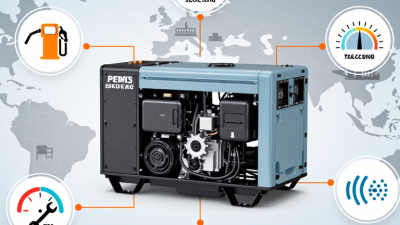
A diesel genset combines five working systems inside one controlled package. The engine converts fuel energy into rotating mechanical power. Its crankshaft drives the alternator, which produces electrical power through electromagnetic induction. The governor adjusts fuel delivery when loads change. Without it, lights may flicker or motors may stall. The radiator removes heat through coolant, airflow, and a fan. Keep it clear of dust and loose plastic.

The control panel acts as the operator’s interface and protection system. It displays voltage, frequency, oil pressure, coolant temperature, running hours, and alarm codes. During a utility failure, an automatic controller can start the engine, verify stable output, and transfer the load. The International Energy Agency’s Electricity 2024 report estimates that data centers used about 240 TWh in 2022, with demand potentially reaching 620–1,050 TWh by 2026. Reliable standby generation is therefore becoming more important.

Correct sizing still requires engineering judgment. A load bank test can reveal voltage instability that a no-load start will miss. Technicians should inspect coolant level, belt tension, battery condition, air filters, and terminal tightness. The radiator may look clean but still have restricted internal passages. That is easy to overlook. Maintenance records should compare temperatures and frequency readings over time, not just mark tasks complete. A genset can start successfully and still fail under a sudden motor load. That uncomfortable distinction deserves attention.

How It Works: Four-Stroke Combustion Drives a 1,500–1,800 rpm Alternator

A genset combines an internal-combustion engine with an alternator. The engine supplies rotation, while the alternator converts that motion into electricity. In a typical diesel genset, four-stroke combustion drives the system. Every cylinder completes intake, compression, power, and exhaust strokes.

During intake, the piston draws in air. Fuel is injected near the top of the compression stroke. The hot, compressed air ignites the fuel without a spark plug. Expanding gases force the piston downward. That movement turns the crankshaft and connected alternator rotor. The exhaust stroke then removes burned gases from the cylinder.

The alternator commonly runs at 1,500 or 1,800 rpm. A four-pole alternator can produce 50 Hz at 1,500 rpm and 60 Hz at 1,800 rpm. These figures depend on frequency requirements and generator design.

A governor adjusts fuel delivery to maintain speed when electrical loads change. An automatic voltage regulator controls excitation and helps stabilize output voltage.

Small details matter. A sudden motor load can briefly pull down engine speed. Poor cooling, dirty filters, or uneven fuel delivery can worsen the dip. Real machines are less tidy. Vibration, ambient temperature, and maintenance quality all affect performance. Operators should check oil pressure, coolant temperature, battery condition, and exhaust color during operation. A black exhaust plume may indicate incomplete combustion, though diagnosis requires proper testing. Safety procedures and manufacturer specifications still deserve careful attention.

Power Generation Process: Mechanical Energy Converted into 50/60 Hz Electricity

A genset combines a diesel engine with an alternator to produce usable electricity. The engine burns fuel inside its cylinders, creating pressure that pushes the pistons. This movement turns the crankshaft and supplies mechanical energy to the alternator.

Inside the alternator, a rotating magnetic field crosses stationary copper windings. This action induces an electrical current. The output is alternating current, usually regulated at 50 or 60 Hz. Engine speed controls frequency, while the alternator’s voltage regulator controls voltage. A governor adjusts fuel delivery when electrical demand changes. For example, a sudden motor start may lower engine speed briefly. The control system then responds within seconds. Frequency can still fluctuate under heavy loads.

Tips: Check frequency with a calibrated meter during commissioning. Keep cooling passages clean and inspect belts, terminals, and fuel filters regularly. Load testing is valuable. It reveals weak connections that normal operation may hide. Always match the generator’s phase, voltage, and frequency with the connected equipment. Real installations are rarely perfect. Cable length, ambient heat, and poor maintenance can reduce performance. A simple inspection log also improves reliability, although it is easy to neglect during busy periods.

A genset converts the diesel engine's mechanical shaft power into electrical power through an alternator. This representative 100 kW operating profile uses realistic conversion efficiencies for a medium-sized diesel generator. The alternator produces stable 50/60 Hz AC electricity while mechanical input remains higher than electrical output because of heat, friction, and magnetic losses.

Performance Factors: Fuel Use, Load Capacity, Voltage Control, and Emissions Data

A diesel genset combines an engine and alternator to produce electrical power when the grid fails. In field checks, fuel use changes sharply with load. A lightly loaded unit may consume more fuel per kilowatt-hour than expected. At 75% load, combustion is usually more efficient. Operators should record litres per hour, ambient temperature, and actual output, not rely only on catalogue figures.

Load capacity depends on the rating type. Prime-rated equipment can support changing loads, while standby-rated equipment is intended for limited emergency operation. Motors, pumps, and compressors can draw high starting current. That surge may overload an undersized genset, even when running power appears acceptable. Keep continuous demand below the rated capacity. A practical margin is often wise.

Voltage control comes from the alternator and its automatic regulator. Stable voltage protects sensitive controls, lighting, and communication equipment. Sudden load changes can still cause brief dips. Regular testing should include phase balance, frequency, and voltage under several loads. Emissions data should identify fuel type, operating speed, test conditions, and applicable local limits. Dirty filters, worn injectors, and poor maintenance can increase smoke and nitrogen oxide output. Published figures are useful, but field results may differ. I have seen fuel estimates fail when operators ignored idle time and seasonal temperature changes. That detail deserves attention.

Go to Top