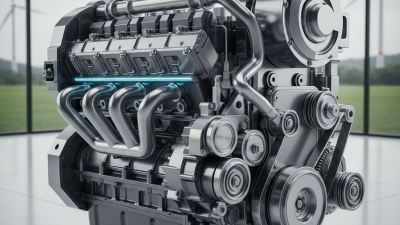
Global buyers are entering a more demanding power market. The International Energy Agency’s Electricity 2024 report projects global electricity demand will grow by about 4% annually from 2024 to 2026. Data centers, factories, hospitals, and construction sites all require dependable backup capacity. In these environments, a generator is not merely a machine. It protects production, safety, and service continuity.
This guide examines 10 best Perkins generator suppliers for global buyers. The selection considers authorized distribution, engine authenticity, alternator quality, control systems, after-sales support, and export experience. Perkins generator packages can support applications ranging from compact standby units to large industrial installations. However, supplier capability varies sharply between regions. Some companies provide detailed load calculations and commissioning support. Others mainly resell equipment with limited technical guidance.
That difference matters.
The IEA’s Electricity 2024 analysis also highlights rising pressure on grids as electrification expands. Meanwhile, industry studies from Fortune Business Insights identify continued growth in the global generator sets market through the next decade. These findings suggest stronger demand, but they do not guarantee reliable purchasing decisions. Buyers should verify service coverage, spare-parts availability, emissions documentation, warranty terms, and delivery schedules before signing contracts.
A low quoted price may conceal expensive downtime. A familiar brand may still have an unsuitable local supplier. No ranking is perfect. This review therefore combines manufacturer credibility, field experience, technical transparency, and buyer feedback. It aims to help contractors, facility managers, and international procurement teams compare practical options with greater confidence.
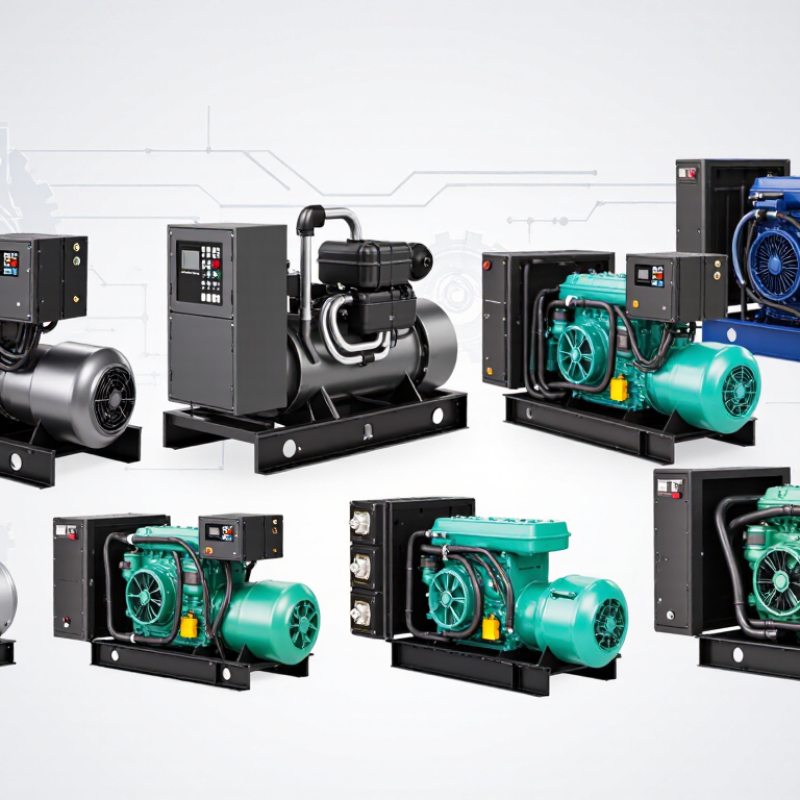
Perkins generators are widely used where stable power cannot be assumed. Their diesel engines support construction sites, hospitals, factories, farms, and data facilities. Buyers typically choose prime power for continuous operation or standby power for emergency outages. Output ratings, fuel consumption, voltage, and frequency require careful checking. A 50 Hz model may not suit a 60 Hz network. Small details can stop a project.
Global demand is rising in regions with expanding infrastructure and unreliable grids. Remote mines may need rugged enclosures and large fuel tanks. Hospitals often require automatic transfer systems, low noise, and dependable starting in cold weather. Coastal projects need protection against salt air. High-altitude sites also need derating calculations because thinner air reduces engine performance. Local emissions rules and maintenance access matter as much as the purchase price.
Tips: Request load data before selecting a generator. Include motors, pumps, lighting, and future expansion. Ask for service intervals, spare-parts availability, warranty terms, and technician training. Inspect the control panel, radiator, cables, and emergency stop during acceptance testing. No selection method is flawless. A cheaper unit can become expensive when fuel use, transport, and downtime are ignored. Sometimes, buyers focus too heavily on rated power and overlook starting loads. That mistake is common.
Choosing a generator supplier requires more than comparing purchase prices. Start with verified experience in your region, especially for hospitals, construction sites, and remote facilities.
Ask for documented installations, service response times, and technician qualifications. A supplier should explain load calculations, fuel consumption, noise levels, and expected performance at 75% load.
Use recognized standards as practical filters.
ISO 8528 supports generator-set performance and testing requirements, while ISO 9001 certification can indicate controlled quality processes.
The Uptime Institute’s 2024 outage analysis reported that 54% of surveyed organizations experienced a data-center outage during the previous three years. This shows why maintenance capacity matters as much as equipment specifications.
Request preventive-maintenance schedules, spare-parts availability, and written escalation procedures. Do not accept vague promises.
Tips:
Compare total cost over five years, not only the quotation. Check warranty exclusions carefully. Ask for a load-bank test report before shipment and commissioning records after installation.
The World Bank’s 2023 Logistics Performance Index highlights reliability and supply-chain predictability as major trade factors. Therefore, evaluate delivery history, customs support, and local inventory.
A cheaper supplier may become expensive when one control module waits six weeks.
I have seen buyers overlook training. That mistake is easy to repeat. Conduct a video audit of the workshop, inspect test instruments, and speak with two recent customers. Their feedback may reveal delayed responses that brochures never mention.
International buyers need more than a supplier list when sourcing diesel generator sets. They need evidence, practical support, and predictable communication. The ten leading suppliers in this market typically serve contractors, factories, hospitals, farms, and data facilities across several regions.
Experienced suppliers explain engine options, alternator ratings, fuel consumption, and standby or prime-power requirements clearly. They also provide load calculations instead of guessing from a customer’s stated wattage. Ask for factory inspection records, test reports, warranty terms, and replacement-part availability. Small details matter. Check terminal layouts, sound levels, enclosure materials, and control-panel language before placing an order.
Reliable suppliers usually maintain documented quality procedures and offer commissioning guidance after delivery. Their engineers may review ambient temperature, altitude, humidity, and local grid conditions. These factors can change actual performance. Shipping experience is also important, especially for customs documents, wooden packaging, and port handling. Request references from buyers in a similar climate or industry.
A polished website proves little. I have seen attractive quotations hide unclear warranty exclusions and slow technical replies. That is a warning sign. Price should not lead the decision alone. A cheaper unit may create higher fuel costs, longer downtime, or difficult maintenance later. Even careful buyers can miss details, so comparing technical schedules line by line remains worthwhile. Supplier rankings should be treated as a starting point, not a final purchasing decision.
Common generator capacity ratings used by international buyers when comparing diesel generator suppliers.
The chart uses widely available nominal three-phase generator ratings from 20 to 1,000 kVA. The corresponding current values are calculated at 400 V using the formula I = kVA × 1,000 ÷ (√3 × 400), assuming a power factor of 1.0. Actual generator selection should also consider load type, altitude, ambient temperature, fuel standards, and local grid requirements.
Choosing among the 10 best Perkins generator suppliers requires more than comparing quoted prices. Supplier quality should begin with documented factory controls, traceable engine records, and load-bank testing under realistic conditions. ISO 9001 certification is useful, but it does not replace inspection evidence. Ask for recent test sheets, component serial numbers, and photographs of wiring, fuel systems, and control panels.
Certification must match the destination. Check ISO 8528 performance data, emissions documents, electrical conformity markings, and local registration requirements. The International Organization for Standardization reported more than one million ISO 9001 certificates worldwide in its 2022 survey. That figure shows broad adoption, not guaranteed quality. Certification can be incomplete. Verify the certificate holder and scope directly.
Pricing deserves a wider calculation. Compare fuel consumption, delivery terms, spare-parts availability, warranty limits, and technician response times. The Uptime Institute’s Global Data Center Survey 2023 found that 60% of respondents experienced an outage during the previous three years. Even a cheaper unit may become expensive after one delayed repair. Strong suppliers provide commissioning support, remote troubleshooting, preventive-maintenance schedules, and regional parts stock. Response promises should appear in writing. I would still request customer references from similar climates, because laboratory confidence can weaken in dust, heat, or unstable fuel conditions.
How to Choose the Right Generator Supplier for Your Market
Choosing a generator supplier requires more than comparing rated power and purchase price. The International Energy Agency reports that data-center electricity demand could exceed 1,000 TWh by 2026. Reliable backup power is becoming a business requirement, not a luxury. A suitable supplier should provide load analysis, fuel-consumption data, emissions documents, and service plans designed for your climate.
Check the supplier’s practical experience in your region. Ask for three verifiable customer references, local technician coverage, and typical response times. Request test records under real load, not only factory photographs. ISO 8528 provides useful guidance for generator performance and ratings. However, certificates alone are not enough. A supplier may hold the right paperwork but lack spare parts near your market.
The Uptime Institute reported that 60% of surveyed data-center outages cost more than 100,000 dollars. That figure makes after-sales support difficult to ignore. Compare warranty exclusions, maintenance intervals, remote monitoring, and parts availability. Review voltage, frequency, altitude, humidity, and ambient-temperature requirements carefully. Small mismatches can cause large failures. Price still matters, of course, but the cheapest offer may become expensive after one delayed repair. I would also score communication quality during quotation. Slow, unclear answers often predict harder support later.
| Rank | Anonymous Supplier Profile | Primary Market Fit | Typical Output Range | Recommended Support Model | Parts Availability | Remote Monitoring | Compliance Documentation | Best Buyer Match | Evaluation Score |
|---|---|---|---|---|---|---|---|---|---|
| 1 | Profile A: Global Project Supplier | International infrastructure and EPC projects | 100–2,500 kVA | Pre-sales engineering, commissioning, and regional service partners | High | Available | Complete project file | Large global buyers | 9.5/10 |
| 2 | Profile B: Regional Authorized Distributor | Commercial, industrial, and public-sector demand | 20–1,500 kVA | Local installation, preventive maintenance, and warranty coordination | High | Usually available | Standard package | Buyers needing local support | 9.2/10 |
| 3 | Profile C: Data-Center Specialist | Data centers, banking, and mission-critical facilities | 500–2,500 kVA | Load-bank testing, synchronization design, and 24/7 response planning | High | Advanced | Site-specific | Critical-load operators | 9.1/10 |
| 4 | Profile D: Export-Focused Supplier | Africa, the Middle East, Southeast Asia, and Latin America | 20–1,000 kVA | Export packing, shipping documents, and remote technical assistance | Medium to High | Optional | Export-ready | Importers and wholesalers | 8.9/10 |
| 5 | Profile E: Rental-Fleet Supplier | Temporary power, events, construction, and emergency backup | 30–750 kVA | Fast deployment, fleet servicing, and flexible configuration | High | Common | Operational records | Rental companies | 8.7/10 |
| 6 | Profile F: Industrial Power Integrator | Factories, mines, processing plants, and heavy industry | 250–2,500 kVA | Synchronization, load sharing, cooling, and fuel-system engineering | Medium to High | Available | Engineering-led | Industrial end users | 8.6/10 |
| 7 | Profile G: Healthcare Power Specialist | Hospitals, laboratories, clinics, and emergency facilities | 100–1,500 kVA | Automatic transfer systems, testing schedules, and preventive maintenance | High | Recommended | Critical-facility file | Healthcare buyers | 8.5/10 |
| 8 | Profile H: Agricultural and Remote-Site Supplier | Farms, telecom sites, remote facilities, and irrigation systems | 10–500 kVA | Simple controls, rugged installation, and field-service coverage | Medium | Optional | Basic to Standard | Remote-site operators | 8.3/10 |
| 9 | Profile I: Small-Business Power Supplier | Retail, offices, workshops, and small commercial sites | 10–250 kVA | Standard installation, operator training, and scheduled maintenance | Medium | Optional | Standard package | SMEs and contractors | 8.1/10 |
| 10 | Profile J: Budget-Oriented Trading Supplier | Price-sensitive markets and standard standby applications | 10–500 kVA | Equipment supply with third-party installation and service | Low to Medium | Rare | Verify before purchase | Experienced importers | 7.6/10 |