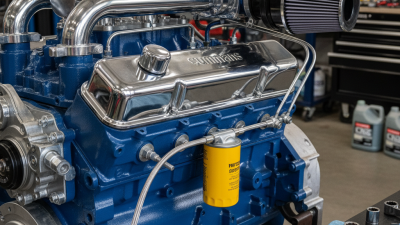
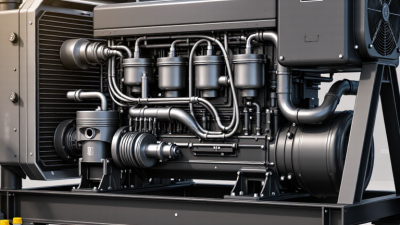
A cummins diesel engine turns fuel into useful mechanical power through controlled compression and combustion. Air enters the cylinder and is compressed until it becomes hot. Fuel is then injected as a fine spray. It ignites in the hot air, pushing the piston down and turning the crankshaft. That is the basic cycle. The sound may be familiar: a steady engine rhythm, with airflow and exhaust pulses close by.
Rudolf Diesel, the engineer who developed compression-ignition technology, wrote in 1912: “The use of vegetable oils for engine fuels may seem insignificant today. But such oils may become, in course of time, as important as petroleum and the coal-tar products of the present time.” His words concerned fuel possibilities, not Cummins specifications. Still, they point to a lasting feature of diesel engineering: fuel, combustion, and operating conditions all matter.
Cummins engines apply this principle across different applications, from work trucks to industrial equipment. Many models use turbocharging, electronic controls, and aftertreatment systems, but their layouts and capabilities vary. A model’s displacement, injection system, emissions equipment, and maintenance needs should be checked in its own documentation. No single description fits every engine. This guide explains the main components, follows the air-and-fuel path, and shows how combustion produces torque. It also looks at efficiency and upkeep. A practical detail is easy to miss: clean filters and the correct oil affect reliability as much as the engine’s core design. Even then, real-world performance depends on load, temperature, and maintenance history.
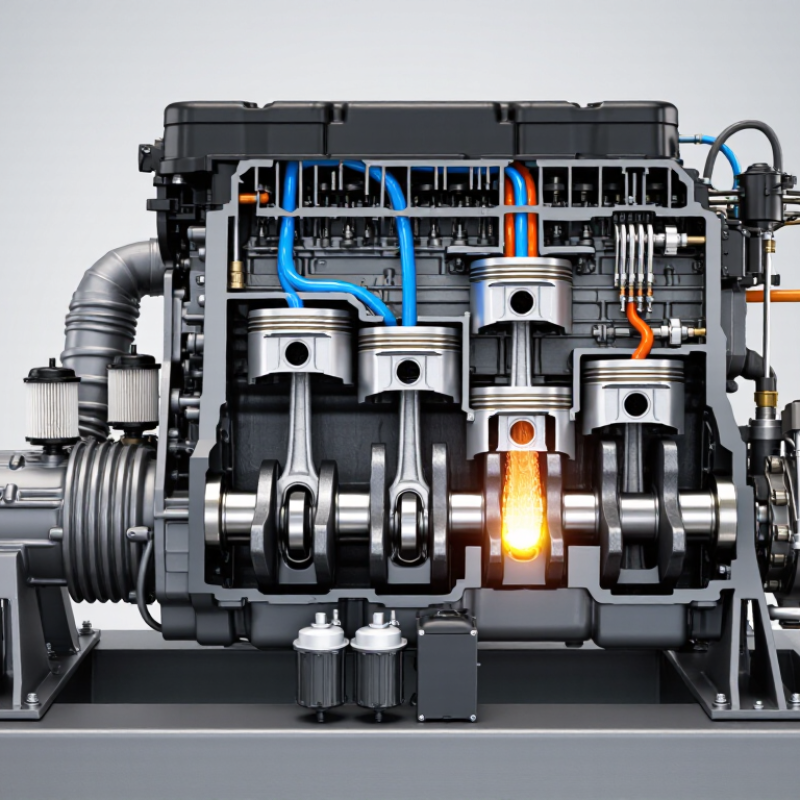
A diesel engine family is defined less by one shape than by how its parts work together. Fuel ignites when compressed, rather than being lit by a spark plug. A high-pressure injection system meters fuel into each cylinder, while the engine’s control system adjusts timing and delivery to suit speed and load. Many heavy-duty versions use turbocharging to push more air into the cylinders. The result is strong low-speed pulling power, useful for trucks, equipment, and generators. That matters.
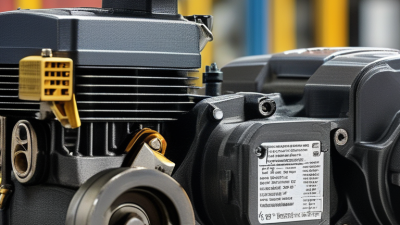
There is no single layout shared by every model. Cylinder count, displacement, emissions equipment, and cooling design can differ widely. A mechanic might identify a particular version by its data plate, not by sound alone. The label can tell you less than many buyers expect. Some engines feel similar under light load but behave differently when hauling uphill or running for hours. Service history and the correct parts matter, too. It is easy to focus on horsepower and overlook those details. That is a mistake worth reconsidering. A careful definition includes both the engine’s compression-ignition design and the specific configuration being discussed.
A diesel engine converts fuel energy into the crankshaft’s rotation. Its intake system draws air into the cylinders, where pistons compress it until it becomes very hot. Fuel injectors then deliver a measured spray. The heat ignites the fuel, pushing each piston downward. Connecting rods transfer that movement to the crankshaft, which turns the vehicle’s drivetrain. It is a precise sequence, though wear can make the timing and output less consistent.
The turbocharger, when fitted, uses exhaust flow to push more air into the engine. The cooling system carries heat away, while the oil pump sends lubricant between moving parts. These parts work quietly in the background. Small details matter.
Tips: Check oil and coolant levels when the engine is cool, and follow the service schedule for the specific engine. Look for fresh fluid beneath the vehicle or unusual smoke. One detail is easy to overlook: a warning light may appear only after a problem has already started, so routine inspections still matter.
Cold-start behavior can also offer clues. Slow cranking, uneven idle, or new metallic noise deserves attention from a qualified technician. A single symptom does not confirm a fault; diagnosis depends on testing and engine design.
A diesel engine converts fuel into motion through controlled heat and pressure. The piston draws air into the cylinder, then compresses it tightly. Compression raises the air’s temperature. Near the top of the piston’s travel, fuel is injected as a fine spray. The hot air ignites the fuel without a spark plug. It happens quickly.
Combustion creates expanding gases that push the piston downward. The connecting rod transfers that movement to the crankshaft, which turns it into rotation. That rotation can drive a vehicle or equipment. Many diesel engines also use a turbocharger to push more air into the cylinders, but the basic process remains the same. The explanation sounds tidy; real engines are less tidy. Fuel quality, temperature, wear, and maintenance can all affect starting, power, and emissions.
Tips: Keep air and fuel filters in good condition, and use the oil grade specified for the engine. Watch for new smoke, unusual knocking, or harder starting. Those signs can have several causes, so avoid guessing; check the service guidance or ask a qualified technician.
| Stage or Component | What Happens | Key Parts Involved | Result |
|---|---|---|---|
| Air intake | The intake valve opens as the piston moves downward, drawing fresh air into the cylinder. | Intake valve, piston, cylinder | The cylinder fills with air; fuel is not normally mixed with the incoming air in the intake system. |
| Compression | The valves close and the piston moves upward, compressing the air and raising its temperature. | Piston, cylinder, valves, crankshaft | Hot, highly compressed air creates the conditions needed for ignition by compression. |
| Fuel injection and combustion | Near the end of the compression stroke, an injector sprays finely atomized diesel fuel into the hot air. The fuel ignites as it mixes with the air. | Fuel injector, high-pressure fuel system, combustion chamber | Expanding combustion gases push the piston downward and produce the engine’s power stroke. |
| Power transmission | The piston’s up-and-down movement turns the crankshaft through the connecting rod. | Piston, connecting rod, crankshaft, flywheel | Reciprocating motion becomes rotating mechanical power that can drive a vehicle or machine. |
| Exhaust | The exhaust valve opens as the piston rises, pushing spent gases out of the cylinder. | Exhaust valve, piston, exhaust manifold | The cylinder is cleared for the next intake stroke. |
| Four-stroke cycle | A typical four-stroke diesel engine completes intake, compression, power, and exhaust over two crankshaft revolutions. | Valvetrain, pistons, crankshaft | Each cylinder produces one power stroke per cycle; multiple cylinders can provide smoother, more continuous output. |
| Air and temperature control | A turbocharger may use exhaust energy to force more air into the cylinders. A cooling system removes excess engine heat. | Turbocharger, intercooler, radiator, coolant passages | Additional air can support greater fuel delivery and power, while temperature control helps protect engine components. |
| Diesel ignition principle | Unlike a spark-ignition engine, a conventional diesel engine relies on heat from compressed air to ignite injected fuel. | Compression system, fuel injector, combustion chamber | Combustion begins through fuel-air mixing and compression heat rather than a spark plug. |
A diesel engine turns fuel energy into motion by compressing air until it becomes hot enough to ignite injected fuel. Air enters through a filter, then a turbocharger may push more of it into the cylinders. A charge-air cooler lowers its temperature before it reaches the intake. You can often hear the turbo build as engine load rises. Clean airflow matters: a clogged filter can restrict power, though it is not the only possible cause.
Fuel is metered at high pressure and sprayed into each cylinder at carefully timed intervals. The fine spray mixes with hot compressed air and burns, driving the piston downward. Small changes in timing or fuel delivery can affect both performance and exhaust quality. It is a precise process, but real engines are not perfectly tidy. Cold starts, heavy loads, and worn components can change how smoothly combustion occurs.
Sensors track conditions such as exhaust temperature and oxygen levels. Depending on the engine design, exhaust-gas recirculation can lower combustion temperatures, while a particulate filter captures soot. A reduction catalyst may also reduce nitrogen oxides. These systems need suitable operating temperatures and regular inspection. If a warning light appears, checking stored fault codes and the maintenance history is more useful than guessing from smoke color alone.
A diesel engine draws in air and compresses it until it becomes hot enough to ignite injected fuel. That combustion drives pistons and produces strong torque at low speeds. It suits heavy loads and long operating hours. Where do these engines earn their keep? On the road. In the United States, trucks carried 72.6% of domestic freight by weight in 2022, according to American Trucking Associations’ American Trucking Trends 2024. That figure describes freight, not engine share.
Diesel engines also power tractors in muddy fields, excavators turning soil, workboats, and backup generators beside hospitals or warehouses. The U.S. Energy Information Administration’s Monthly Energy Review reports that transportation accounted for roughly three-quarters of U.S. distillate fuel use in 2023. Distillate includes diesel fuel, so the figure is broader than engine use alone.
One caveat. A generator may sit idle for months, then need to start reliably during an outage. That duty demands regular maintenance, clean fuel, and correct sizing; overlooking any one can undermine performance.