Why Choose a Small Diesel Engine for Your Business Needs?
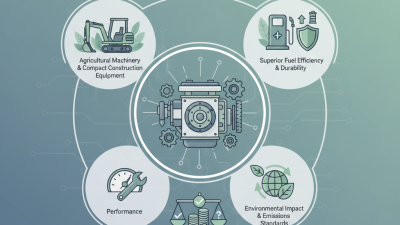
In today’s competitive business landscape, choosing the right engine is crucial. A small diesel engine can offer numerous advantages tailored to various business needs. These engines are known for their fuel efficiency and reliability. They provide the power needed without excessive consumption.
Many companies are shifting towards small diesel engines due to their performance. It’s not simply about raw power. A small diesel engine often delivers impressive torque, which is essential for heavy-duty tasks. This attribute can enhance productivity and reduce operational costs over time.
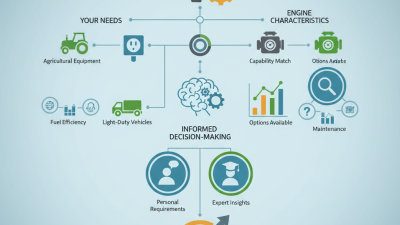
However, some businesses may overlook specific challenges. Small diesel engines may require regular maintenance to operate efficiently. It's essential to weigh both the benefits and drawbacks. Each business should conduct a thorough assessment of its unique requirements before deciding. Finding the right balance is key to making the most informed choice.
Benefits of Small Diesel Engines for Operational Efficiency
In today's competitive market, small diesel engines stand out for enhancing operational efficiency. These engines offer remarkable fuel efficiency, often achieving up to 30% better usage than traditional gasoline engines. A report from the International Energy Agency highlights that diesel engines are generally more efficient at converting fuel into usable power. This efficiency can lead to reduced operational costs, allowing businesses to allocate resources more effectively.
Moreover, the durability of small diesel engines contributes to their appeal. They typically have longer lifespans than other engine types, often enduring for thousands of hours with minimal maintenance. According to the Diesel Technology Forum, this longevity can translate into lower maintenance costs, creating a more reliable investment for businesses. However, some industries may struggle with higher upfront costs, which can deter initial investment. It's essential for companies to weigh these factors carefully.
Small diesel engines also provide substantial torque, which can be crucial for heavy workloads. They deliver power effectively under varying load conditions, making them suitable for many applications, from agriculture to transportation. Companies must consider the balance between upfront investment and long-term benefits. This requires thoughtful analysis of specific operational needs and future growth potential. The decision to adopt small diesel engines should reflect a comprehensive understanding of both opportunities and challenges.
Cost-Effectiveness of Small Diesel Engines for Business Applications
Small diesel engines offer a compelling financial advantage for many businesses. They typically have lower fuel consumption compared to petrol engines. This results in reduced operating costs, which is vital for companies keeping a close eye on budgets. A small diesel engine can significantly enhance fuel economy while delivering efficient performance for daily operations.
Maintenance costs for small diesel engines tend to be lower as well. These engines are built for durability and longevity. This means fewer breakdowns and repairs, leading to less downtime. However, it is important to ensure regular maintenance is performed to keep these engines in optimal condition. In some cases, maintenance can be overlooked, leading to costly repairs later on.
Moreover, small diesel engines emit less CO2 compared to larger engines. This makes them a more environmentally friendly choice. While some businesses may focus only on upfront costs, the long-term savings can be significant. Choosing the right engine requires careful consideration. Each business has unique needs that must be addressed adequately. Opt for an engine that aligns with your operational demands to maximize benefits.
Environmental Considerations and Emissions Regulations
When considering a small diesel engine for business, emissions regulations play a crucial role. Many regions enforce strict rules to limit pollutants. Small diesel engines often produce fewer emissions compared to larger counterparts. This makes them an environmentally friendly choice for businesses looking to comply with regulations.
The advantages of small diesel engines include better fuel efficiency and lower carbon footprints. They consume less fuel, which reduces greenhouse gas emissions. However, it’s essential to note that challenges remain. Alternative technologies, such as electric engines, are gaining popularity. Some businesses might feel pressured to adopt these newer options. Yet, small diesel engines still offer reliability and a proven track record.
Navigating the complexities of emissions standards can be daunting. Compliance requires attention to detail and awareness of local laws. While small diesel engines hold many benefits, businesses must remain vigilant. Regular maintenance and monitoring emissions can help in staying compliant. It’s a continuous journey of improvement and adjustment.
Maintenance and Longevity of Small Diesel Engines
Small diesel engines have gained traction in various industries, largely due to their reliability and efficiency. The maintenance needs and lifespan of these engines are critical considerations for businesses. According to a report by the Diesel Technology Forum, a well-maintained diesel engine can last approximately 10,000 to 15,000 hours of operational time. In contrast, gasoline engines typically operate for about 3,000 to 5,000 hours. This longevity makes small diesel engines a cost-effective choice for businesses aiming for durability.
Regular maintenance is essential for ensuring peak performance. Simple practices like changing the oil, replacing filters, and inspecting components can drastically extend engine life. Data from the American Society of Mechanical Engineers indicates that regular maintenance can improve engine efficiency by up to 30%, which directly translates to lower operational costs. However, not all businesses prioritize maintenance, which can lead to unexpected breakdowns and hefty repair expenses.
To maximize the lifespan of your small diesel engine, consider implementing a routine maintenance schedule. Inspect the fuel system periodically to prevent issues related to contamination. Additionally, pay attention to the cooling system, as overheating can severely damage engine components. Investing in proper training for your staff can also enhance operational efficiency, ensuring that engines remain in optimal condition for years to come.
Maintenance and Longevity of Small Diesel Engines
Versatility and Adaptability in Various Business Industries
In today's diverse business landscape, small diesel engines offer remarkable versatility and adaptability across various industries. Their compact size and efficient power output allow businesses, from construction to agriculture, to leverage these engines effectively. According to the Diesel Technology Forum, diesel engines are 30% more fuel-efficient than their gasoline counterparts. This efficiency not only reduces operational costs but also minimizes environmental impact, a crucial consideration for modern enterprises.
Moreover, small diesel engines can be used in multiple applications. In agriculture, they power equipment like tractors and irrigation systems. In construction, they drive machinery such as generators and compressors. A report from MarketsandMarkets indicates the global diesel engine market could reach $126 billion by 2025, reflecting the continued demand across sectors. This adaptability means businesses can invest in a single diesel engine solution and use it in various ways, maximizing return on investment.
However, it’s important to reflect that selecting the right engine requires careful consideration of specific needs. Factors like engine size, load requirements, and maintenance plans must be taken into account. Not every diesel engine fits every application, and businesses may face challenges in integrating new technologies. It's crucial to assess not only the initial costs but also long-term reliability and support options. Adapting to modern demands while ensuring efficiency and sustainability can be a balancing act for many businesses.