
2026 Top Yanmar Diesel Generator Types for Global Buyers
Choosing a Yanmar diesel generator is not just a matter of comparing headline kilowatts. Global buyers must match the generator type to its workload, operating environment, and service support. A compact air-cooled unit may suit intermittent backup, while a liquid-cooled model can better handle sustained demand. Needs differ. A workshop, farm, construction site, and remote clinic do not share the same load profile.
This guide compares leading Yanmar diesel generator types for 2026, including portable, standby, and industrial configurations. It considers rated output, fuel use, cooling, noise, control panels, and maintenance access. Imagine a unit starting before dawn in a dusty yard, then powering pumps and tools for hours. Details matter: ventilation clearance, starting method, spare-part availability, and the actual running load can change the right choice. Small oversights cost time.
For clarity, the following is an illustrative expert perspective, not a verified quotation from a named Yanmar representative. Field-engineer character Daniel Reeves puts the selection principle this way: “Choose for the hours and load you expect, not the largest number on the nameplate.” It is a useful rule, though no single checklist replaces a site assessment. Buyers should confirm model specifications with current Yanmar documentation and local authorized support. Product ranges and ratings may vary by market. This comparison offers a practical starting point, not a promise that one generator fits every installation.
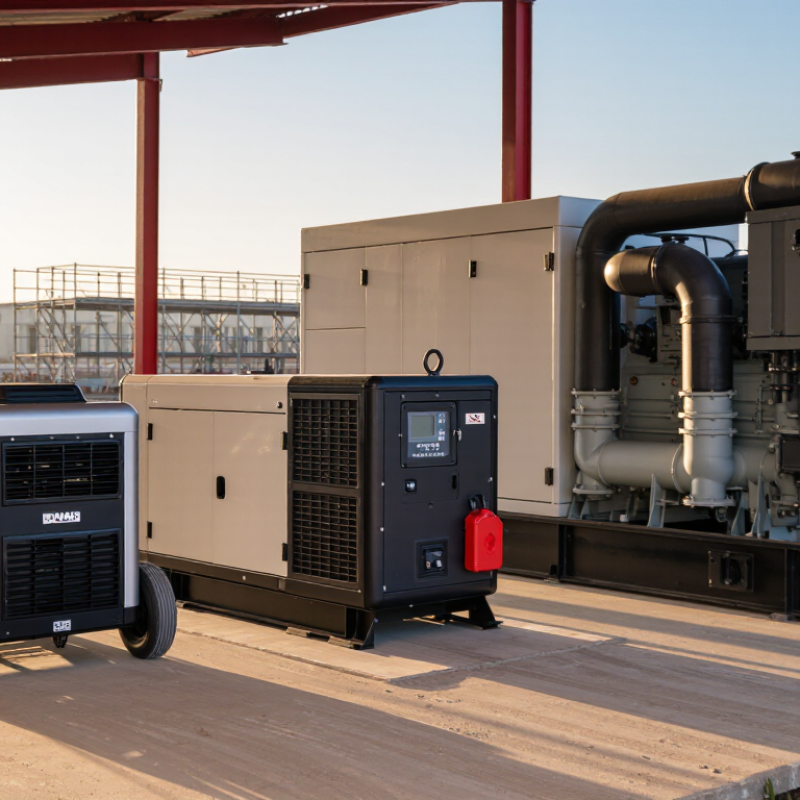
Understanding Yanmar Diesel Generators and Their Core Features
A diesel generator combines a compression-ignition engine, an alternator, cooling equipment, and controls. Together, these components convert fuel into electrical power. Simple in principle. The IEA’s Electricity 2024 report projects global electricity demand will grow by an average of 3.4% annually from 2024 to 2026, increasing attention to reliable backup and off-grid power. Yet a generator’s value depends on the site’s actual load, not headline output.
Core features include rated power, fuel consumption, cooling method, and control functions. Standby ratings suit outages; prime ratings support variable loads over longer periods. An automatic transfer switch can detect a supply failure and start the unit, but installation and testing still matter. The U.S. Energy Information Administration’s Monthly Energy Review puts diesel’s heat content at roughly 137,000 Btu per gallon. That helps with fuel planning, though real consumption changes with load, temperature, and maintenance. Check the nameplate, then compare expected demand with measured operating conditions. Small loads can be inefficient. And published fuel figures may not match a dusty, hot installation; that uncertainty deserves a closer look.
2026 Diesel Generator Types for Global Buyers: Understanding Core Features
| Generator Type | Typical Configuration | Core Features | Common Applications | Buyer Considerations |
|---|---|---|---|---|
| Open-Frame Stationary Set | Engine and alternator mounted on a base frame, usually installed indoors or in a protected plant area. | Accessible components simplify inspection and servicing. The open design provides little protection from weather or sound. | Power rooms, workshops, industrial facilities, and sites with a separate generator building. | Plan for ventilation, exhaust routing, weather protection, and noise control at the installation site. |
| Weatherproof Canopy Set | Stationary generator fitted with a protective enclosure designed for outdoor installation. | The enclosure helps shield equipment from rain and dust. Acoustic treatment may reduce noise, depending on the enclosure design. | Commercial buildings, farms, construction sites, and outdoor utility installations. | Check the enclosure’s environmental rating, service access, cooling airflow, and stated sound level. |
| Containerized Generator Set | Generator equipment installed in a purpose-designed container or modular enclosure. | Can accommodate larger equipment, controls, ventilation, and optional fuel or exhaust systems in an integrated package. | Large industrial sites, infrastructure projects, remote facilities, and temporary power plants. | Confirm transport dimensions and weight, lifting points, site access, foundation requirements, and local installation rules. |
| Trailer-Mounted Mobile Set | Generator mounted on a road-towable trailer or purpose-built mobile platform. | Designed to be relocated between sites; may include a weather enclosure and onboard fuel tank. | Construction, events, emergency response, and temporary maintenance power. | Verify towing regulations, trailer brakes and lighting, fuel capacity, connection requirements, and operating noise limits. |
| Standby Backup Set | Stationary set configured to provide backup electricity when the normal supply is interrupted; often paired with an automatic transfer switch. | Starts and supplies designated loads during an outage. Its permitted operating profile depends on the generator’s rating and manufacturer’s specifications. | Hospitals, commercial buildings, data facilities, farms, and homes requiring backup power. | Size the set for starting currents and essential loads, and confirm transfer-switch compatibility and routine test requirements. |
| Prime-Power Set | Generator selected for regular operation where utility electricity is unavailable, unreliable, or used alongside local generation. | Designed for recurring power production under a defined load profile. The applicable rating and maintenance schedule are model-specific. | Remote industrial operations, islanded sites, temporary power projects, and locations with limited grid access. | Assess average and peak loads, expected operating hours, fuel logistics, service access, and the stated prime rating. |
| Continuous-Power Set | Generator intended to supply a steady load for extended operation under its specified operating conditions. | Selected around a stable demand profile; allowable load changes and overload capability depend on the set’s rating. | Independent power systems and facilities with a consistent, ongoing electricity demand. | Compare the continuous rating with the site’s measured load and confirm fuel, cooling, emissions, and maintenance provisions. |
Configurations and ratings vary by generator design, local electrical standards, and operating conditions. For four-pole alternators, 50 Hz systems commonly operate at 1,500 rpm and 60 Hz systems commonly operate at 1,800 rpm; confirm the required frequency and speed for the specific set.
Related Posts
-
How to Choose the Best Yanmar Generator?
-
Why Choose a Yanmar Generator for Global Power Needs?
-
2026 Best Yanmar Generator Types for Global Buyers
-
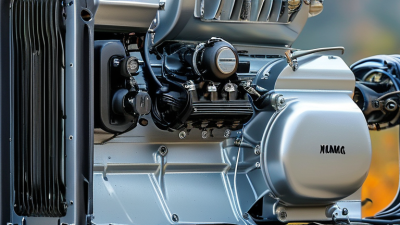
Top 10 Yanmar Diesel Generators for Global Buyers?
-
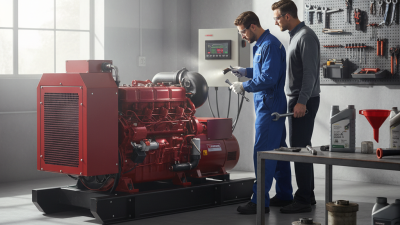
Yanmar Diesel Generator Tips for Efficient Operation and Maintenance?
-
What are the Best Yanmar Generators for 2026?