How to Choose the Best Yanmar Generator?

Choosing the right yanmar generator requires more than comparing horsepower, price, and fuel consumption. A reliable decision begins with the site’s actual electrical behavior. Consider starting currents, continuous loads, standby hours, altitude, temperature, and available service support. A workshop may need strong motor-starting capacity, while a remote farm may prioritize fuel storage and simple maintenance. Small details matter.

The International Energy Agency’s Electricity 2024 report projects continued global electricity-demand growth through 2026. It also highlights rising demand from data centers, cooling, and industrial activity. These trends make dependable backup generation increasingly important. Grand View Research’s 2024 diesel generator market analysis identifies reliability, emergency power, and distributed energy needs as major market drivers. However, market growth does not automatically identify the best machine for your application.

A practical evaluation should compare Yanmar engine ratings, alternator quality, control-panel functions, emissions compliance, noise levels, and warranty coverage. Check whether the published rating is prime, standby, or continuous. The distinction can change the purchase decision. Request load-bank testing records, maintenance intervals, spare-parts availability, and technician credentials from the supplier. ISO 8528 provides useful guidance for generator-set performance and ratings, but real operating conditions still deserve careful review. No checklist is perfect. I have seen specifications look impressive until starting a large pump exposed a weak transient response. Therefore, this guide examines the evidence behind each choice, while acknowledging an uncomfortable truth: the cheapest generator can become the most expensive asset when servicing, fuel use, and downtime are ignored.
How to Choose the Best Yanmar Generator?

Yanmar Generator Types and Their Core Features

Choosing the best industrial generator starts with its operating role, not its advertised output. Common types include standby, prime-power, and mobile generators. Standby units support essential loads during outages. Prime-power models run for extended periods at changing loads. Mobile units suit construction sites, farms, and temporary facilities. The wrong category can cause overheating, unstable voltage, or unnecessary fuel use.

Engine-driven diesel generators remain practical where grid access is weak. A 2024 International Energy Agency report estimates global electricity demand will grow by more than 4% annually through 2026. That pressure makes reliable backup equipment increasingly important. For sensitive tools, look for automatic voltage regulation, low harmonic distortion, and fast load response. For dusty worksites, inspect enclosure protection, cooling airflow, and service access. Small details matter.

Power ratings require careful reading. ISO 8528 distinguishes standby, prime, and continuous performance ratings. A generator rated at 100 kW may not deliver 100 kW continuously. Calculate motor-starting current, welding loads, pumps, and future expansion. Leave practical headroom, perhaps 15% to 20%, rather than operating near the limit. In field checks, fuel access and filter replacement often matter more than impressive specifications. I have seen poor placement defeat a capable machine. That mistake is easy to repeat. EPA and EIA energy data also show why fuel efficiency and emissions performance deserve attention during long operating periods.

How to Choose the Best Generator? Generator Types and Their Core Features

Generator selection depends mainly on required power, mobility, operating environment, and backup duration. Portable units generally serve light, temporary loads; standby units support buildings during utility outages; mobile units are designed for transport between sites; and industrial units provide high-capacity, continuous-duty power. The ranges shown are typical rated-output ranges and can vary by configuration and application.

How to Calculate Your Required Generator Power

Choosing the right generator begins with a load list, not a catalog. Record each appliance’s running watts, voltage, phase, power factor, and operating hours. Then add starting demand for motors, pumps, compressors, and transformers. They surprise people. The U.S. Department of Energy’s motor-systems guidance explains that motor starting current may reach several times its running current. That brief surge can trip an undersized generator.

Convert amperes to apparent power when necessary: kVA = volts × amps × phase factor ÷ 1,000. For mixed loads, calculate total kW, then divide by the generator power factor, commonly 0.8.

Size for the largest starting event, not merely the total running load. Allow 10–20% spare capacity for future equipment and measurement errors. NFPA 110 also emphasizes dependable emergency-power performance, including load acceptance and voltage recovery.

Do not confuse standby rating with prime rating. Rating labels matter.

Suppose lighting and controls require 8 kW, while a pump runs at 6 kW and starts at 18 kW. Your running load is 14 kW, but the starting step may require at least 26 kW temporarily. At 0.8 power factor, that equals roughly 32.5 kVA before reserve. The IEA Electricity 2024 report projects strong electricity-demand growth through 2026, supporting realistic expansion planning. My own calculation can still miss hidden loads. Check nameplates twice. Then test under load.

Which Fuel, Phase, and Voltage Configuration Fits Your Needs?

Choosing a generator starts with the load, not the engine size. During site assessments, I check fuel access, starting current, and daily runtime. Diesel suits remote sites and long outages because it stores easily and delivers strong sustained output. The U.S. Energy Information Administration reports diesel contains roughly 137,000 British thermal units per gallon. Natural gas can reduce onsite storage needs, but pipeline pressure may fail during emergencies. Propane stores well in tanks, although cold conditions can affect vaporization.

Phase and voltage must match the equipment exactly. Single-phase systems commonly serve homes, shops, and small pumps. Three-phase systems fit commercial motors, refrigeration, and larger construction equipment. A 208/120-volt system differs from a 480/277-volt system. Connecting the wrong voltage can damage sensitive controls quickly. The U.S. Department of Energy notes that motor starting can create several times the normal running current. That detail is easy to overlook. Frequency matters too: many regions use 50 or 60 hertz, and the wrong setting can cause overheating or unstable operation.

Tips: List every load, its voltage, phase, and starting current. Ask an electrician to verify the panel configuration. I once saw a correctly sized generator fail because the phase arrangement was wrong. Fuel calculations also need real-world allowances for cold weather, maintenance, and partial loading. Industry guidance from the International Energy Agency supports efficiency planning, but field conditions remain less predictable than spreadsheets.

Key Factors for Comparing Yanmar Generator Models

When comparing generator models, begin with the worksite, not the advertised maximum output. A small workshop may need 20 kW continuously, yet demand 35 kW during motor starts. Check both prime and standby ratings. This distinction prevents costly oversizing. I measure starting current with a clamp meter whenever possible. Brochure figures can hide real operating conditions. Leave practical headroom, but avoid capacity that idles all day.

Compare fuel consumption at 25%, 50%, 75%, and full load. A model with excellent full-load efficiency may waste fuel during light operation. Check performance at your actual altitude and temperature. Cooling design matters in dusty or hot environments. Maintenance access matters, too. Can a technician reach the filters without removing panels? Count service intervals, filter costs, and oil capacity. A cheaper purchase can become expensive after several years.

Controls deserve close attention. Look for clear alarms, automatic shutdown protection, and readable load information. Noise levels should be checked near the operator area, not only in laboratory conditions. I once overlooked enclosure access and lost hours during routine servicing. That mistake changed my comparison checklist. Review the technical manual, warranty terms, and local service capability before choosing. Keep written fuel and maintenance records after installation. Real operating data may challenge the original selection.

How to Choose the Best Yanmar Generator? - Key Factors for Comparing Yanmar Generator Models

Use the following model-neutral comparison framework to evaluate diesel generators. Actual specifications vary by configuration, application, operating conditions, and local regulations.

Comparison Factor Typical Options or Data Range Why It Matters Recommended Selection Approach
Rated Output Prime power and standby power, measured in kW or kVA Determines whether the generator can safely supply the connected load. Add running loads, identify the largest starting load, and allow approximately 15–25% spare capacity where practical.
Prime or Standby Duty Prime power for variable or continuous use; standby power for emergency backup Duty ratings define how long and how often the set may operate. Choose a prime-rated configuration for regular operation and a standby-rated configuration for occasional utility outages.
Load Type Resistive, motor-driven, inductive, electronic, or mixed loads Motors, pumps, compressors, and transformers can require substantially more starting current than their running current. Check motor starting requirements and select a generator with suitable transient response and alternator capacity.
Voltage and Phase Single-phase or three-phase; common low-voltage systems include 120/240 V and 230/400 V The output must match the electrical distribution system and connected equipment. Confirm voltage, phase, wiring configuration, and allowable voltage tolerance with a qualified electrician.
Frequency and Engine Speed 50 Hz or 60 Hz; many conventional sets use approximately 1,500 or 1,800 rpm respectively Frequency affects motor speed, equipment compatibility, and power quality. Select the frequency required by the site and verify that the engine, alternator, and control system are configured accordingly.
Fuel Type Diesel fuel; fuel consumption varies with output, engine size, and load factor Fuel availability, storage requirements, operating cost, and shelf life affect total ownership cost. Compare fuel consumption at 25%, 50%, 75%, and 100% load instead of relying only on the maximum-load figure.
Fuel Tank and Runtime Runtime depends on tank capacity and average operating load; commonly specified in hours at a stated load Longer runtime reduces refueling frequency and improves resilience during extended outages. Compare calculated runtime at the expected average load, not only at full load.
Cooling System Liquid-cooled or air-cooled Cooling design affects continuous-duty capability, installation space, noise, and maintenance. Prefer liquid cooling for higher outputs or extended operation; consider air cooling for compact, lighter-duty installations.
Installation Type Open-frame, weather-protective enclosure, or sound-attenuated enclosure The enclosure affects weather protection, sound levels, ventilation, access, and space requirements. Use an enclosed configuration outdoors and confirm clearance, airflow, exhaust routing, and service access.
Noise Level Usually stated in dB(A) at a specified distance, commonly 7 m Noise limits may apply near homes, offices, hospitals, schools, and public areas. Compare measurements taken at the same distance and operating load; do not compare unspecified dB figures.
Emissions Compliance Requirements depend on engine power, installation location, fuel, and applicable regional standards Non-compliant equipment may not be legally installable or operable in the intended market. Verify current local emissions certifications before purchase, especially for permanent installations.
Automatic Transfer Capability Manual start, remote start, or automatic start with an automatic transfer switch Automatic transfer is important for unattended emergency backup applications. Confirm compatibility among the generator controller, transfer switch, utility supply, and building distribution system.
Control and Monitoring Digital display, alarms, protective shutdowns, remote monitoring, and event logging Better monitoring helps identify overloads, low oil pressure, high coolant temperature, and battery faults. Prioritize alarms, communications, and monitoring features that match the site’s maintenance and response procedures.
Maintenance Requirements Routine checks commonly include engine oil, filters, coolant, belts, batteries, fuel system, and exhaust components Maintenance frequency and service access directly affect availability and operating cost. Compare service intervals, replacement-part availability, technician support, and ease of access to maintenance points.
Ambient Conditions Temperature, altitude, humidity, dust, salt exposure, and enclosure conditions High altitude and high temperature can reduce available engine power and cooling performance. Request derating data for the actual site elevation and maximum ambient temperature.
Portability and Footprint Portable, skid-mounted, trailer-mounted, or fixed installation Weight, dimensions, lifting points, and access routes determine installation feasibility. Measure the installation area and verify foundation, lifting, transport, and ventilation requirements before ordering.
Total Cost of Ownership Purchase price, fuel, maintenance, installation, permits, consumables, and eventual replacement The lowest purchase price does not always provide the lowest long-term operating cost. Compare lifecycle cost over the expected service period using realistic annual operating hours and fuel prices.
Important: Always confirm the final generator size, electrical configuration, installation method, protection settings, and local compliance requirements with a qualified power-system professional.

Installation, Maintenance, Safety, and Long-Term Operating Costs

Choosing a diesel generator requires more than comparing rated output. Start with the real load, including pumps, compressors, and motor-starting surges. A unit running near 70–80% capacity usually operates more efficiently. Leave room for future equipment, but avoid buying excessive capacity.

Installation affects safety and long-term costs. Place the generator on a level, vibration-resistant base with clear access for servicing. Exhaust must discharge outdoors, away from windows and air intakes. A qualified electrician should size cables, grounding, transfer equipment, and protective devices according to local regulations. Keep fuel lines protected and install adequate ventilation. Small installation shortcuts can create expensive failures.

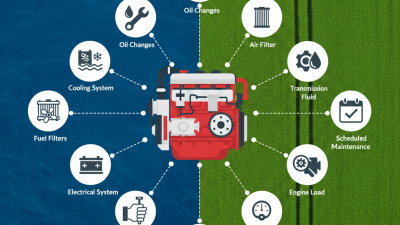
Maintenance should follow the service schedule, not personal assumptions.Check oil, coolant, belts, filters, battery terminals, and leaks at regular intervals. Run a supervised load test periodically, because an unloaded engine may develop wet-stacking problems. Record operating hours and fuel use in a simple log. I have seen neglected batteries stop an otherwise healthy generator during an outage. That mistake is easy to prevent. Long-term costs include fuel, filters, oil, repairs, noise control, and technician visits. A cheaper purchase may become costly when parts are difficult to source or service access is poor. Reconsider the plan if maintenance requires removing panels, lifting heavy components, or interrupting essential operations.

Go to Top