What Is a Marine Generator and How Does It Work?
A marine generator is more than an engine with an alternator attached. It is a compact onboard power plant. It converts fuel energy into electricity for navigation lights, pumps, refrigeration, communications, and hotel loads. When the main propulsion engine stops, this equipment can keep essential systems alive.
Nigel Calder, a respected marine systems author, describes the generator as “the heart of a boat’s electrical system.” That comparison is practical. Picture a steel enclosure vibrating below deck, warm air moving through its vents, and a control panel monitoring voltage, frequency, coolant temperature, and oil pressure. Every reading matters.
The industry is changing quickly. The International Maritime Organization’s Fourth IMO GHG Study 2020 estimated that shipping produced about 2.89% of global anthropogenic greenhouse-gas emissions in 2018. Its 2023 GHG Strategy now pushes owners toward lower-emission fuels and more efficient machinery. DNV’s Maritime Forecast to 2050 also highlights hybrid systems, battery support, shore power, and alternative fuels. These trends are reshaping marine generators, not eliminating them.
Market forecasts from Grand View Research and MarketsandMarkets report continued demand for marine generator sets, especially in commercial vessels, offshore platforms, and workboats. However, market figures differ by definition, geography, and vessel type. That detail is easy to overlook.
A generator can be reliable yet poorly integrated. Wrong sizing causes inefficient loading. Weak ventilation creates heat problems. Poor maintenance invites failure. This guide explains what marine generators are, how they work, and why installation choices matter at sea. Power matters. Reliability matters more.
Marine Generator: Definition, Purpose, and Main Applications
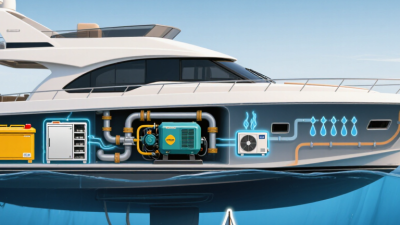
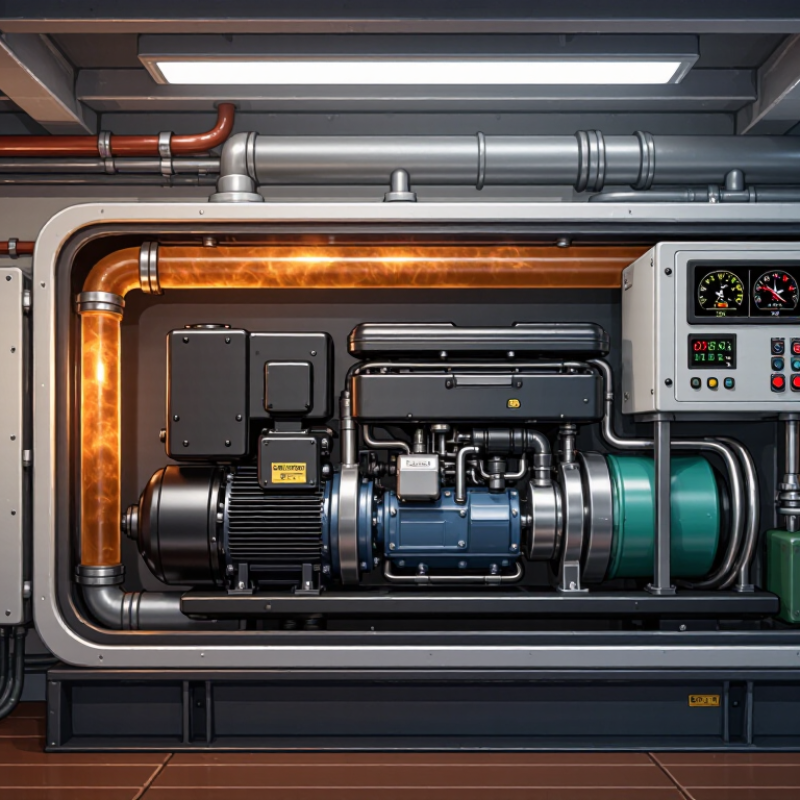
A marine generator is an engine-driven electrical system designed for vessels. It converts fuel energy into usable electricity while the boat is away from shore power. The engine turns an alternator, and electromagnetic induction produces electrical current. A control panel regulates voltage, frequency, starting, and safety shutdowns. Cooling water removes heat, while an exhaust system carries gases outside the hull.
Its main purpose is to support essential and onboard services. Navigation displays, communication equipment, bilge pumps, lighting, refrigeration, and battery chargers may depend on it. Larger vessels can also use generators for air conditioning, water treatment, workshop tools, and cargo systems. The required capacity depends on the vessel’s load, operating schedule, and emergency reserves. Oversizing can waste fuel, while undersizing may cause unstable power and premature wear.
Marine generators are used on fishing boats, workboats, passenger vessels, research ships, and private yachts. In practical inspections, technicians check oil levels, belts, seawater strainers, exhaust joints, and abnormal vibration. Saltwater exposure makes corrosion a constant concern. Ventilation matters too, especially in a compact engine room. A generator may run reliably for years, yet small leaks can become serious failures. Load calculations are useful, but real operating habits sometimes reveal hidden demand. That part is easy to underestimate.
Core Components of a Marine Generator
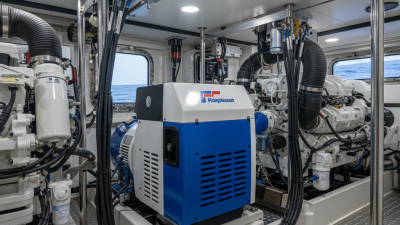
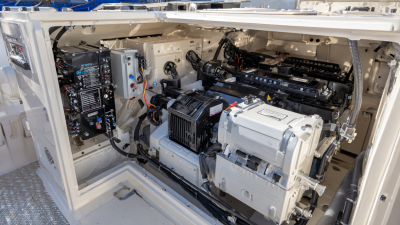
A marine generator converts fuel energy into electrical power for onboard systems. Its core assembly includes an engine, alternator, fuel system, cooling system, exhaust, and control panel. Each part must work reliably in a damp, vibrating environment.
The engine supplies mechanical rotation. The alternator changes that rotation into electricity through electromagnetic induction. A governor adjusts engine speed, helping maintain stable frequency under changing loads. The fuel pump delivers measured fuel, while filters remove water and debris. Small contamination can cause unstable operation.
Cooling deserves close attention. A raw-water pump draws seawater through a strainer and heat exchanger. Fresh coolant circulates inside the engine, while seawater carries heat away. The exhaust system mixes cooling water with exhaust gas, reducing temperature before discharge. An anti-siphon device can prevent unwanted seawater flow after shutdown.
The control panel monitors voltage, frequency, oil pressure, coolant temperature, and engine speed. Automatic shutdown protects the generator when readings become dangerous. The starting battery provides the initial electrical power, and cables must remain tight and corrosion-free. Marine installations often include sound insulation, but excessive insulation can restrict airflow. That trade-off is easy to overlook. During inspection, technicians should check hose clamps, belt tension, filter condition, and unusual vibration. Even a clean engine room can hide a slow seawater leak.
How a Marine Generator Produces Electrical Power
What Is a Marine Generator and How Does It Work?
A marine generator converts fuel energy into electrical power for a vessel’s pumps, navigation systems, lighting, and hotel loads. A diesel engine burns fuel inside cylinders, creating pressure that drives a crankshaft. The crankshaft turns an alternator, where magnetic fields induce alternating current in copper windings. A voltage regulator adjusts excitation to keep output stable when electrical demand changes. The generator then sends power through the main switchboard to separate onboard circuits.
The process is carefully controlled. Fuel injection timing affects combustion, while the governor maintains engine speed and frequency. Cooling water removes heat from the engine block, and lubricating oil protects moving parts. Exhaust systems carry away combustion gases. Sensors monitor temperature, oil pressure, voltage, and frequency. Operators may synchronize several generator sets before connecting them to the same busbar. It is a demanding balance.
According to the International Maritime Organization’s Fourth Greenhouse Gas Study 2020, shipping produced about 2.89% of global human-caused greenhouse gas emissions in 2018. UNCTAD’s Review of Maritime Transport reports that over 80% of global merchandise trade by volume moves by sea. These figures explain why generator efficiency matters beyond one vessel. Lower fuel use can reduce operating costs and emissions. Yet efficiency estimates can mislead when loads change sharply, maintenance declines, or weather increases demand. Real vessels vary. That limitation deserves attention.
Fuel, Cooling, and Exhaust Systems Explained
What Is a Marine Generator and How Does It Work?
Fuel, Cooling, and Exhaust Systems Explained
A marine generator converts fuel energy into electrical power for lights, pumps, navigation equipment, and onboard appliances. Its fuel system includes a tank, supply line, filter, pump, and injector. Clean fuel matters because water or sediment can damage precision components. During a practical inspection, I would check for damp connections, cracked hoses, and unusual filter discoloration. Small leaks can become serious in a vibrating engine space.
Cooling protects the engine from destructive heat. Many marine systems use a closed coolant circuit around the engine, plus seawater flowing through a heat exchanger. A seawater strainer catches debris before it reaches the pump. The outlet should produce a steady flow, not a weak trickle. Temperature alarms deserve attention. They are not decorative. Still, no checklist is perfect, and a blocked passage can develop between inspections.
The exhaust system removes combustion gases and often mixes them with cooling water. This lowers exhaust temperature before the gases leave the vessel. The hose must rise, fall, and drain according to the installation design. Otherwise, water can flow backward into the engine. A siphon break may prevent that risk, but its valve needs regular inspection. Exhaust leaks are especially dangerous because carbon monoxide can be invisible and odorless. I would never judge safety by sound alone; use proper detectors and follow the vessel’s maintenance procedures.
What Is a Marine Generator and How Does It Work?
This chart shows representative diesel fuel consumption for a 100 kW marine generator at different electrical loads. Fuel use generally rises with load, while the cooling system removes heat from the engine and the exhaust system carries combustion gases safely away from the engine room. Actual consumption varies with engine condition, operating temperature, generator size, and load profile.
Safe Operation and Routine Marine Generator Maintenance
What Is a Marine Generator and How Does It Work?
A marine generator converts mechanical energy into electricity for navigation, pumps, refrigeration, lighting, and emergency systems. Its engine drives an alternator, while a control panel regulates voltage and frequency. Safe operation begins before starting. Check oil level, coolant, fuel connections, exhaust routing, and seawater flow. Keep ventilation openings clear.
Small details matter. A blocked seawater strainer can raise engine temperature within minutes. A loose battery terminal can cause difficult starting or dangerous arcing. Never operate a generator in an enclosed space without approved ventilation and exhaust arrangements.
The International Maritime Organization’s Fourth GHG Study estimated shipping produced about 1,056 million tonnes of CO2 in 2018. Efficient generator loading helps reduce unnecessary fuel consumption.
Routine maintenance should follow the engine maker’s schedule and the vessel’s planned-maintenance system. Record operating hours, oil pressure, coolant temperature, voltage, frequency, and unusual vibration.
Inspect belts, hoses, filters, insulation, terminals, and exhaust components. Test alarms and emergency shutdowns under controlled conditions. A qualified technician should handle electrical isolation and load-bank testing.
Do not trust a clean logbook alone. A neglected sound or slight fuel smell may reveal an early fault. DNV’s Maritime Forecast to 2050 identifies energy efficiency as a critical near-term shipping measure.
In practice, crews sometimes postpone simple inspections during busy port calls. That habit deserves honest review. A five-minute check can prevent a blackout, but only when it is actually performed.