
How to Choose the Best Marine Generator?
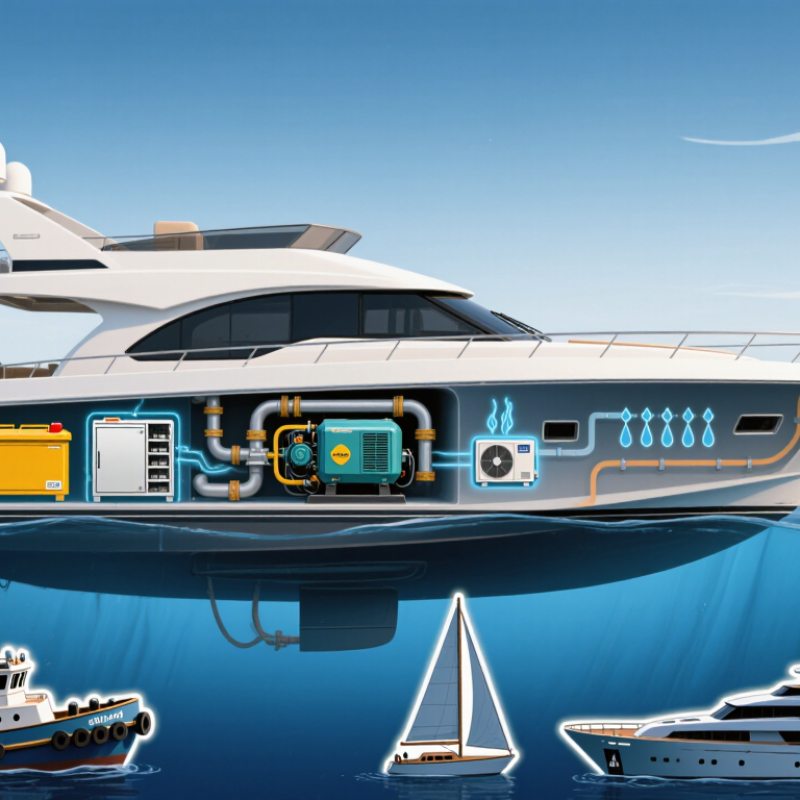
Marine power often disappears at the worst moment: a hot cabin, a dead battery, or a stalled refrigerator. Choosing a generator is therefore more than comparing advertised kilowatts. The right unit must match the vessel, its electrical system, and the way it is actually used. A weekend sailboat has different demands from a liveaboard trawler or charter vessel. Small details matter.
This guide explains how to choose among marine generators by considering continuous output, starting loads, fuel type, installation space, cooling, noise, and service access. It also examines duty cycle and onboard equipment, because an air conditioner or water heater can change the load picture quickly. Check nameplate ratings, not only peak figures, and allow practical capacity for simultaneous use. Consider corrosion protection, vibration, parts availability, and access to routine service. A qualified marine electrician or installer can confirm load calculations, ventilation, exhaust routing, grounding, and safe clearances for your specific boat. Manufacturer documentation should guide maintenance and compatibility decisions.
There is no perfect model. A larger generator may offer reserve, but it can add weight, cost, and unnecessary fuel use when routinely underloaded. A compact model may fit neatly yet struggle with starting surges. Be realistic about your habits, and verify the numbers. Occasional use differs from running multiple systems for hours. The recommendations here provide a decision framework, not a substitute for vessel-specific inspection. With careful planning, marine generators can provide dependable power without turning a quiet anchorage into a noisy engine room.
Assess Your Vessel’s Electrical Power Requirements
How to Choose the Best Marine Generator?
Assess Your Vessel’s Electrical Power Requirements
Start with the equipment you actually use, not the total wattage printed on every appliance. List lights, pumps, refrigeration, navigation electronics, chargers, and cooking equipment. Note each item’s running watts and whether it may operate at the same time as others. A fridge cycling on beside a water pump can change the real demand.
Check startup loads carefully. Motors and compressors may briefly draw much more power than their rated running wattage. Record those surges, then consider which devices must start together. Add the loads you expect to run simultaneously, including battery charging. Leave a sensible margin, but avoid choosing a generator so large that it routinely runs at very low load. That can affect efficiency and service life.
Match the estimate to your vessel’s electrical system. Confirm voltage, frequency, and whether the loads need AC, DC, or both. Think about typical trips, too: a weekend coastal outing may have different demands from extended time at anchor. Keep a simple load sheet and verify uncertain figures with equipment manuals or a qualified marine electrician. Estimates are imperfect. I’d recheck them after adding equipment, because one extra appliance can quietly shift the balance.
Typical Onboard Loads and Example Planning Values
| Electrical Load | Typical Running Power | Typical Starting Power | Example Quantity | Planning Consideration |
|---|---|---|---|---|
| Marine air conditioner, approximately 16,000 BTU/h | 1,600 W | 4,500 W | 1 | Compressor startup can briefly draw substantially more power. A soft-start device may reduce the starting demand; confirm compatibility with the equipment manufacturer. |
| Refrigerator | 150 W | 450 W | 1 | Compressor cycling means the refrigerator may not run continuously, but it should be included in the load plan. |
| Water heater | 1,500 W | 1,500 W | 1 | Typically a resistive load with little additional startup demand. It may be possible to schedule it separately from other large loads. |
| Microwave oven | 1,200 W input | About 1,200 W | 1 | Use the electrical input rating, not the advertised cooking-output rating. |
| Battery charger | 1,000 W | About 1,000 W | 1 | Actual AC input depends on charger output, battery state of charge, and conversion efficiency. |
| Induction cooktop | 1,800 W | About 1,800 W | 1 | Some cooktops have multiple zones; use the maximum combined input if more than one zone may operate at once. |
| Watermaker | 800 W | About 1,000 W | 1 | Motor-driven models may have a brief startup increase. Check the unit’s specified starting current. |
| Lighting and navigation electronics | 300 W | About 300 W | 1 group | Estimate the loads that will be on together, including displays, communications equipment, and lighting. |
Example Simultaneous-Load Calculation
| Load Included in Example | Running Power Counted | Reason for Inclusion |
|---|---|---|
| Air conditioner | 1,600 W | Operating while the vessel is at anchor or dockside. |
| Refrigerator | 150 W | May cycle on while other equipment is running. |
| Water heater | 1,500 W | Assumed to be on during the example operating period. |
| Microwave oven | 1,200 W | Brief galley use while other loads remain on. |
| Battery charger | 1,000 W | Charging during generator operation. |
| Induction cooktop | 1,800 W | One cooking zone operating. |
| Watermaker | 800 W | Operating at the same time as the other listed loads. |
| Lighting and navigation electronics | 300 W | General onboard electrical use. |
| Example simultaneous running load | 8,350 W (8.35 kW) | Sum of the running loads listed above. |
| Illustrative 25% planning allowance | 2,088 W (approximately 2.1 kW) | Provides a preliminary margin; it is not a substitute for checking startup demand, voltage, frequency, or installation derating. |
| Preliminary generator output target | Approximately 10.4 kW | Based on the example running load plus the illustrative allowance. Confirm the generator’s continuous rating, not just its short-term or standby rating. |
Before choosing a generator: Make a list of the loads that may operate simultaneously, verify their actual input ratings, and identify motor or compressor starting requirements. Do not simply add every appliance’s starting figure together: starting events may not occur at the same moment, and generator response depends on the equipment and electrical system. Consider load sequencing, vessel wiring and protection, single-phase or three-phase requirements, voltage and frequency, ambient-temperature or altitude derating, and applicable marine installation rules. Have the final sizing and installation reviewed by a qualified marine electrician.
Values are illustrative typical examples, not equipment specifications. Actual loads can differ considerably, especially for air conditioning, chargers, watermakers, and appliances with variable-speed drives.
Related Posts
-
Why Choose Marine Generators for Your Boat or Yacht?
-
Top 10 Marine Generators Every Buyer Should Consider?
-
Ultimate Guide to Choosing the Perfect Marine Generators for Your Needs
-
How to Choose a Marine Diesel Generator for Global Shipping?
-
Best Kubota Diesel Generators for Reliable Power Solutions?
-

2026 Top Kohler Diesel Engine Innovations and Trends?