Top 10 Marine Generators Every Buyer Should Consider?
When it comes to marine generators, making an informed choice is crucial. These units power critical systems on boats and yachts, ensuring a seamless experience at sea. With various options available, buyers need to navigate the complex landscape of features, prices, and reliability.
Choosing the right marine generator can be overwhelming. Factors such as fuel type, power output, and brand reputation play significant roles in this decision. An effective generator must align with specific needs, ensuring reliable energy in diverse marine environments. Each generator on the market comes with its pros and cons.
Buyers often overlook maintenance needs and operational costs. While some generators boast impressive power, they may require more upkeep than anticipated. Identifying the perfect balance between power, efficiency, and cost-effectiveness is essential. This guide will highlight the top 10 marine generators to simplify your search and provide insights into what makes each model stand out.
Overview of Marine Generators: Importance and Applications
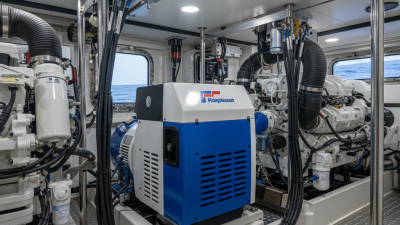
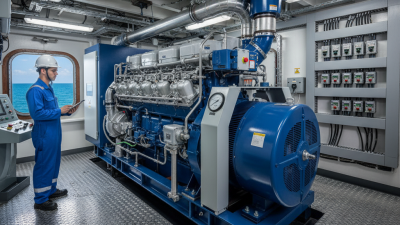
Marine generators play a crucial role in the boating and maritime industry. They provide essential power for navigation, communication, and onboard equipment. According to a recent market analysis, the marine generator market is projected to reach approximately $1.5 billion by 2025, highlighting their increasing importance in various applications such as commercial shipping, leisure boating, and offshore activities.
These generators must meet strict reliability standards. Operators rely on them for safety and efficiency. A study indicates that nearly 70% of marine accidents are linked to electrical failures. This statistic emphasizes the need for high-quality marine generators, capable of delivering uninterrupted power in challenging conditions.
Tips: Always check the fuel efficiency of a generator. An efficient unit can save substantial amounts on operational costs. Regular maintenance also significantly extends the generator's lifespan. Set a schedule for inspections to avoid unexpected failures or costly repairs.
By understanding the importance and functionality of marine generators, buyers can make informed decisions. Selecting the right generator means evaluating power output, fuel type, and maintenance requirements. Don't overlook these factors; they can affect your operations significantly. Always opt for reliable models with proven performance.
Key Factors to Consider When Choosing a Marine Generator
When choosing a marine generator, several key factors must be considered. The generator’s power output is crucial. This determines how many devices your boat can run. Assess your power needs carefully. This often requires adding up the wattage of all appliances and systems. It might be helpful to create a list. Also, think about the type of fuel the generator uses. Diesel generators tend to be more efficient, while gasoline options may have different maintenance needs.
Portability can matter too. If you plan to move the generator often, consider lighter models. Weight becomes an issue on smaller vessels. Noise level is another significant aspect; some generators can be surprisingly loud. Review decibel ratings before deciding. Reliability is non-negotiable. Investigate customer reviews or consult mariners to gain insights. Installation might pose challenges as well. Getting a professional involved can prevent headaches later. Reflect on how often you'll need to use it; this can impact your choice. Each aspect requires thoughtful analysis before making a purchase.
Top 10 Marine Generators with Features and Specifications
When choosing marine generators, specifications and features are crucial. A reliable generator needs to provide sufficient power and operate quietly. Many options come with fuel-efficient technologies, which can save you money in the long run. Pay attention to the generator’s starting mechanism—electric starts are simpler but might add weight.
Consider size and weight, especially if space is limited on your vessel. Some generators are compact yet powerful, ensuring that you have the energy required without compromising space. Portability is often important for maintenance. Look for units that offer user-friendly access to key parts for ease of service.
Think about noise levels, especially if you enjoy peaceful voyages. Some generators boast advanced soundproofing materials. Durability and marine-grade construction are essential. Not all generators are built to withstand harsh sea conditions. Investing in a high-quality generator ensures reliability, even in challenging environments.
Comparative Analysis of Leading Marine Generators in the Market
When evaluating marine generators, a comparative analysis is essential. Start with the power output. Some generators offer a higher wattage rating. This is crucial for larger vessels with more equipment. Smaller boats may require less power, affecting overall efficiency.
Consider the fuel type too. Diesel generators are common, but some buyers prefer gasoline options. Each fuel type impacts both performance and maintenance needs. A thorough assessment of fuel consumption rates can aid in long-term cost calculations. Look at sound levels as well. Quieter models can enhance your boating experience, benefiting those seeking peace on the water.
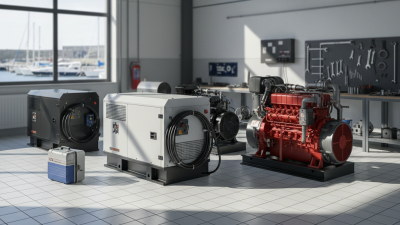
Portability is another aspect to reflect on. Some models are compact and lightweight, while others are bulkier. Assess the available space in your boat. User reviews often highlight real-world performance. Pay attention to customer feedback. It can reveal issues not mentioned in specifications. Remember that every choice involves trade-offs. Balancing power needs, efficiency, and noise levels is vital. Each generator has strengths and weaknesses that could influence your decision. Stay informed and choose wisely.
Maintenance Tips for Ensuring Longevity of Marine Generators
Maintaining a marine generator is essential for its longevity and performance. Regular inspections are crucial. Check for any signs of wear and tear. Pay attention to the oil levels; keeping oil clean and at proper levels helps lubricate the engine. Dirty oil can cause significant damage over time.
Additionally, ensure the cooling system is functioning well. Clear any debris from the cooling water intake. Monitor the temperature closely. High temperatures can lead to overheating, which shortens the generator's lifespan. It may seem simple, but these small tasks can prevent costly repairs down the line.
Battery maintenance is another key area to focus on. Corrosion on terminals can impede performance. Cleaning and securing connections every few months can make a difference. However, some boat owners often overlook these details, leading to unexpected issues. Regularly testing batteries and replacing them when necessary is essential for reliable operation. These straightforward steps can extend the life of a marine generator and ensure your adventures at sea are uninterrupted.
Top 10 Marine Generators Every Buyer Should Consider
| Generator Model |
Power Output (kW) |
Fuel Type |
Weight (kg) |
Maintenance Frequency |
Expected Lifespan (Years) |
| Model A |
5 |
Diesel |
150 |
Every 200 hours |
10 |
| Model B |
7 |
Gasoline |
120 |
Every 150 hours |
8 |
| Model C |
10 |
Diesel |
200 |
Every 250 hours |
15 |
| Model D |
8 |
Gasoline |
140 |
Every 180 hours |
9 |
| Model E |
12 |
Diesel |
250 |
Every 300 hours |
20 |
| Model F |
6 |
Gasoline |
130 |
Every 160 hours |
7 |
| Model G |
9 |
Diesel |
180 |
Every 240 hours |
12 |
| Model H |
11 |
Gasoline |
160 |
Every 220 hours |
14 |
| Model I |
13 |
Diesel |
300 |
Every 350 hours |
25 |
| Model J |
4 |
Gasoline |
110 |
Every 100 hours |
5 |