China Top Perkins Diesel Engine Suppliers for Global Buyers

Choosing a reliable China-based supplier for a Perkins diesel engine takes more than comparing prices. Buyers need clear specifications, traceable product information, and support that continues after delivery. A supplier should explain engine models, rated power, operating conditions, and compatibility with the intended equipment. Small details matter. A mismatch in mounting points or cooling requirements can delay installation and increase costs.

This guide explores how global buyers can assess suppliers offering perkins diesel engines, from initial inquiries to shipment planning. It considers product documentation, inspection options, parts availability, warranty terms, and communication across time zones. Ask for model-specific records and written answers rather than relying on broad promises. Where possible, compare quotations against the same technical requirements. That makes differences easier to spot.

Supplier claims deserve careful review. Photos and polished catalogs can help, but they do not replace verifiable details or a useful conversation with the sales and technical teams. Some buyers may also need to confirm local service access before placing an order. Not every supplier will fit every project, and a lower price may not tell the whole story. The evaluation can feel repetitive. Still, that extra checking may prevent costly surprises and support a more confident purchasing decision.
China Top Perkins Diesel Engine Suppliers for Global Buyers

What Perkins Diesel Engines Are and Where They Are Used

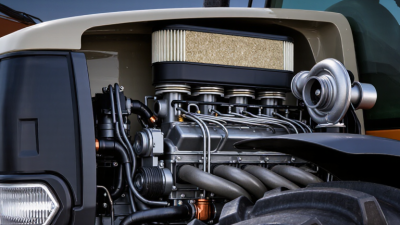
A diesel engine converts fuel energy into rotating power through compression ignition. Air is compressed inside each cylinder until it becomes hot enough to ignite injected fuel. The resulting force moves pistons, which turn a crankshaft. Many industrial engines also use turbocharging and liquid cooling, though configurations vary by power rating and duty cycle.

That matters.

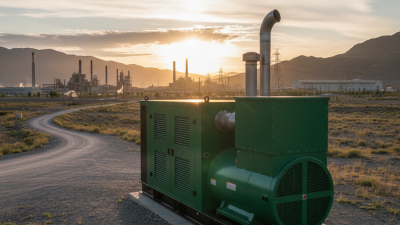
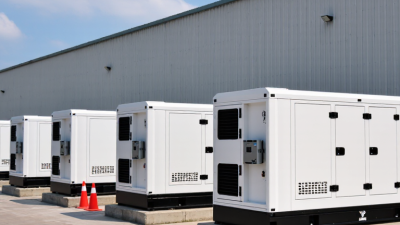
These engines appear in farm tractors, generators, construction machinery, pumps, and some commercial vehicles. A generator may run steadily for hours, while an excavator faces frequent changes in load and speed. Those conditions affect cooling, fuel use, and maintenance needs.

Buyers should match engine output to the equipment’s real working load, not just its peak rating. Check the operating manual, service history, and access to routine parts before installation. A clean engine bay helps, but it does not prove the engine has been cared for.

A neat specification sheet can make selection seem simple.

It isn’t always.

Real operating conditions deserve a closer look.

How China’s Perkins Engine Supply Network Is Organized

China’s diesel-engine supply network is layered rather than controlled by one export channel. Engine makers sit upstream, supported by component factories producing fuel-system parts, filters, gaskets, and cooling assemblies. Export agents and trading firms then connect these factories with overseas distributors, equipment builders, and repair businesses. Some suppliers ship complete engines; others focus on parts or remanufactured units. Buyers should confirm the seller’s role, production source, serial-number records, and test documentation before placing an order. A crate label is not proof of factory origin.

The World Bank’s 2023 Logistics Performance Index ranked China 19th among 139 economies, offering useful context for its freight and customs network. UNIDO’s Competitive Industrial Performance report also placed China among the leading manufacturing economies. These figures describe broad industrial capacity, not the reliability of any individual engine supplier. That distinction matters. In practice, sourcing often involves matching engine specifications, emissions configuration, and spare-parts availability across different firms. Ask for a parts list and a written warranty scope. Check lead times for common wear items, not only the engine itself. The network is extensive, but supplier records and after-sales support can still vary. That part deserves scrutiny.

How to Verify a Chinese Perkins Diesel Engine Supplier

Verifying a Chinese diesel-engine supplier starts with evidence, not a polished catalogue. Ask whether the company manufactures engines or trades them, then match its registered business details to the quotation and invoice. Request a live factory walkthrough showing the assembly line, test bench, and engine identification plate. Check that serial numbers on sample documents match the unit offered. ISO’s 2023 Survey reported more than 1.2 million valid ISO 9001 certificates worldwide. A certificate helps assess quality-management systems, but it does not prove a specific engine’s performance or authenticity.

Compare technical specifications line by line: rated power, speed, fuel consumption, cooling method, and test conditions. Ask for recent load-test records and confirm who performed the tests. Have an independent inspector examine a pre-shipment unit when the order is large. Supplier references matter, but contact buyers directly and ask about delivery consistency and after-sales response. A neat brochure can still leave gaps. No checklist is perfect.

Tips: Request a short video showing the engine running under load, with its nameplate and serial number visible in the same shot. Verify certificates with the issuing body, and make sure the certified scope covers the actual factory or activity. Keep written records of agreed specifications, inspection criteria, spare parts, and warranty terms. Check small details; they often reveal where assumptions have crept in.

China Top Perkins Diesel Engine Suppliers for Global Buyers - How to Verify a Chinese Perkins Diesel Engine Supplier

Verification Dimension What to Request How to Verify Recommended Acceptance Check Potential Warning Sign
Business identity Current business licence and the supplier’s registered legal name and address. Check the registration details against the relevant official company-registration database, where available. Names and addresses should be consistent across the licence, contract, invoice, and bank beneficiary details. Different legal entities appear on key documents without a clear, documented explanation.
Product authorization and sourcing Written evidence of authorization, sourcing channel, or supply relationship relevant to the exact products offered. Confirm the evidence with the issuing party using contact details obtained independently. Verify the document’s issuer, validity period, product scope, and whether it covers the proposed transaction. Only an unverified certificate image or a verbal assurance is provided.
Engine identity and traceability Clear photos of the engine identification plate, model details, and serial number for the units being quoted. Compare the details with the quotation, packing list, inspection record, and any available product documentation. All identifiers should match across the documents for each inspected unit. Serial numbers are missing, obscured, inconsistent, or withheld until after payment.
Technical configuration Written specification covering model, rated output, speed, cooling arrangement, dimensions, accessories, and supplied condition. Compare the specification with the buyer’s application and obtain written confirmation of any configuration differences. Every material requirement should be stated in the order documents rather than left to verbal agreement. The offer uses a broad model description but does not define the actual configuration.
Condition and history Written declaration stating whether each unit is new, used, rebuilt, or reconditioned, plus available service or test records. Use a pre-shipment inspection to check physical condition, identification details, and the declared status. The stated condition should match the contract, inspection findings, and shipping documents. Condition is described inconsistently or the seller declines reasonable inspection.
Quality inspection Inspection plan and test records appropriate to the engine type and agreed scope of supply. Arrange an independent inspection before shipment when the order value or risk warrants it. Agree inspection scope, acceptance criteria, and responsibility for inspection costs in writing before production or dispatch. Test records cannot be linked to the specific units being shipped.
Export and destination compliance Proposed commercial invoice, packing list, shipping details, and any product or emissions documents required for the destination. Confirm requirements with the destination-country customs authority, importer, or qualified customs broker. Check that the product description, quantity, origin information, and supporting documents are consistent and suitable for the destination. The supplier guarantees import approval without confirming the destination-specific requirements.
Warranty and after-sales support Written warranty terms, coverage period, exclusions, claim process, and responsibility for parts and freight. Review the terms in the contract and confirm how claims will be handled across borders. Warranty start date, required evidence, response process, and remedy should be clearly defined. Warranty promises are verbal or omit practical claim procedures and costs.
Payment and contract controls Signed sales contract specifying product identity, condition, quantity, price, delivery terms, inspection, and remedies. Verify the beneficiary name independently and ensure it matches the contracted seller or is explained in signed documents. Use a payment schedule tied to documented milestones and agreed verification steps. Urgent requests for payment to an unrelated account or last-minute changes to beneficiary details.
Shipping and packaging Packaging plan, shipment dimensions and weight, and draft shipping documents before dispatch. Compare the final packing list with the inspected units and confirm the agreed delivery term and named place. Product count, identification details, package count, and shipment data should agree across the documents. Shipping terms or document details remain unclear until after payment or dispatch.
Communication and record keeping A designated business contact and written responses to technical, commercial, and compliance questions. Keep quotations, approvals, inspection reports, and contract changes in a dated written record. Important commitments should be confirmed in the contract or an authorized written amendment. Material promises are made only through informal messages and are not confirmed in order documents.

How to Compare Product Range, Quality, and Certifications

A useful comparison starts with the engine range, not a broad claim that a supplier can meet every need. Check rated power, speed, cooling method, and intended duty cycle against your machine’s actual operating conditions. Ask for specification sheets covering each offered configuration. Similar-looking engines may differ in mounting points, fuel consumption, or service access. Small mismatches become expensive later.

Quality is easier to assess when a supplier can show consistent records. Request sample inspection reports, production traceability details, and test results for the specific engine configuration. Look closely. A general quality certificate does not prove that every model receives the same checks. Ask how critical parts are inspected and how defects are handled. A polished brochure is useful, but it is not evidence by itself.

Certifications should match the product, manufacturing site, and destination market. Confirm the certificate’s scope, issuing body, and current validity, then compare these details with the engine documents. That matters. Also ask whether replacement parts and technical support are available for the full product range. A supplier may have strong paperwork yet limited follow-up support; this part is easy to overlook when comparing quotations. The lowest price can look convincing on paper, though the real comparison depends on fit, documented quality, and dependable service.

How to Assess Pricing, Delivery, and After-Sales Support

China Top Perkins Diesel Engine Suppliers for Global Buyers

A competitive quotation is not the same as a low total cost. Compare engine configuration, included parts, packaging, payment terms, and warranty coverage line by line. Ask whether the quoted price includes export packing and commissioning guidance. Small omissions can become expensive after the engine reaches the jobsite. I would also request a written parts list; vague descriptions make supplier quotes difficult to compare fairly.

Delivery deserves equal scrutiny. UNCTAD’s Review of Maritime Transport 2024 reports that shipping carries over 80% of world merchandise trade by volume, so port congestion and routing changes can affect arrival plans. Request a production schedule, dispatch date, and estimated transit window separately. The World Bank’s 2023 Logistics Performance Index assesses factors including logistics competence and timeliness, useful checks when evaluating a supplier’s shipping claims. Ask for recent shipment references, not just a promised lead time. Dates can slip.

After-sales support is easiest to judge before purchase. Confirm local technician availability, response hours, diagnostic support, and the process for identifying replacement parts. Ask which common service items are stocked and how quickly they can be dispatched. A detailed manual helps, but it cannot replace practical support when a machine is down. One uncomfortable question matters: who pays for troubleshooting when the cause is unclear? Get the answer in writing. A supplier’s response may reveal more than its brochure.

China Perkins Diesel Engine Suppliers: Buyer Evaluation Priorities

Suggested allocation of a 100-point supplier evaluation score. These are recommended assessment weights, not market-survey results.

How to use: Compare written quotations and documented service commitments across suppliers. Assess total cost alongside delivery, parts availability, warranty coverage, and technical documentation rather than choosing on price alone.

Go to Top