Reliable electricity is easy to overlook until a storm, equipment failure, or remote location interrupts the supply. A diesel powered generator provides an independent source of electrical power when the grid is unavailable or cannot meet demand. The need for dependable power is growing in some sectors. The International Energy Agency’s Electricity 2024 report estimates that data centres used about 460 terawatt-hours of electricity worldwide in 2022, and projects consumption could exceed 1,000 terawatt-hours by 2026. That forecast does not measure generator use, but it highlights the importance of planning for continuity.
The machine’s basic process is straightforward. A diesel engine burns fuel inside its cylinders, turning the fuel’s chemical energy into mechanical motion. That motion spins an alternator, which converts rotation into electrical energy. A control system monitors output and helps protect connected equipment from unstable voltage or frequency. In practice, sizing matters: a unit must handle both expected running loads and brief startup surges from motors or pumps. Too small, and it may struggle. Too large, and it can run inefficiently under light loads.
This is the simple picture. Real installations also depend on ventilation, fuel quality, maintenance, noise control, and safe exhaust routing. Those details are sometimes treated as secondary, yet they shape reliability as much as the engine itself. This guide explains the main components, operating sequence, and practical limits of diesel generator systems.
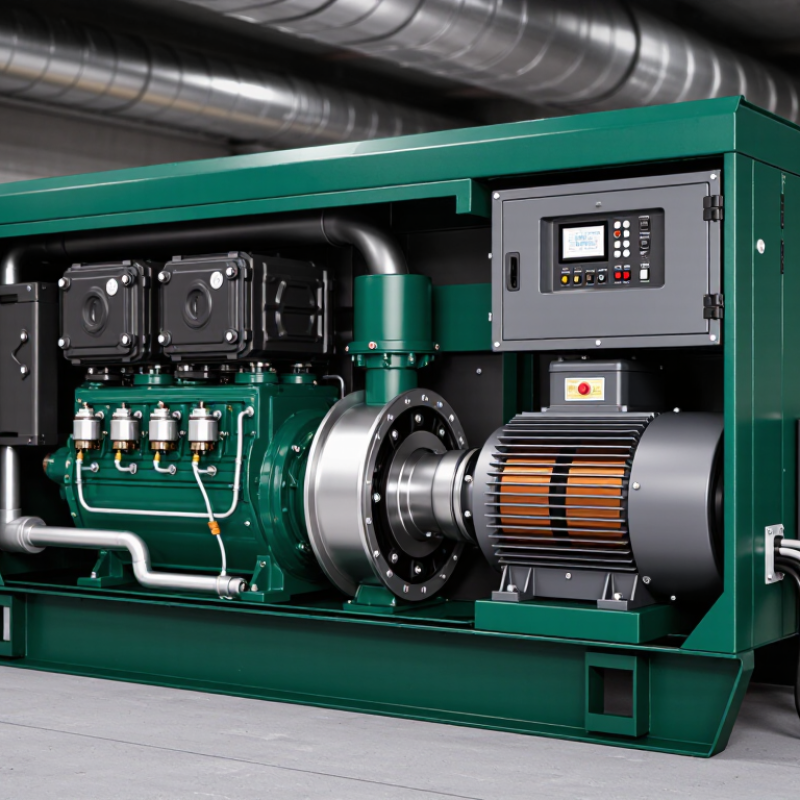
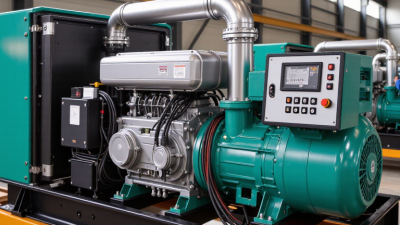
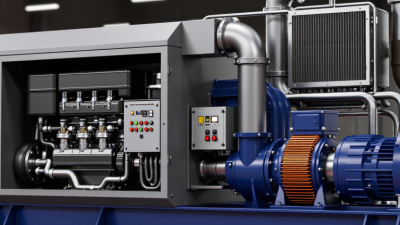
A diesel-powered generator converts fuel energy into electricity. Its core is the diesel engine, which burns fuel and turns a shaft. A coupled alternator uses that rotation to produce electrical current. The set also needs a fuel tank and delivery system, cooling system, lubrication system, air intake, exhaust, and a control panel. A starter battery gets the engine running; sensors help monitor temperature, oil pressure, and voltage. Small parts matter.
The U.S. Environmental Protection Agency’s Catalog of CHP Technologies reports electrical efficiencies of roughly 27–41% for reciprocating engines, measured on a higher-heating-value basis. This is a broad technology benchmark, not a guaranteed figure for every diesel generator. Actual performance depends on engine design, load, maintenance, and operating conditions. The controller regulates output, while the alternator’s voltage regulator helps keep voltage steady as demand changes. A generator running lightly may use fuel less efficiently than one operating near its intended load.
Tips: Check the nameplate rating and maintenance records before selecting a unit. Keep the cooling passages clear, inspect hoses for cracks, and follow the specified oil and filter intervals. Test under a realistic load, not just at idle. Even a well-maintained set can perform differently in heat, dust, or cold; published figures cannot capture every site condition.
A diesel generator uses a diesel engine to turn an alternator, producing electrical power. The chart shows the engine speeds required for synchronous generators at common grid frequencies.
How to read the chart: A synchronous generator’s speed depends on electrical frequency and the number of alternator poles. For example, a four-pole generator runs at 1,500 rpm for 50 Hz or 1,800 rpm for 60 Hz. The diesel engine drives the alternator at the required speed.
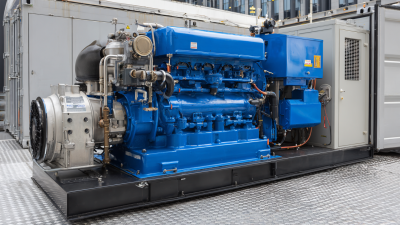
A diesel generator turns chemical energy into electricity through two linked machines. Inside the engine, fuel is injected into compressed, hot air and ignites. Expanding gases push the pistons, turning a crankshaft. The motion then spins an alternator’s rotor inside stationary copper windings. Changing magnetic fields induce an electrical current. No spark plug is needed for ignition.
The conversion is not perfectly efficient. The U.S. Department of Energy’s Reciprocating Engine Combined Heat and Power Technology Fact Sheet reports electrical efficiencies ranging roughly from 25% to 50%, depending on engine size and configuration. That range covers different engine systems, not every portable diesel generator. Much of the fuel’s energy leaves as hot exhaust and engine heat. Some also goes to friction and cooling. The figures are useful context, not a promise for a particular unit.
At the control panel, a voltage regulator adjusts the alternator’s magnetic field to help maintain stable output as loads change. A refrigerator starting, for example, can briefly demand more power than its steady running load. The engine’s governor responds by adjusting fuel delivery and speed. You can hear that as a change in engine note. It is a practical system, but not magic: poor maintenance, overloaded circuits, or unsuitable fuel can affect performance. Even the neat efficiency figures hide real-world variation.
What Is a Diesel Powered Generator and How Does It Work?
A diesel generator converts fuel energy into electrical power through a controlled mechanical cycle. The process begins when a controller detects a power failure. A starter motor turns the crankshaft, while the fuel system injects diesel into the cylinders. The engine draws in clean air and compresses it strongly. This compression raises the air temperature enough to ignite the fuel without spark plugs.
Combustion forces the piston downward. The connecting rod transfers this force to the crankshaft, creating rotation. The crankshaft then drives an alternator. Inside it, a rotating magnetic field produces alternating current. A voltage regulator adjusts output, while sensors monitor temperature, oil pressure, speed, and frequency. The U.S. Department of Energy commonly places diesel generator electrical efficiency near 30–40% at rated load. The rest becomes heat, exhaust, and mechanical loss. The cycle is reliable, but not perfectly efficient. A clogged filter or cold oil can change everything.
Tips: Keep the fuel clean and test the battery monthly. Run the generator under meaningful load, not only at idle. ISO 8528 guidance supports regular performance checks and stable frequency control. Record voltage, frequency, coolant temperature, and oil pressure during each test. Small records reveal large problems early. Never ignore unusual smoke or a delayed start.
A diesel-powered generator converts fuel energy into electrical power through a diesel engine and an alternator. Performance depends on several control systems working together. The engine governor adjusts fuel delivery as the electrical load changes. This keeps rotational speed stable and supports consistent frequency. If the governor reacts too slowly, lights may flicker and motors can struggle during startup.
The automatic voltage regulator controls alternator output voltage. It responds to changing loads and helps protect connected equipment from unstable power. Cooling and lubrication systems are equally important. A radiator removes heat, while engine oil reduces friction around moving parts.
Temperature sensors, oil-pressure switches, and overspeed protection can shut the generator down before serious damage occurs.
Small faults spread.
Fuel quality also affects reliability. Water or sediment in the tank can restrict filters and damage injectors. In practical maintenance, checking hoses, battery terminals, belts, and exhaust paths often reveals problems before a test run does. The main circuit breaker protects the generator from overloads and short circuits, but it cannot correct poor installation or neglected maintenance. An automatic transfer system may start the generator during a power outage, although its settings require careful testing.
A clean control panel does not always mean a healthy machine. Technicians should record voltage, frequency, oil pressure, coolant temperature, and load readings during inspections. Some readings look acceptable alone but become concerning when they drift together.
What Is a Diesel Powered Generator and How Does It Work?
A diesel generator combines a diesel engine with an alternator, converting fuel energy into electricity. It can supply backup power to hospitals, data centers, farms, and construction sites where grid access is weak or outages threaten essential equipment. Reliable in a pinch. Diesel engines often suit sustained, high-load operation, and fuel can be stored onsite for emergencies. However, the right size depends on starting surges, expected runtime, and the loads that truly need power.
The trade-offs matter. The U.S. Environmental Protection Agency’s 2024 Emission Factors for Greenhouse Gas Inventories assigns diesel fuel about 10.2 kilograms of carbon dioxide per U.S. gallon burned. Exhaust also contains pollutants, while engine noise can disturb nearby people. Fuel quality, filters, and batteries need regular checks; neglected units may fail exactly when needed. A generator running lightly for long periods can also operate inefficiently, so load planning matters. Diesel is useful, not automatically the best option.
Tips: List critical devices and their starting wattages before selecting capacity. Test the unit under load, inspect fuel condition, and follow the manufacturer’s service schedule. Keep exhaust directed outdoors, away from doors and air intakes. Record each test, even if it feels repetitive; small gaps in maintenance are easy to miss.
| Dimension | Typical Characteristics | Common Applications or Benefits | Limitations and Practical Notes |
|---|---|---|---|
| What it is | A diesel generator set combines a compression-ignition diesel engine with an electrical generator, commonly called an alternator. | It can supply electricity at a site without grid access or provide backup power during an outage. | Output, fuel use, and suitable operating conditions vary by generator size and model. |
| How it works | The engine burns diesel fuel to produce rotating mechanical power. The alternator converts that rotation into electrical power. | A voltage regulator helps control output voltage, while engine speed determines the electrical frequency in many generator designs. | Correct installation, grounding, ventilation, and electrical protection are essential for safe operation. |
| Electrical output | Capacity is commonly stated in kilowatts (kW) or kilovolt-amperes (kVA). Many generator ratings use a power factor of 0.8, but ratings should be checked on the specific unit. | Units are available for a wide range of loads, from portable equipment to large facilities. | Starting currents, load mix, and the distinction between standby and continuous ratings affect the size needed. |
| Frequency | Alternating-current generators are configured for the electrical frequency used in their intended market, commonly 50 Hz or 60 Hz. | Suitable for compatible lighting, machinery, pumps, and building systems. | Frequency and voltage must match the equipment being powered; a generator is not automatically compatible with every load. |
| Common applications | Used for standby, prime, or temporary power, depending on the generator’s rating and design. | Common settings include construction sites, farms, remote facilities, hospitals, commercial buildings, and data centers. | Local rules may govern installation, emissions, noise, fuel storage, and permitted operating hours. |
| Fuel use and efficiency | Fuel consumption depends on engine design, generator size, load, and operating condition. A unit generally uses more fuel as its electrical load increases. | Diesel engines can provide substantial power from a relatively compact installation and are often selected for demanding or extended-duty applications. | Fuel consumption should be taken from the manufacturer’s load-specific data; a single fuel-use figure does not apply to all units. |
| Operational benefits | Diesel engines use compression ignition and do not require spark plugs to ignite the fuel-air mixture. | Diesel generator sets are widely used where dependable, on-site power and long operating periods are important. | Reliability depends on proper sizing, routine maintenance, adequate fuel quality, and correct operation. |
| Emissions | Diesel exhaust contains carbon dioxide and can include nitrogen oxides, particulate matter, and other pollutants. | Modern engines and exhaust after-treatment systems can reduce certain emissions when properly maintained. | Emissions requirements vary by location and engine category. Exhaust must be routed safely away from people and air intakes. |
| Noise and heat | An operating generator produces engine and exhaust noise and releases heat. | Enclosures, silencers, and careful siting can help manage noise and protect nearby areas. | Sound levels depend on the unit and distance. Adequate airflow is still required to prevent overheating. |
| Maintenance | Typical service tasks include checking engine oil, coolant, filters, batteries, hoses, and the fuel system according to the service schedule. | Scheduled inspections and periodic testing can help identify problems before a generator is needed. | Maintenance requires time and operating costs; neglected batteries, stale or contaminated fuel, and worn components can affect starting and performance. |
| Load management | Generators should be selected and operated within their specified ratings. Prolonged operation at very light load can be unsuitable for some diesel engines. | Matching generator capacity to expected demand can improve operation and avoid unnecessary fuel use. | Follow the manufacturer’s minimum-load guidance and avoid exceeding the rated capacity, especially when motors start. |
| Fuel storage | Diesel fuel can be stored on site in an approved tank subject to applicable safety and environmental requirements. | On-site fuel can support operation when deliveries or grid power are unavailable. | Storage needs spill prevention, inspection, and fuel-quality management; available run time depends on tank capacity and load. |