Top 5 Tips for Using Solenoid Valves in Irrigation Systems?
In the world of irrigation, the role of the solenoid valve cannot be overstated. Industry expert John Thompson, a renowned irrigation engineer, once said, "A well-implemented solenoid valve can save both time and resources." His insight reflects the critical importance of these components in effective irrigation systems.
Solenoid valves in irrigation systems help automate water flow. This can enhance efficiency and reduce waste. However, they are not without challenges. Improper installation or maintenance can lead to system failures. Such issues emphasize the need for careful consideration and planning.
Understanding the nuances of solenoid valves in irrigation is vital for successful operations. Effective usage requires balancing precision and practicality. By grasping the essential tips for incorporating solenoid valves, users can optimize their watering strategy. A few simple adjustments might lead to significant improvements in water management and plant health.
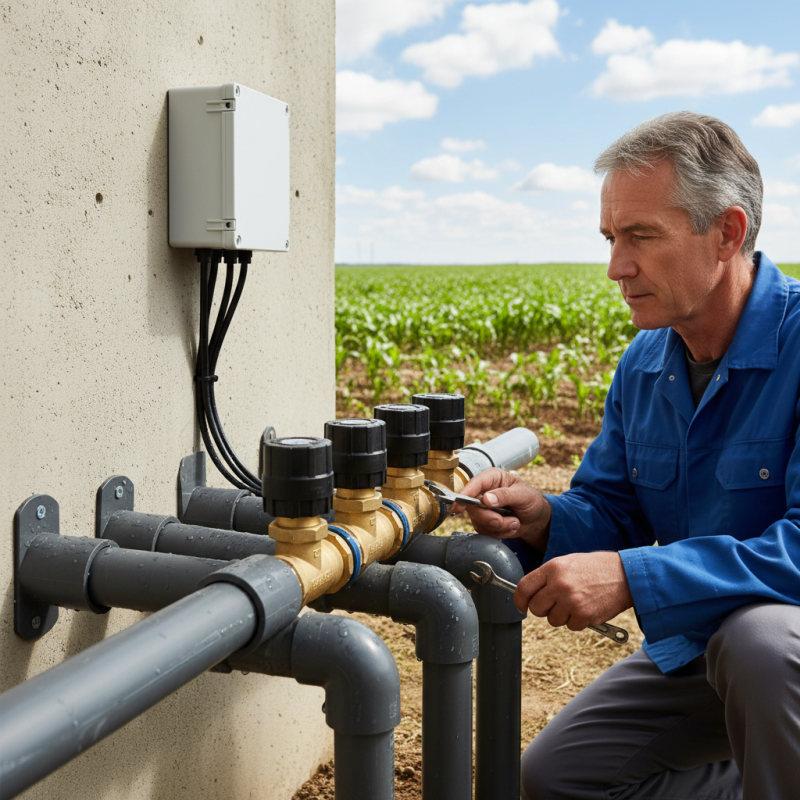
Understanding Solenoid Valves and Their Role in Irrigation Systems
Solenoid valves play a crucial role in irrigation systems. They control water flow automatically, ensuring plants receive the right amount of water. These devices can operate on various voltages, influencing energy use. Studies show that effective irrigation can reduce water waste by up to 30%. This efficiency makes solenoid valves essential.
Proper placement of solenoid valves is vital. They should be positioned close to the water source for optimal function. Regular maintenance is necessary to avoid malfunctions. In a report by the Irrigation Association, it was noted that 20% of systems fail due to improper installation or lack of upkeep.
Monitoring soil moisture levels is another key aspect. Automated systems can adjust water discharge based on real-time needs. However, these systems require correct calibration. An imbalance can lead to over- or under-watering, impacting plant health. When used thoughtfully, solenoid valves can significantly enhance irrigation efficiency.
Selecting the Right Solenoid Valve for Your Irrigation Needs
When selecting the right solenoid valve for your irrigation system, consider the flow rate. It’s crucial to match the valve specifications with your system's requirements. A valve that is too small can restrict flow, leading to inefficient irrigation. Conversely, an oversized valve may waste water. Always measure your system’s needs before making a choice.
Next, look at the valve's pressure range. High-pressure systems require robust valves. If the pressure is too low, the valve may not operate effectively. Additionally, the connection type matters. Different systems use various fittings. Ensure you choose a valve that fits seamlessly with your existing design. It’s essential to think about ease of installation too. Complicated setups can lead to mistakes.
Also, consider environmental factors. Solenoid valves must withstand outdoor conditions. Materials should resist corrosion and UV light. Check the durability before purchasing. Reviews and recommendations help, but hands-on testing can offer insight too. Lastly, it’s worth reflecting on maintenance considerations. Simple maintenance can lengthen the valve's lifespan. Ignoring this can lead to failures over time.
Proper Installation Techniques for Solenoid Valves in Irrigation Systems
Proper installation techniques for solenoid valves in irrigation systems can significantly enhance efficiency. Experts recommend ensuring that solenoid valves are correctly aligned to prevent leaks. Misalignments can create unnecessary pressure drops in the system. According to a recent industry report, poorly installed valves can lead to a 15% reduction in water flow efficiency.
When positioning the valves, soil conditions should be assessed. Installing valves too close to heavy soil can lead to sediment accumulation. Regular maintenance checks are essential, too. Over time, debris may clog valves, causing malfunctions. It's suggested that users clean their systems at least twice a year.
Attention to electrical connections is vital as well. Faulty wiring can lead to erratic operation or complete failure. Installers should use waterproof connectors to mitigate these issues. However, not all irrigation systems are the same; many factors affect installation. It’s essential to adapt techniques based on site-specific variables like climate and crop type.
Maintenance Tips for Optimal Performance of Solenoid Valves
Maintaining solenoid valves in irrigation systems is crucial for their optimal performance. Regular inspections can prevent major malfunctions. A recent study showed that 30% of irrigation system failures stem from valve issues. Keeping an eye on those components can save time and costs.
Tip 1: Check for leaks frequently. Even small leaks can lead to significant water loss. A tiny leak can waste hundreds of gallons of water a month, which is both costly and harmful to your garden.
Tip 2: Clean the valves regularly. Debris can build up, causing blockages. Use a soft brush to clean the surfaces and ensure smooth operation. Sediment build-up can reduce the efficiency of water flow.
Tip 3: Monitor the pressure. A pressure gauge can help assess if the valve is functioning correctly. Improper pressure can lead to valve wear. A well-functioning valve operates best at its recommended pressure.
Without proper care, solenoid valves can fail unexpectedly. Annual maintenance checks are essential, but often overlooked. Dedicating time to these components leads to a healthier irrigation system.
Troubleshooting Common Issues with Solenoid Valves in Irrigation
Solenoid valves are crucial for effective irrigation systems. However, they can face several issues. One common problem is valve sticking. This can occur due to dirt or debris buildup inside the valve. Regular inspections can help prevent this. It's important to flush the system regularly to keep it clean.
Another issue is inconsistent operation. This might be due to electrical problems or faulty connections. Checking the wiring and ensuring that power supply is stable can address this. Sometimes, the solenoid might simply fail due to age. Replacing old solenoids can make a significant difference.
Water leaks can also plague irrigation systems. A leaking valve can waste water and increase bills. Tightening connections may resolve minor leaks. If the leaks persist, replacing the valve is the best course of action. Regular maintenance is essential, but it can be overlooked. Keeping an eye on these common issues can lead to better irrigation performance.
