
Top 10 Types of Screw Air Compressors for Global Buyers?

Choosing a screw air compressor is not simply a matter of comparing horsepower and purchase price. Global buyers must examine air demand, operating climate, voltage, maintenance access, noise limits, and lifecycle cost. A unit working beside a dusty cement line faces different conditions from one serving a clean pharmaceutical room.

As compressed-air specialist Ron Marshall has noted, “The compressor is only one part of the compressed-air system.” That reminder shapes this guide. The following overview examines ten important types, including oil-injected, oil-free, fixed-speed, variable-speed, single-stage, two-stage, electric, diesel-driven, portable, and compact industrial models. Each design offers a different balance of efficiency, pressure stability, cleanliness, mobility, and service complexity.

Real purchasing decisions are rarely perfect. A variable-speed screw air compressor may reduce energy waste during fluctuating demand, yet its controls can require skilled support. Oil-free equipment can protect sensitive production, but it often costs more and demands stricter maintenance. Portable diesel models bring compressed air to remote sites, although fuel use and noise deserve careful attention.

Small details matter. A poorly sized receiver can cause frequent cycling. Hot intake air can reduce output. An undersized dryer can leave water inside downstream piping. This guide therefore compares practical use cases, not only catalog specifications. It also considers installation space, after-sales service, spare-parts availability, and expected workload across different regions. Some recommendations may need revision when local energy prices, weather, or technicians change. That uncertainty is real. Good buying decisions acknowledge it rather than hiding behind a simple ranking.
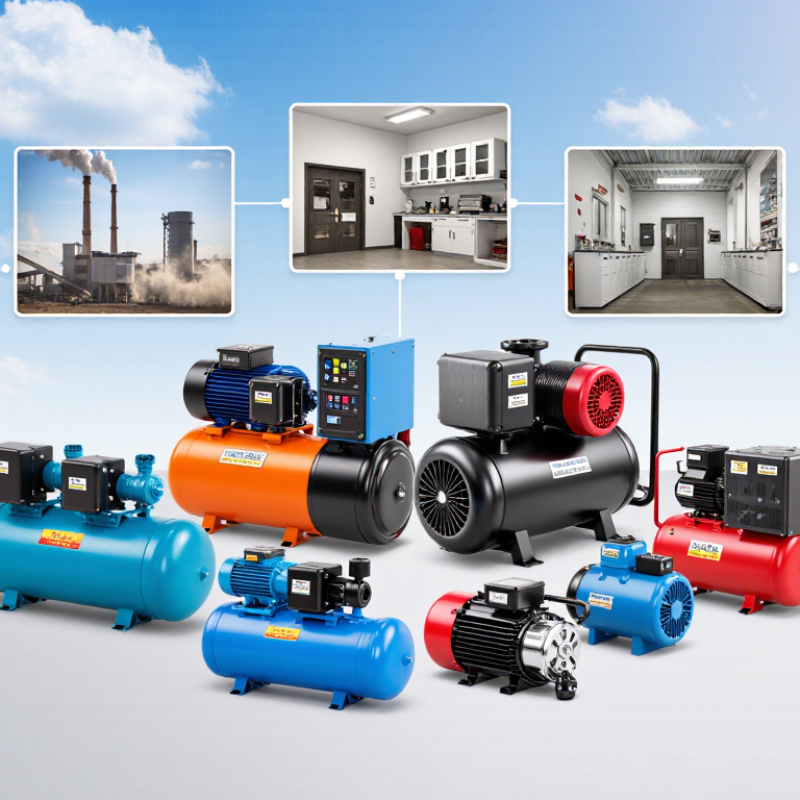
Top 10 Types of Screw Air Compressors for Global Buyers?

What Defines a Screw Air Compressor?

A screw air compressor is a positive-displacement machine that produces compressed air with rotating helical rotors. Inside the air end, two meshing rotors trap air and reduce its volume as they turn. This continuous process differs from a piston compressor’s stop-and-start delivery. The definition is mechanical, not merely commercial. Pressure, flow, cooling, and control systems determine real performance.

Most global buyers encounter twin-screw designs, but single-screw machines also serve specialized duties. Screw compressors may be oil-injected or oil-free, fixed-speed or variable-speed. Oil-injected models use lubricant to seal clearances, remove heat, and protect bearings. Oil-free models separate compression from lubrication when sensitive air quality matters. Yet “oil-free” does not mean maintenance-free. Filters, seals, dryers, and temperature controls still need disciplined inspection. This distinction is often missed in catalog comparisons.

From practical equipment reviews, the useful definition includes the complete air system, not only the rotor chamber. A buyer should verify delivered flow at working pressure, outlet temperature, noise, service access, and drain management. A large motor can look impressive. It may still waste energy at partial load. Variable-speed control can help, but savings depend on the demand profile and correct settings. I have seen specifications that seem precise yet omit test conditions. That is a weakness worth questioning. Compare measured data, operating hours, ambient conditions, and required air purity before choosing among screw compressor types.

How Screw Compressors Are Classified by Design and Drive

For global buyers, screw air compressors are easier to compare when classified by design and drive. This method shows how a machine behaves in a workshop, not only on a specification sheet. Common categories include oil-injected and oil-free designs, single-screw and twin-screw rotors, fixed-speed and variable-speed drives, electric and diesel drives, plus belt, gear, and direct transmission layouts. Overlap is normal.

Design affects air quality, maintenance, and operating temperature. Oil-injected models use separators and cooling circuits, making them practical for general manufacturing and pneumatic tools. Oil-free models avoid oil contact inside the compression chamber, which suits sensitive processes. However, they may require tighter cooling control. Twin-screw units are often chosen for steady industrial loads. Single-screw machines can provide balanced rotor forces, although local service experience may be limited. Small detail, big consequence.

Drive selection changes energy use and installation risk. Fixed-speed motors work well when demand remains stable. Variable-speed drives can reduce unloaded running during fluctuating shifts. Savings still depend on leaks, controls, and duty cycles. Direct drive usually reduces alignment work. Belt drive may simplify servicing, but belts need regular inspection. Diesel-driven units support remote sites without reliable grid power. I have seen buyers focus on motor size and overlook intake conditions. That assumption deserves another look. Evaluate altitude, ambient heat, start-stop frequency, air quality, service skills, and required pressure together.

Top 10 Types of Screw Air Compressors for Global Buyers

How screw compressors are classified by design and drive

The chart shows indicative discharge-pressure bands commonly associated with major screw-compressor configurations. Oil-injected models are widely used for general industrial air, while oil-free designs are selected for applications requiring minimal oil carryover. Fixed-speed and variable-speed electric drives, together with air-cooled, water-cooled, and engine-driven packages, address different load, cooling, and mobility requirements. Actual pressure limits depend on the compressor stage design, package configuration, and manufacturer specifications.

The Ten Main Types of Screw Air Compressors

The Ten Main Types of Screw Air Compressors

Screw compressors are classified by lubrication, compression stages, drive method, and mobility. The ten main types include oil-injected single-stage, oil-free single-stage, oil-injected two-stage, and oil-free two-stage models. Other categories include fixed-speed, variable-speed drive, electric-drive, diesel-drive, portable, and skid-mounted screw compressors. These categories overlap. That is useful, but confusing.

Oil-injected units suit workshops, factories, and general pneumatic tools. Oil-free designs support food processing, pharmaceuticals, electronics, and applications needing cleaner air. Two-stage models can improve efficiency at higher pressures. Variable-speed systems adjust output when demand changes. Fixed-speed machines may cost less initially, yet they can waste energy during low-load periods. The U.S. Department of Energy reports that compressed air can consume 10–15% of industrial electricity. That figure deserves attention during equipment selection. The report also recommends checking leaks, pressure settings, and demand patterns before buying capacity.

Tips: Match the compressor to actual flow, pressure, air purity, and operating hours. ISO 8573-1 helps buyers specify particulate, water, and oil classes. Ask for measured performance data, not only catalogue ratings. A site survey is often more valuable than a larger motor. Portable diesel models help remote work, while electric units usually simplify indoor operation. Skid-mounted packages can reduce installation time. Still, “oil-free” does not mean maintenance-free. Filters, dryers, valves, and cooling systems still require disciplined service. A neat ten-type list cannot replace a real load profile.

Top 10 Types of Screw Air Compressors for Global Buyers? - The Ten Main Types of Screw Air Compressors

No. Compressor Type Operating Principle Typical Pressure Range Typical Capacity Range Drive and Cooling Typical Applications Main Advantages
1 Oil-Injected Fixed-Speed Screw Compressor Oil is injected into the airend to seal, lubricate, and cool the meshing rotors. A fixed-speed motor runs at a constant speed. 7–13 bar(g) commonly; higher-pressure versions are available. 0.2–30 m³/min Electric motor; air- or water-cooled designs. General manufacturing, workshops, pneumatic tools, and industrial utilities. Simple control, robust construction, and competitive initial cost.
2 Oil-Injected Variable-Speed Screw Compressor A variable-frequency drive adjusts motor speed to match compressed-air demand while oil performs sealing and cooling functions. 5–13 bar(g) commonly. 0.3–30 m³/min Electric motor with inverter control; air- or water-cooled. Facilities with fluctuating air demand, multi-shift plants, and automated production lines. Lower unloaded running time and improved energy efficiency under variable demand.
3 Oil-Free Dry Screw Compressor Synchronized rotors compress air without oil entering the compression chamber. Timing gears or other non-contacting systems maintain rotor synchronization. 4–10 bar(g) commonly; some models reach higher pressures. 1–40 m³/min Electric motor; air- or water-cooled. Food and beverage, pharmaceuticals, electronics, textiles, and chemical processing. No oil is added to the compression chamber, supporting high-purity air requirements.
4 Water-Injected Oil-Free Screw Compressor Treated water is injected into the compression chamber for sealing, cooling, and lubrication instead of conventional oil. 5–10 bar(g) commonly. 1–25 m³/min Electric motor; generally water-cooled or designed with integrated water management. Applications requiring oil-free air where suitable water treatment and drainage are available. Low oil carryover risk from the compression chamber and efficient internal cooling.
5 Single-Stage Screw Compressor Air reaches the final discharge pressure in one rotor compression stage. 5–13 bar(g) commonly. 0.2–30 m³/min Electric motor; air- or water-cooled. General plant air, machinery, assembly, and maintenance operations. Compact layout, straightforward maintenance, and broad availability.
6 Two-Stage Screw Compressor Air is compressed in two successive screw stages, with intercooling between stages in many designs. 10–40 bar(g), depending on configuration. 1–25 m³/min Electric motor; air- or water-cooled. High-pressure manufacturing, PET preform production, testing, and specialized process air. More efficient than a single stage for many higher-pressure duties.
7 Electric Portable Screw Compressor A compact screw airend is mounted on a mobile skid, frame, or trailer and powered by an electrical supply. 5–13 bar(g) commonly. 2–25 m³/min Electric motor; typically air-cooled, with some water-cooled models. Construction sites, rental fleets, shipyards, infrastructure work, and temporary installations. Lower local emissions and noise than diesel units where grid power is available.
8 Diesel-Driven Portable Screw Compressor A diesel engine directly or indirectly drives the screw airend on a mobile chassis or trailer. 5–35 bar(g), depending on the model. 2–45 m³/min Diesel engine; liquid-cooled in most medium and large units. Remote construction, road work, mining, quarrying, and emergency field service. Independent operation without an electrical grid and strong field mobility.
9 Low-Pressure Screw Compressor The screw element is optimized for high air volume at relatively low discharge pressure. 0.3–4 bar(g) 5–100 m³/min Electric motor; air- or water-cooled. Wastewater aeration, pneumatic conveying, textile machinery, and glass container production. High-volume airflow with lower energy consumption than using a higher-pressure compressor throttled down.
10 High-Pressure Screw Compressor A reinforced screw airend, often using multiple stages or series-connected units, produces pressure above standard plant-air levels. 15–40 bar(g) commonly; specialized systems may be higher. 0.5–20 m³/min Electric motor or diesel engine; air- or water-cooled. PET bottle blowing, pressure testing, well drilling, mining, and high-pressure process systems. Provides higher pressure continuously with better suitability than standard low-pressure plant compressors.

Note: Pressure and capacity figures are typical industry ranges for comparison purposes. Actual performance depends on air-end design, inlet conditions, motor rating, cooling method, altitude, and the manufacturer’s technical specification. Pressure is shown in bar(g), and capacity is shown as free air delivery in m³/min.

How the Ten Compressor Types Differ in Performance and Use

Screw compressors differ more by control method and air quality than by appearance. The ten common types are oil-injected fixed-speed, oil-injected variable-speed, dry oil-free, water-injected, single-stage, two-stage, electric, diesel-driven, portable, and low-pressure screw compressors. Oil-injected models suit workshops and general manufacturing, where filtration is acceptable. Variable-speed units adjust motor output to demand, reducing unloaded running. The U.S. Department of Energy reports that compressed air can consume 10–30% of industrial electricity, so this control choice matters.

Dry oil-free screws avoid lubricant contact with the compression chamber. They fit food, pharmaceutical, and sensitive electronics production, but usually require stricter cooling and maintenance. Water-injected designs can lower discharge temperature, although water treatment becomes another operating task. Single-stage models are simpler for moderate pressure. Two-stage versions can improve efficiency at higher pressure, but their purchase and service costs rise. That trade-off is easy to underestimate.

Electric units work well indoors with stable power. Diesel-driven machines serve construction sites and remote projects, while portable packages tolerate movement and dust better. Low-pressure screws support pneumatic conveying, wastewater aeration, and ventilation duties; they should not be selected for ordinary plant pressure without checking flow. ISO 8573-1 classifies compressed-air purity by particles, water, and oil, not by compressor name. That distinction protects buyers from vague “clean air” claims. The DOE also stresses leak management and demand matching. In practice, a smaller machine with accurate controls may outperform an oversized one. I have seen specifications ignore seasonal demand. That is a costly blind spot.

How Global Buyers Can Choose the Right Screw Air Compressor

Choosing a screw air compressor starts with the air profile, not the catalog label. Record pressure, flow, operating hours, and demand changes across a normal shift. A workshop using pneumatic tools may suit an oil-injected, fixed-speed unit. A food, pharmaceutical, or electronics process may require oil-free compression and verified air treatment. “Oil-free” does not mean maintenance-free. Filters, dryers, and intake conditions still matter.

Match the compressor type to load behavior. Variable-speed models can reduce waste when demand moves between shifts, but savings depend on control settings and motor efficiency. Two-stage machines can provide higher pressure with improved efficiency in some applications. Portable units fit construction sites, while compact rotary screw systems work well in stable factory rooms.

Check duty cycle, receiver volume, cooling method, altitude, and ambient temperature. Hot, dusty rooms punish weak ventilation. They do.

Ask suppliers for performance data measured under comparable conditions, not only headline horsepower. Confirm flow at working pressure, sound level, service intervals, and spare-parts availability. A site survey should include pipe length, leaks, drain points, and future expansion. I would question unusually low prices; a cheaper machine can bring higher energy and downtime costs. Still, oversizing is not automatically safer. An oversized compressor may cycle poorly and waste power. Leave room for growth, but calculate it. Commissioning records, oil analysis where applicable, and routine leak checks provide practical evidence of reliability.

Article Source:

Go to Top