China Top Aluminum Bidirectional Gear Pump Manufacturers
Choosing a reliable China-based manufacturer for an Aluminum Bidirectional Gear Pump requires more than comparing prices. These pumps are used where hydraulic flow must reverse, such as on compact power units, lifting equipment, and certain mobile machines. Their aluminum housings can reduce overall weight, but suitability depends on pressure, speed, fluid, temperature, and duty cycle. Details matter.
This guide introduces manufacturers and the factors buyers can use to assess them. It considers product specifications, machining and assembly capabilities, testing practices, customization options, and communication during the quotation process. A clear data sheet should state rated pressure, displacement, rotation, port dimensions, and operating limits. Ask how the pump handles continuous duty, and whether seals and materials match the intended hydraulic fluid. A catalog image alone cannot answer that.
Supplier claims deserve careful checking. Request drawings, test information, sample availability, and references relevant to your application. Compare written specifications rather than relying on broad phrases such as “high performance.” Some product listings may omit important limits. That is worth noticing.
No single manufacturer is best for every project. Production volume, required tolerances, delivery schedule, and after-sales support can change the decision. Even experienced buyers may need to revisit assumptions when the final system differs from the initial design. Use this overview as a practical starting point for identifying Chinese manufacturers, asking focused questions, and narrowing options against measurable requirements.
What Aluminum Bidirectional Gear Pumps Are and How They Work
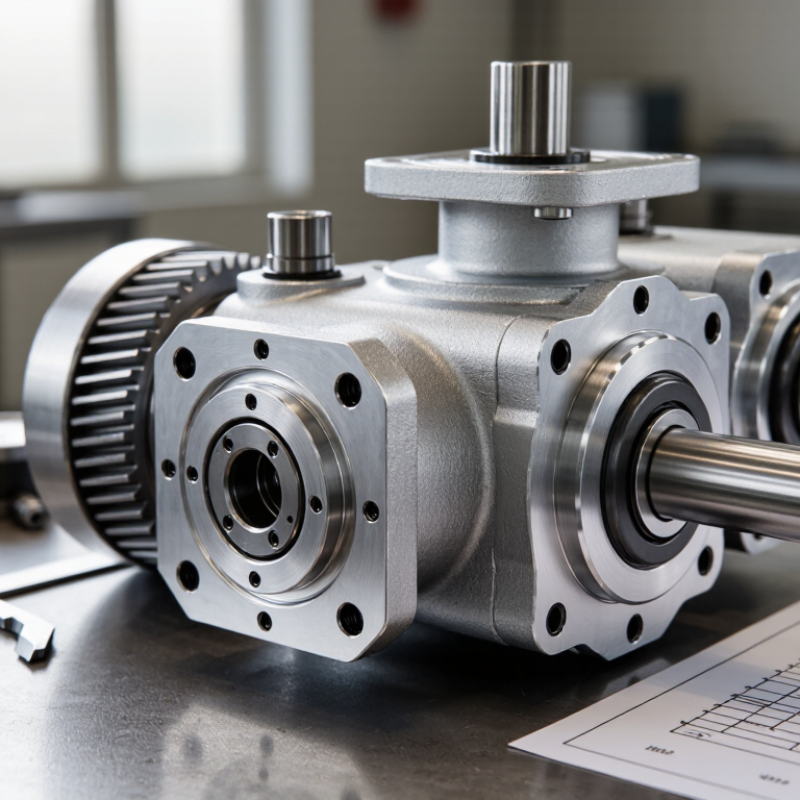
An aluminum bidirectional gear pump moves hydraulic fluid through two meshing gears inside a close-fitting housing. The drive gear draws fluid through the inlet, then carries it around the casing in spaces between the gear teeth. Fluid leaves as the teeth mesh again. Reversing shaft rotation can reverse flow, but only when the pump is designed for operation in both directions. Small package. Serious forces. Aluminum keeps the body relatively light and helps transfer heat; gears and shafts are commonly made from harder steel.
The U.S. Department of Energy’s Improving Pumping System Performance sourcebook reports that pumping systems can account for 25–50% of electricity use in some industrial facilities. That figure covers pumping systems broadly, not gear pumps alone, but it shows why operating efficiency matters. In practice, output depends on speed, fluid viscosity, pressure, and internal clearances. The awkward detail: reversing rotation does not guarantee identical flow or pressure. Check porting, seals, and relief-valve operation for both directions. A cold start can also change how thick oil moves through tight clearances; that detail is easy to overlook.
Key Materials, Designs, and Performance Characteristics
An aluminum bidirectional gear pump pairs a lightweight alloy housing with hardened steel gears and shafts. The housing helps reduce overall machine weight and can transfer heat away from the working oil. Gear hardness and tooth finish matter: rough contact can raise noise and wear, even when the pump meets its stated pressure rating. Fit matters. Bearings and shaft supports must control movement as rotation reverses, while seals need to tolerate pressure on either side. A design intended for one direction may not perform reliably in both.
Port geometry, clearances, and lubrication paths shape performance. Tight clearances can limit internal leakage, but overly tight parts may bind as temperature changes.
Not always. Check the specified oil viscosity, operating temperature, speed, and continuous pressure against the actual duty cycle. For example, a pump starting with cold, thick oil faces different loads from one running steadily after warm-up.
Ask manufacturers for test conditions, noise data, and allowable case pressure—not just a peak figure. A catalog rating can look reassuring, yet it cannot replace a hot-oil test. That detail is easy to miss, and it deserves a second look.
China’s Aluminum Bidirectional Gear Pump Manufacturing Landscape
China Top Aluminum Bidirectional Gear Pump Manufacturers
China’s Aluminum Bidirectional Gear Pump Manufacturing Landscape
China’s pump-making base benefits from a large, established aluminum supply chain. The National Bureau of Statistics reported 41.59 million tonnes of primary aluminum production in 2023 in its Statistical Communiqué on the 2023 National Economic and Social Development. That figure describes the wider materials ecosystem, not gear-pump output. It signals access to industrial-scale aluminum, but says little about an individual pump’s quality.
For bidirectional gear pumps, the practical challenge is consistent performance in both flow directions. Manufacturers must control gear clearances, housing dimensions, shaft sealing, and port geometry. Small details count. An aluminum body can reduce mass and aid heat transfer, yet alloy choice and machining quality affect wear and pressure stability. Buyers should request test data for both rotation directions, including pressure, flow, leakage, and operating temperature. Results should reflect the intended fluid and duty cycle; catalogue figures alone may not.
Tips: Ask how units are inspected after machining and how bidirectional performance is verified. Compare test conditions, not just headline ratings. Also check whether replacement seals and service guidance are available. A gap remains: public industry statistics rarely separate aluminum bidirectional gear pumps from broader hydraulic equipment categories. That makes supplier-level verification essential.
Industries and Applications Served by Chinese Manufacturers
Chinese manufacturers of aluminum bidirectional gear pumps serve aluminum casting, extrusion, and fabrication plants, as well as equipment builders. In these settings, reversible flow can support clamping, lifting, positioning, or other hydraulic movements. The required pressure, speed, and duty cycle vary by machine. Fit matters.
The USGS Mineral Commodity Summaries 2025 estimates China produced about 43 million metric tons of primary aluminum in 2024, against roughly 72 million worldwide. That production scale supports a broad network of smelters and downstream processors. Pump applications can include billet handling, press auxiliaries, and material-transfer equipment; exact configurations depend on the hydraulic circuit, not simply the industry label.
Mobile machinery is another market. The China Construction Machinery Association reported 195,018 excavator sales in 2023, including domestic sales and exports. That figure is not a direct measure of gear-pump demand, but it indicates the scale of equipment requiring hydraulic functions. Manufacturers may also supply agricultural machinery, industrial handling systems, and factory automation. Buyers should check fluid compatibility, contamination tolerance, reversing frequency, and continuous-duty limits. A compact pump may fit the space, yet still run hot under repeated cycling. That detail is easy to overlook.
China Top Aluminum Bidirectional Gear Pump Manufacturers: Industries and Applications Served
Bars show the number of representative application examples listed for each industry. They are not market-share, sales, or production figures. Actual suitability depends on pump specifications, fluid, operating conditions, and material compatibility.
How to Evaluate and Select a Manufacturer
Selecting a manufacturer requires more than comparing quoted prices. Grand View Research estimated the global hydraulic pump market at USD 11.6 billion in 2022, with a projected 4.8% annual growth rate through 2030. That market figure signals demand, not product quality.
For aluminum bidirectional gear pumps, request documented tests for flow, pressure, volumetric efficiency, leakage, and performance in both rotation directions. Ask for the test fluid, oil temperature, and measurement tolerances. Without those details, two test sheets may not be comparable.
Inspect the pump’s aluminum alloy, shaft and seal materials, port finish, and stated operating limits. A credible manufacturer should provide traceable inspection records and explain how its design handles pressure spikes, heat, and contaminated oil. Check whether the rated pressure applies continuously or only briefly.
Then compare samples under your own duty cycle, including repeated reversals and cold starts. A polished catalog can still hide a mismatch. I would not treat a low noise reading as proof of long service life.
Tips: Request a sample test report, not just a certificate. Confirm the warranty exclusions, replacement-part lead times, and response process for failures. Ask for references from applications with similar pressure, speed, and fluid conditions. Small checks matter.
