China Top 10 Diesel Motor Manufacturers You Should Know?
In recent years, diesel motors have gained significant attention, especially in China. The country now boasts a range of top manufacturers in this sector. These companies produce engines that power various vehicles and machinery. Understanding their contributions is essential for anyone interested in diesel technology.
China's diesel motor manufacturers showcase innovation and quality. However, the industry faces challenges. Environmental concerns and regulatory changes impact production. Not all companies adapt seamlessly to these shifts. Some struggle, while others thrive, reflecting the industry's complexity.
As you explore the top ten manufacturers, consider their unique strengths. Each brand has distinct offerings that cater to diverse needs. This landscape of competition drives advancements but also reveals vulnerabilities. A balanced view of their successes and setbacks provides valuable insights into the diesel motor market.
Overview of Diesel Engine Market in China
The diesel engine market in China is witnessing significant growth due to increasing demand across various industries. According to a report by ResearchAndMarkets, the market is projected to grow at a CAGR of 4.5% from 2021 to 2026. This growth is largely driven by the construction and transportation sectors, where diesel engines are preferred for their durability and efficiency.
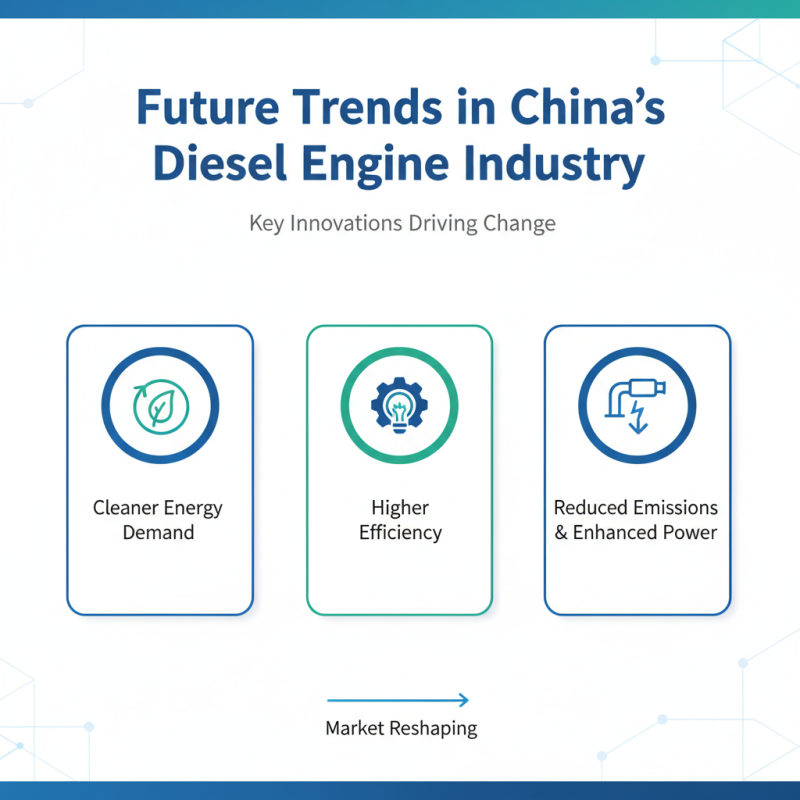
In recent years, China's focus on cleaner technology has led manufacturers to innovate. A rise in stringent emission regulations is pushing companies to enhance their engine designs. Some firms are adopting advanced fuel injection technologies to improve performance and reduce emissions. However, challenges remain, such as the high costs associated with these innovations which may deter smaller manufacturers from competing effectively.
Tip: Consider the environmental impact of diesel engines. Companies must invest in research to adapt to the evolving regulations. It is essential to focus not only on performance but also on sustainability.
The potential for growth is evident. However, the market also faces pressures from alternative energy sources. As electric and hybrid technologies gain traction, diesel manufacturers must adapt their strategies. The balance between meeting current demands and anticipating future trends will be crucial for long-term success.
Key Criteria for Choosing a Diesel Motor Manufacturer
When selecting a diesel motor manufacturer, several key criteria come into play. Experience in the industry matters. A company with a long track record has likely refined its processes and technology. It's essential to look for manufacturers with expertise in producing durable and efficient engines. This can significantly impact performance and longevity.
Another vital factor is the manufacturer’s commitment to quality. Certifications and compliance with industry standards ensure reliability. Inspecting their testing methods can reveal the diligence put into quality assurance. Additionally, customer support plays a crucial role. A responsive service team helps address issues swiftly, making a manufacturer more trustworthy.
Consider the breadth of their product range. A varied selection can offer more options for specific needs. While variety is beneficial, it’s essential to assess whether the manufacturer maintains standards across its entire lineup. Evaluating reviews and case studies provides insight into user experiences. This helps to reflect on how well the manufacturer meets customer expectations and needs.
China Top 10 Diesel Motor Manufacturers You Should Know
| Manufacturer Ranking |
Annual Production Volume |
Engine Power Range (HP) |
Certification Standards |
Headquarters Location |
| 1 |
250,000 units |
100 - 300 HP |
ISO 9001, EPA |
Beijing |
| 2 |
200,000 units |
150 - 400 HP |
ISO 14001, CE |
Shanghai |
| 3 |
180,000 units |
80 - 250 HP |
ISO 9001, ISO 14001 |
Guangzhou |
| 4 |
220,000 units |
120 - 500 HP |
ISO 9001, EPA Tier 4 |
Shenzhen |
| 5 |
150,000 units |
90 - 200 HP |
ISO 14001, CE |
Chengdu |
| 6 |
300,000 units |
150 - 350 HP |
ISO 9001, EPA |
Wuhan |
| 7 |
170,000 units |
110 - 270 HP |
ISO 9001, ISO 14001 |
Nanjing |
| 8 |
210,000 units |
160 - 460 HP |
ISO 14001, CE |
Hangzhou |
| 9 |
190,000 units |
100 - 300 HP |
ISO 9001, EPA Tier 4 |
Tianjin |
| 10 |
230,000 units |
120 - 400 HP |
ISO 14001, CE |
Xi'an |
Top 10 Diesel Motor Manufacturers in China
China’s diesel motor manufacturing industry has grown significantly in recent years. The country now stands as a leader in producing high-quality diesel engines. According to industry reports, China's diesel engine output reached over 1 million units in 2022. This growth reflects rising demand in various sectors, from transportation to agriculture. The advancement in technology also plays a crucial role in enhancing engine efficiency and reducing emissions.
Several manufacturers in China are recognized for their innovative approaches. They focus on producing durable and reliable engines that meet international standards. Recent data indicates that these companies accounted for over 60% of diesel engine exports from China. Efficiency improvements have led to engines that not only perform better but also consume less fuel. This shift benefits both manufacturers and consumers, creating a market with high return on investment.
Tip: Always check the latest specs and reports when choosing a diesel engine. Evaluate each manufacturer’s technology advancements for better performance.
As the industry evolves, challenges remain. Some manufacturers face quality control issues. Reports highlight discrepancies in engine performance metrics. Buyers should remain cautious and conduct thorough research. Ensuring compliance with environmental regulations is also critical for future growth. High standards will drive further innovations in diesel motor technology.
Tip: Stay updated on new environmental regulations. This knowledge helps in making informed purchasing decisions.
Innovations and Technologies in Diesel Engines
Innovations in diesel engines are reshaping the industry. Traditional engines face pressure to reduce emissions. Manufacturers are developing cleaner technologies. Advanced fuel injection systems allow for more precise fuel delivery. This enhancement boosts efficiency and lowers pollution.
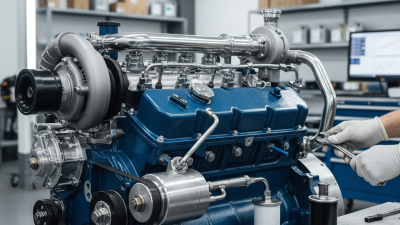
Turbocharging has also gained traction. It improves power output without increasing engine size. New materials make engines lighter and stronger. This means better performance and durability. However, challenges remain. The transition to cleaner engines isn't without its hurdles. Balancing cost and sustainability is crucial for many manufacturers.
Electric and hybrid technologies are emerging trends. Diesel still holds a significant market share, but competition is fierce. Manufacturers must innovate to stay relevant. Consumer demands are evolving rapidly. There’s a push for quieter, more efficient engines. As the industry moves forward, continuous improvement is essential.