Essential Tips for Choosing the Best Stainless Steel Grinding Machine?
Choosing the right Stainless Steel Grinding Machine is crucial for both performance and durability. Many options exist, yet not all machines meet the demands of every task. It's essential to consider various factors before making a decision.
Understanding your specific needs is the first step. Are you grinding small batches or large quantities? What types of materials will you be processing? A machine that excels in one area may fall short in another. For instance, some models might be great for precision work but struggle with heavier tasks.
Don't overlook the machine's construction. Quality stainless steel is vital for longevity and resistance to corrosion. However, even the best materials can wear down if not used properly. Regular maintenance and care are necessary for optimal performance. Consider how often you can commit to these tasks. Making a well-informed choice involves balancing quality, price, and your unique requirements.
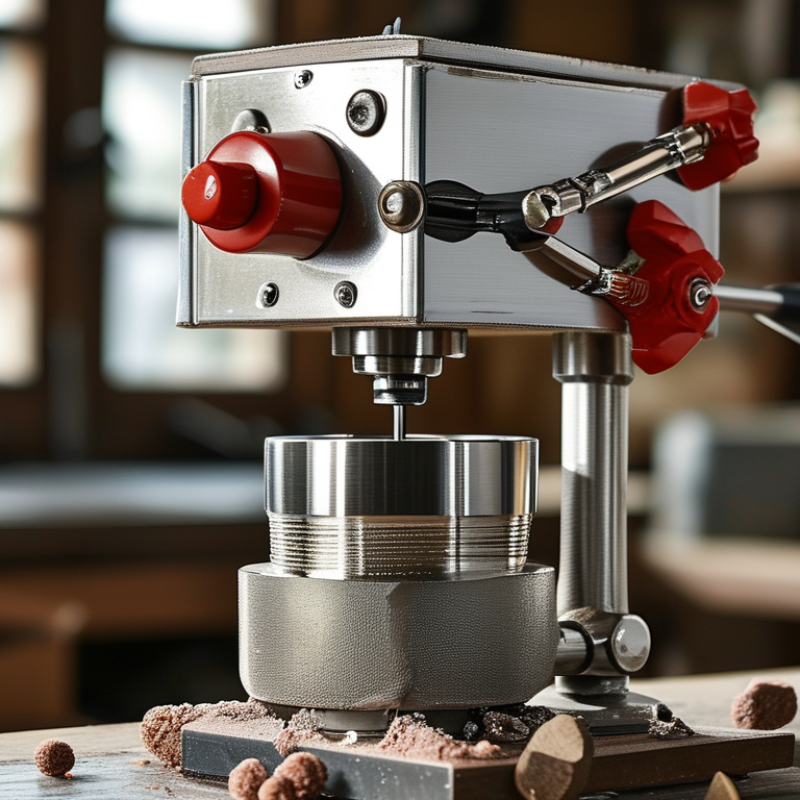
Understanding the Importance of Stainless Steel Grinding Machines
Stainless steel grinding machines play a crucial role in various industries. They are pivotal for achieving precise finishes on metal surfaces. A good grinding machine affects efficiency and product quality. It’s vital to choose the right one for your needs based on purpose and usage.
When selecting a stainless steel grinding machine, consider its size and power. A smaller machine may be lightweight but might not handle larger projects efficiently. Look for machines with adjustable speed settings. This feature allows you to customize operations for different materials. Balancing power with usability is essential.
Don’t overlook customer reviews and expert opinions. They provide insights into machine reliability and performance. A thorough understanding of your specific grinding requirements is important. Reflect on the types of materials you'll process and the desired finish. It's easy to rush into a purchase, but careful consideration will yield better results. These machines are investments that can either boost productivity or lead to frustration if chosen poorly.
Essential Tips for Choosing the Best Stainless Steel Grinding Machine
| Feature | Importance | Recommendation |
| Material Quality | Durability and corrosion resistance | Choose high-grade stainless steel |
| Motor Power | Efficient grinding performance | Opt for at least 1 HP motor |
| Grinding Speed | Faster processing time | Look for adjustable speed settings |
| Safety Features | Prevention of accidents | Check for overload protection |
| Ease of Cleaning | Maintaining hygiene | Select machines with detachable parts |
| Noise Level | Comfort during operation | Look for models with noise reduction features |
Key Features to Look for in a Stainless Steel Grinding Machine
When selecting a stainless steel grinding machine, consider several key features. The motor power plays a crucial role. A strong motor ensures efficient grinding. Look for machines with at least 1 HP for better performance in tough materials. Weight matters too. Heavy machines offer stability, reducing vibrations during operation.
Another important aspect is the grinding mechanism. Machines with adjustable grinding plates allow for versatility in applications. Ensure the design is user-friendly, especially if you need to switch between settings frequently. Pay attention to maintenance requirements. Stainless steel machines should be easy to clean and maintain. Regular care prolongs the machine's lifespan.
Don’t overlook safety features. Guarding systems and emergency shut-off buttons are essential for risk prevention. Noise level is another factor to consider. A quieter machine can enhance user comfort. Test the machine if possible. Observing its operation can reveal features you may not have considered initially. Make a checklist to evaluate options thoroughly.
Evaluating the Size and Capacity for Your Grinding Needs
When selecting a stainless steel grinding machine, the size and capacity are crucial. Understanding your grinding needs is essential. For smaller operations, a compact machine may suffice. However, larger volumes require a machine with greater capacity. Assessing the type of materials you will grind also helps in determining the necessary size.
Consider the available space in your workshop. A larger machine may offer more power, but it needs adequate room for operation. Think about the weight as well. Heavier machines can be less portable, limiting your options. Additionally, do you have the right power supply? Some machines demand higher voltage, which may necessitate specific installations.
Evaluate how frequently you will use the machine. If it’s a rare task, a smaller, versatile unit might be sufficient. On the other hand, for daily grinding, investing in a larger capacity device makes sense. Be realistic about your needs and budget. Excess capacity can lead to wasted resources, while insufficient power may compromise performance.
Comparing Different Types of Stainless Steel Grinding Machines
When selecting a stainless steel grinding machine, it's essential to consider the various types available. Each type has unique features that cater to different grinding needs. For instance, bench grinders are compact and ideal for small-scale tasks. They offer precision for detailed work but may lack power for heavy-duty applications. On the other hand, industrial-grade grinders are built for larger projects. They deliver high performance but take up more space and require a higher investment.
Choosing the right machine also involves examining the grinding mechanism. Some machines utilize blades for cutting, while others rely on burrs or discs for grinding. Blade grinders are often quieter but may produce uneven results. Conversely, burr grinders ensure a consistent grind but may generate more heat, affecting the final product. Understanding the pros and cons of each mechanism is crucial for making an informed choice.
Another factor to consider is the machine's size and versatility. A portable model can be useful for various tasks, but may sacrifice power and durability. On the flip side, a larger stationary machine provides stability but may not fit in all workspaces. Balancing space constraints with performance needs is key. Reflecting on these aspects can help you select the right stainless steel grinding machine tailored to your specific requirements.
Assessing Budget and Brand Reputation for Your Purchase Decisions
When selecting a stainless steel grinding machine, budget and brand reputation play critical roles. A well-defined budget helps in narrowing down options. Consider the features that are essential for your use. High-quality models may have a higher price tag. However, investing more can lead to better efficiency and durability in the long run. Cheap options might seem attractive but could result in more maintenance costs over time.
Brand reputation should not be overlooked. Established brands often have a history of reliability and customer satisfaction. Look for customer reviews and feedback. They provide insights into long-term performance and common issues. However, remember that a good reputation doesn't guarantee perfection. Some reputable brands might still have occasional flaws that can affect performance.
Evaluate both aspects carefully. A slightly higher budget could open up superior machines that make significant differences in your work. Meanwhile, brands with a solid reputation will likely provide better customer support and warranty services. Balance your decisions by weighing immediate costs against the machine's potential longevity and effectiveness. This reflection will lead you to a wise purchase.
