What is a Static Frequency Changer and How Does It Work?
In today’s rapidly evolving energy landscape, the role of a Static Frequency Changer is vital. This device transforms the frequency of electrical power, allowing for greater efficiency and flexibility in energy systems. According to Dr. Michael Jacobs, a leading expert in power electronics, "Static Frequency Changers are game-changers in managing energy transmission." His statement underscores the growing significance of these technologies.
The mechanics behind a Static Frequency Changer are complex, yet essential for modern applications. By converting alternating current (AC) from one frequency to another, it enables the integration of renewable energy sources into existing grids. This seamless interaction promotes stability and reliability in power supply, a necessity in our technologically driven world.
However, the implementation of Static Frequency Changers is not without challenges. Issues such as efficiency loss and thermal management require careful consideration. Despite these imperfections, their benefits significantly outweigh the drawbacks. As we advance into a future that leans heavily on variable energy sources, understanding Static Frequency Changers becomes increasingly important for both researchers and industry professionals.
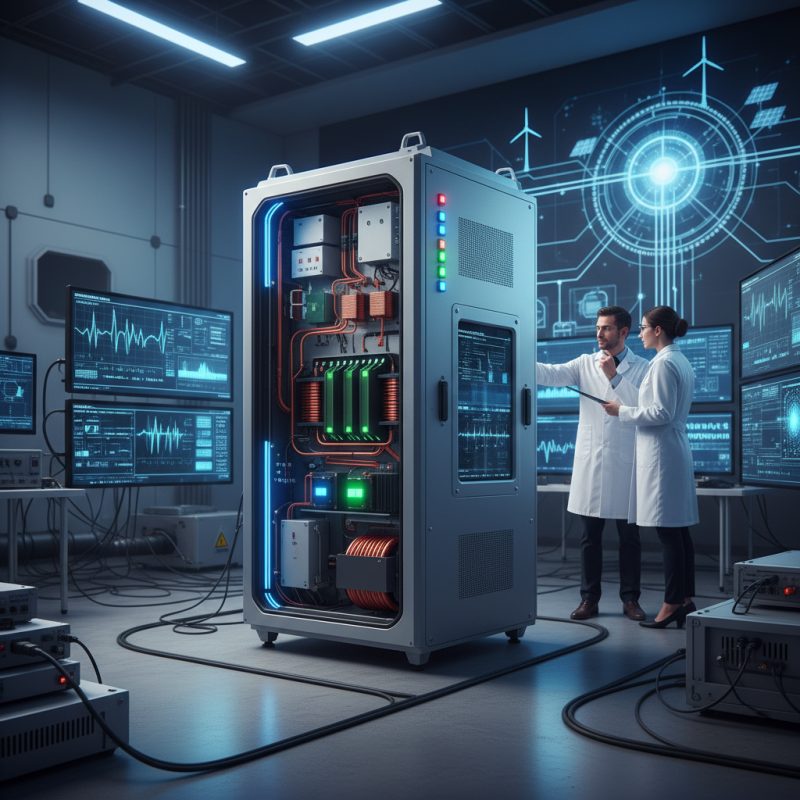
What is a Static Frequency Changer?
A Static Frequency Changer (SFC) is a power electronic device. It converts electrical energy from one frequency to another. This technology is vital in various applications, especially in industries that rely on precise frequency control for machinery operation.
The SFC operates by using a series of converters. These converters adjust voltage and frequency levels. By doing this, it maintains power quality and stability. Unlike traditional frequency changers, an SFC can efficiently handle fluctuating loads. It utilizes semiconductor technology, which can improve performance but may also require careful management.
Implementing an SFC can pose challenges. Its complexity can lead to potential reliability issues. Proper maintenance and skilled personnel are essential for optimal performance. It's crucial to analyze the system thoroughly before installation. Decisions should be based on long-term projections and specific operational needs.
Key Components of a Static Frequency Changer
Static Frequency Changers (SFCs) play a vital role in power systems. They convert input electric frequency to a desired output frequency. This process is crucial for connecting systems with different frequency standards.
Key components of an SFC include the rectifier, inverter, and filter. The rectifier converts alternating current (AC) to direct current (DC). This step is essential for stabilizing the voltage levels. Next, the inverter transforms DC back to AC at the required frequency. Filters are employed to smooth out the output waveform, enhancing power quality.
When dealing with SFCs, it’s important to consider the load characteristics. Different loads have varying sensitivity to frequency changes. A mismatch can lead to inefficiencies.
Tips: Regular maintenance of the SFC components ensures optimal performance. Keeping an eye on temperature levels can prevent overheating. Monitoring input and output frequencies helps in early detection of issues. Small changes can have large impacts, so vigilance is key.
What is a Static Frequency Changer and How Does It Work? - Key Components of a Static Frequency Changer
| Component | Function | Typical Specifications |
| Rectifier | Converts AC input voltage to DC voltage | Voltage rating: Up to 330 kV |
| Inverter | Converts DC back into AC with a desired frequency | Output frequency: 50/60 Hz or variable |
| Filter | Reduces harmonics and improves power quality | Reactance: Typically up to several hundred ohms |
| Transformer | Adjusts voltage levels as needed | Power rating: Up to several hundred MVA |
| Control System | Manages operation and adjusts output parameters | Microcontroller or PLC based |
How Does a Static Frequency Changer Operate?
A Static Frequency Changer (SFC) is a pivotal device in modern power systems. It converts the input frequency to a desired output frequency, facilitating the connection of equipment that operates on different frequency standards. This capability is crucial in industries where machinery needs a stable power supply. According to a recent report from the International Energy Agency, the global market for frequency converters is expected to grow by 12% annually over the next five years.
Operating an SFC involves two main processes: rectification and inversion. Initially, the device rectifies the AC input into direct current (DC) by using diodes. This DC is then inverted back into AC at the target frequency using advanced semiconductor technologies. This method allows for high efficiency, often exceeding 95%. However, the complexity of these systems can lead to operational challenges. Not all installations perform at optimal levels, and maintenance often falls short due to lack of trained personnel.
Some systems may struggle to manage load diversifications effectively. This can result in frequency instability, affecting overall performance. Moreover, ensuring the reliability of components is critical. In creating a robust SFC, balancing quality with cost remains an ongoing challenge for engineers. Despite these hurdles, the advancements in SFC technology continue to push boundaries, securing its position in energy systems worldwide.
Static Frequency Changer Performance Analysis
Applications of Static Frequency Changers in Modern Technology
Static Frequency Changers (SFCs) play a vital role in modern technology. They convert the frequency of electrical power, enabling equipment to operate efficiently across different frequency systems. In industries, SFCs help connect renewable energy sources like wind and solar to the power grid. This integration is critical for optimizing energy use and supporting green initiatives.
In transportation, SFCs enhance the efficiency of electric trains. They adjust the supply frequency from overhead lines to match the train's requirements. This process minimizes energy loss and reduces operational costs. However, the reliance on SFCs can lead to complexity. Maintenance of these systems requires skilled technicians. Additionally, improper setup can result in inefficient power conversion, affecting overall performance.
Telecommunications also benefit from SFC technology. They stabilize power supplies for sensitive equipment, ensuring consistent performance. However, the fine-tuning needed in these setups can sometimes lead to unexpected challenges. Balancing efficiency and reliability remains an ongoing task for engineers. As technology advances, the potential for improvements in SFC design and application continues to grow.
Advantages and Limitations of Static Frequency Changers
Static Frequency Changers (SFCs) play a crucial role in modern power systems. They alter the frequency of electrical energy to match specific needs. The advantages of SFCs include improved efficiency and reliability. They help in connecting renewable energy sources to the grid, optimizing energy transmission.
However, SFCs come with limitations. Their initial installation cost can be high, which may deter some manufacturers. Additionally, their complexity requires skilled personnel for operation and maintenance. A report by the International Energy Agency noted that while SFCs can enhance grid stability, not all regions are ready for such advanced technology.
Another drawback is the limited scalability of some designs. Not all static frequency changers can effectively manage large loads consistently. This can hinder their application in industries that demand high power flexibility. The reliability of SFCs in extreme environmental conditions also remains a concern, warranting further research. Balancing benefits against these limitations is essential for future developments in this field.
