What is Screw Accessories and How to Choose the Right One?
Screw Accessories play a vital role in various industries, from construction to DIY projects. Understanding these components is essential for optimal performance. Choosing the right screw accessories can significantly impact the durability and effectiveness of assemblies.
The variety of screw accessories available can be overwhelming. Each accessory serves a specific purpose, which can lead to confusion. It's important to identify your needs before making a selection. For instance, different materials can affect strength and longevity. Often, people overlook the importance of quality, leading to frequent replacements and frustrations.
Many are tempted to simply pick the cheapest option. However, this approach can backfire. Low-quality screw accessories may compromise project integrity and safety. Evaluating quality against cost will save time and resources in the long run. Making informed choices means considering factors like material, size, and compatibility with existing hardware. This careful consideration leads to more reliable results and minimizes future issues.
Understanding Screw Accessories: Definition and Purpose
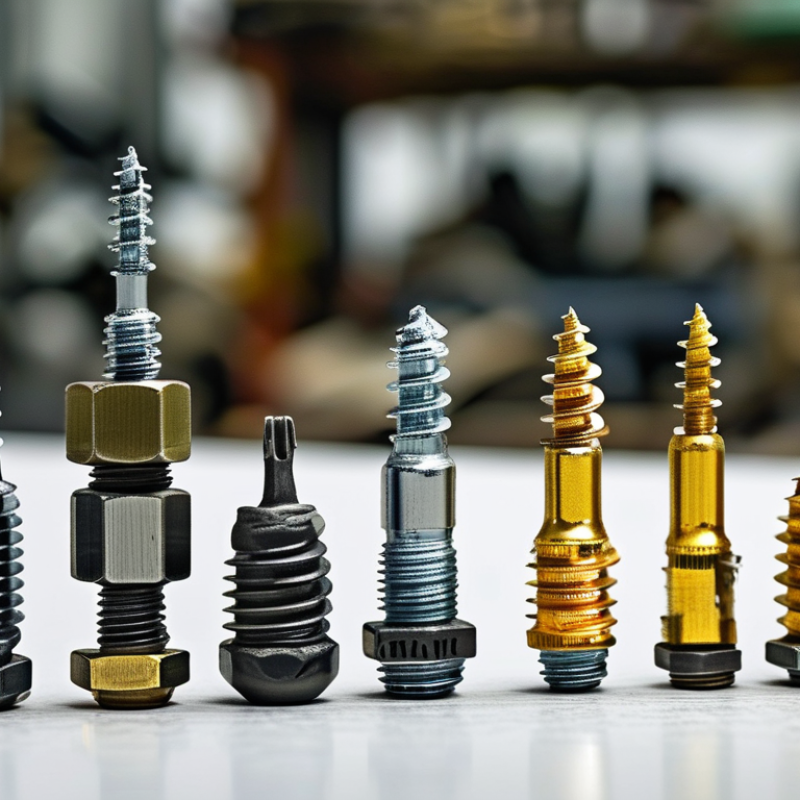
Screw accessories are vital components in both construction and DIY projects. They enhance the functionality of screws, ensuring a secure fit. Understanding their purpose can significantly impact the outcome of your work. These accessories include washers, nuts, and anchors, each designed for specific applications. For instance, washers distribute the load, preventing damage to surfaces. Nuts provide a locking mechanism, securing the screw in place.
Choosing the right screw accessory can be daunting. Consider the material and size of your screws first. Compatibility is essential; mismatched sizes can lead to instability. Always think about the environment where the screw will be used. Outdoor settings may require corrosion-resistant accessories. Sometimes, the best choice isn't the most expensive option. Simplicity and effectiveness often win out.
It's easy to overlook the importance of screw accessories. However, neglecting them can lead to costly mistakes. Many people learn this lesson the hard way. Reflecting on past experiences can steer future decisions. Reinforcing your understanding of these components ensures a more reliable assembly. In the world of fastening solutions, small details matter significantly.
What is Screw Accessories and How to Choose the Right One?
| Type of Screw Accessory | Description | Common Uses | Key Features |
| Screw Caps | Protective covers for screws to prevent damage and corrosion. | Used in automotive, electronics, and outdoor equipment. | UV-resistant, durable materials. |
| Washers | Flat discs used to distribute load and prevent damage to surfaces. | Common in construction and machinery. | Corrosion-resistant, varied thickness and sizes. |
| Anchors | Devices used to attach screws to surfaces like concrete or drywall. | Used in walls, ceilings, and outdoor fixtures. | High load capacity, various types for different materials. |
| Nuts | Hexagonal blocks that fit onto screws or bolts to hold them tightly. | Commonly used in machinery and structural applications. | Available in various sizes and materials; locknut features for added security. |
| Threaded Inserts | Used to provide a reliable thread for screws in softer materials. | Used in wood, plastic, and thin metals. | Easy to install, enhances hold in weak materials. |
Types of Screw Accessories: An Overview of Common Options
When choosing screw accessories, understanding the types available is crucial. Screw accessories can enhance the performance and efficiency of fastening applications. Common options include washers, anchors, and nuts. Each serves a specific purpose and is designed for different materials. For instance, washers distribute load but may not be necessary for all applications.
Data from industry reports shows that over 60% of fastening failures occur due to improper accessory choice. This highlights the importance of selecting the right accessory for your specific needs. Anchors are essential in masonry applications, while nuts are commonly used in metal constructions. Both contribute to the overall strength of the assembly.
It's worth noting that not every project requires all types of accessories. In certain situations, fewer accessories can lead to better outcomes. This aligns with findings that indicate simpler fastening solutions often perform better, reducing the risk of complications. Understanding the specifications, load requirements, and material compatibility can lead to more efficient fastening and increased reliability.
Key Factors in Choosing the Right Screw Accessory
When selecting the right screw accessory, consider several key factors. The material of the screw is crucial. Stainless steel, for example, is resistant to rust. It’s ideal for outdoor projects. However, if the cost is a concern, other metal options may suffice. Decide based on where the accessory will be used.
Thread type is another essential aspect. Coarse threads work well in soft materials, while fine threads provide better holding power in harder substances. Understanding the surface condition of the materials is vital. A rough surface might require a different type of screw than a smooth one.
Lastly, think about your project's specific needs. Sometimes, what seems suitable may not provide the expected results. Always evaluate if the chosen accessory will hold up under stress. It's worth taking time to reassess your decisions. Each project varies, and the right accessory can make a difference in quality and longevity.
Sizing and Compatibility: Finding the Perfect Match
When selecting screw accessories, sizing and compatibility are critical factors. The right dimensions ensure a secure fit. Using screws that are too small may lead to instability, while oversized screws can damage materials. Measure the diameter and length carefully. Occasionally, manufacturers provide detailed specifications. Always consult guidelines before making a purchase.
Compatibility goes beyond size. Different materials require different types of screws. For instance, wood screws work best with wooden surfaces, while metal screws are ideal for metal. Using an incompatible screw can affect durability and performance. Pay close attention to thread type and head design as well. These details influence how well the screw performs in various applications.
Mistakes happen. A common error is assuming that all screws will fit any accessory. This could lead to frustration during installation or future failures. Take time to research and ensure a thorough understanding of what is needed. A small oversight can lead to significant consequences later on. Seeking expert advice is always a good strategy when in doubt.
Application-Specific Considerations for Screw Accessories
When selecting screw accessories, application-specific considerations are crucial. Different industries require various specifications to ensure optimal functionality. For example, in the construction sector, corrosion resistance is essential for screw durability. According to a report by the International Fastener Association, nearly 30% of failures in fastening systems are due to poor material selection.
Selecting the right screw accessory involves understanding the material and environment it will be used in. For woodworking, choose screws made from carbon steel for strength. However, in applications exposed to moisture, stainless steel is ideal. Understanding the load-bearing specifications is also vital. For instance, light-duty screws are not suitable for heavy applications, risking structural integrity.
**Tip:** Assess environmental factors that could affect screw performance, such as temperature and humidity.
Remember that using the wrong thread type can lead to issues. Coarse threads work better in soft materials, while fine threads excel in harder materials. A mismatch can lead to weak connections and premature failures. Be attentive to these details; they can save time and costs in the long run.
**Tip:** Always test screws in small batches before full application. This can help identify potential issues early.
