What is a Machining Center and How Does It Work?
A Machining Center is a crucial piece of equipment in modern manufacturing. Defined as a computer-controlled tool that integrates multiple machining functions, it streamlines production processes. According to the 2022 Global Machine Tool Market report, the machining center market is projected to grow at a CAGR of 5.2% from 2023 to 2030. This is largely due to the rising demand for precision engineering and automation.
Machining Centers offer versatility. They can drill, mill, and cut materials like metal and plastic, which can significantly reduce production time. In fact, manufacturers have reported productivity increases by as much as 30% when utilizing these advanced machines. However, these benefits come with a caveat. The initial investment and maintenance costs can be significant and may deter smaller operations from adopting this technology.
Understanding how a Machining Center works is essential for optimizing its potential. Embracing this technology is not without its challenges. Proper training is critical for operators to maximize efficiency. As industries demand higher precision and lower costs, the role of Machining Centers will only continue to expand.
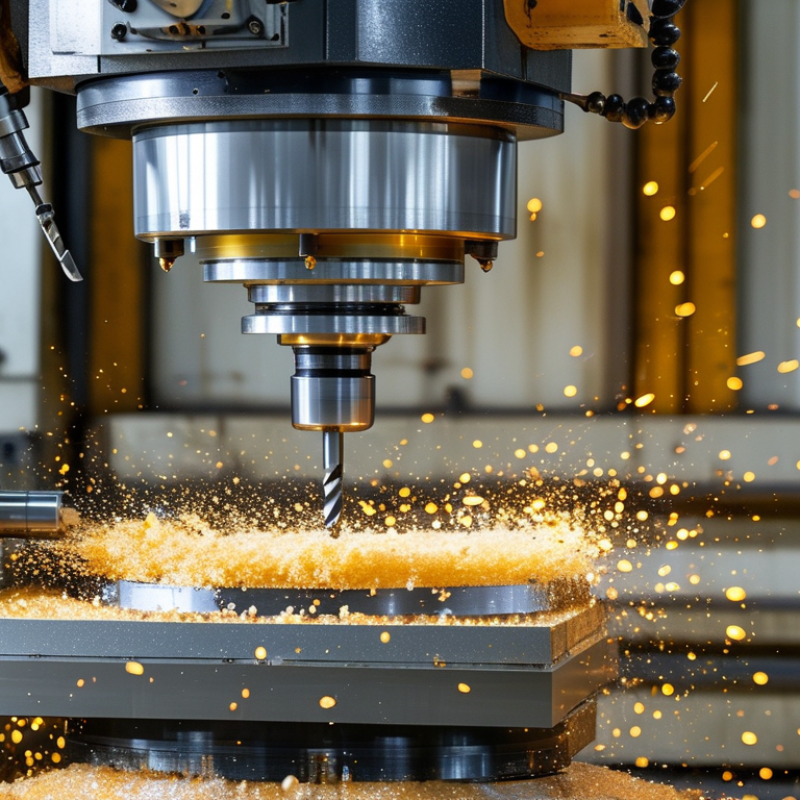
What is a Machining Center?
A machining center is a versatile piece of equipment used in manufacturing. It combines various functions, allowing for milling, drilling, and tapping in a single setup. This integration saves time and increases efficiency. Machining centers are essential for producing complex parts with precision.
These machines operate with computer numerical control (CNC), which ensures high accuracy. Operators program the desired specifications into the system. The machining center then automates the cutting process. It can execute intricate designs that manual machines might struggle with. This capacity helps manufacturers meet stringent quality standards.
While machining centers streamline production, they can also present challenges. Settings may require frequent adjustments, particularly with different materials. Additionally, operator training is vital for maximizing their capabilities. Misunderstanding the software could lead to errors, affecting the final product’s integrity. Continuous learning and adaptation to new technologies are crucial for success in this field.
Machining Center Efficiency by Process Type
Key Components of a Machining Center
A machining center is a versatile machine tool designed for automated machining processes. Its core components work together to achieve precision and efficiency. The spindle is one of the key elements. It holds the cutting tools and rotates them at high speeds. This rotation allows for various operations such as drilling, milling, and tapping, essential for intricate manufacturing tasks.
Another important component is the tool changer. This mechanism automatically swaps tools based on the operation required. It saves time and enhances productivity. Typically, a machining center can hold multiple tools, allowing for complex parts to be produced in one setup. The worktable provides a stable surface where materials are secured during machining. Its design often includes specific fixtures or vises to accommodate different shapes and sizes, ensuring accuracy.
Control systems also play a vital role. These systems manage movements with precision, using numerical control (NC) programming. Operators input detailed instructions, enabling complex machining tasks to be performed. This technology reflects an intersection of engineering and tool design. However, even with advancements, operators must continually adjust settings for optimal performance. Achieving perfect results requires a balance of experience and technology. Each machining center presents unique challenges that operators must thoughtfully navigate.
The Working Principle of Machining Centers
Machining centers are vital in modern manufacturing. These versatile tools combine multiple functions into one machine. They can perform tasks such as milling, drilling, and tapping. The integration of these processes enhances efficiency and precision in production.
The core working principle of a machining center lies in its ability to automate operations. It uses a rotating spindle to move cutting tools against the workpiece. This movement can occur in various directions, allowing for intricate designs. The controller drives these motions, often through computer numerical control (CNC). This technology aids in achieving high accuracy, eliminating many human errors.
Another important aspect is the changeable tooling system. Machining centers can switch tools quickly to adapt to different tasks. However, maintenance remains a challenge. Improper upkeep can lead to breakdowns and affect productivity. Operators must be knowledgeable about the machine's capabilities and limitations. Understanding these nuances allows for better decision-making in complex projects.
Types of Machining Centers and Their Applications
Machining centers are versatile machines used in manufacturing. They can perform various tasks like drilling, milling, and tapping. Each type has unique features suited for different applications.
Vertical machining centers (VMCs) are popular in general manufacturing. They are effective for precision parts and mold making. Their vertical spindle allows for detailed work on smaller components. Horizontal machining centers (HMCs) offer advantages in mass production. They can handle heavy workpieces and often include automatic tool changers. This reduces downtime and increases efficiency, making them suitable for large-scale operations.
There are also specialized types, like 5-axis machining centers. They allow for intricate shapes and designs that would be challenging to create otherwise. However, setting up a 5-axis machine requires skill and experience. Operators often find learning curves steep when programming these machines. The choice of machining center depends on specific project needs. Each type has strengths and weaknesses that should be evaluated carefully.
Benefits of Using a Machining Center in Manufacturing
Machining centers have revolutionized the manufacturing landscape, offering a plethora of benefits. One significant advantage is their ability to enhance precision and reduce waste. According to a report by the American National Standards Institute (ANSI), machining centers can achieve tolerances within ±0.005 inches. This high level of accuracy minimizes material waste, making them more cost-effective in the long run.
Moreover, these centers streamline the production process by integrating multiple operations. A study from the National Institute of Standards and Technology (NIST) indicates that manufacturing efficiency can improve by up to 30% when using automated machining centers. This allows companies to increase output and respond quickly to market demands. However, it’s essential to recognize that the initial investment for such technology can be daunting.
Despite these challenges, the long-term benefits often outweigh the costs. Continuous advancements in machining technology are making these centers more accessible. Yet, businesses must stay updated and adapt their strategies. A lack of understanding can lead to underutilization of these powerful tools.
