What is an Industrial Diesel Generator and How Does It Work?
An industrial diesel generator is a crucial component in various sectors. It provides a reliable power source for manufacturing, construction, and emergency services. According to a report by Future Market Insights, the global industrial diesel generator market is projected to reach USD 25.3 billion by 2030. This growth highlights the increasing demand for uninterrupted power supply.
The functionality of an industrial diesel generator is relatively straightforward but essential. It converts diesel fuel into mechanical energy, which then generates electricity. Certain designs can achieve up to 90% efficiency in energy conversion. However, maintenance remains a challenge, as improper upkeep can lead to decreased performance and increased emissions.
Industries must remain mindful of the environmental impact of diesel generators. While they are efficient, reliance on fossil fuels raises concerns. With alternatives like natural gas and renewable energy sources emerging, the future of industrial diesel generators requires careful consideration and adaptation. Balancing power needs with environmental responsibility is critical for sustainable operations.
What is an Industrial Diesel Generator?
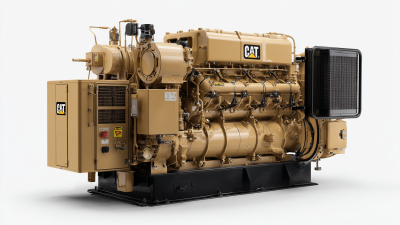
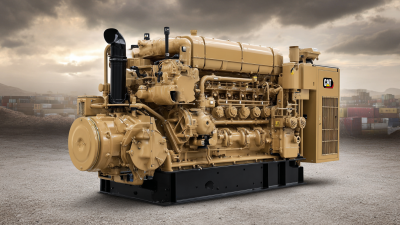
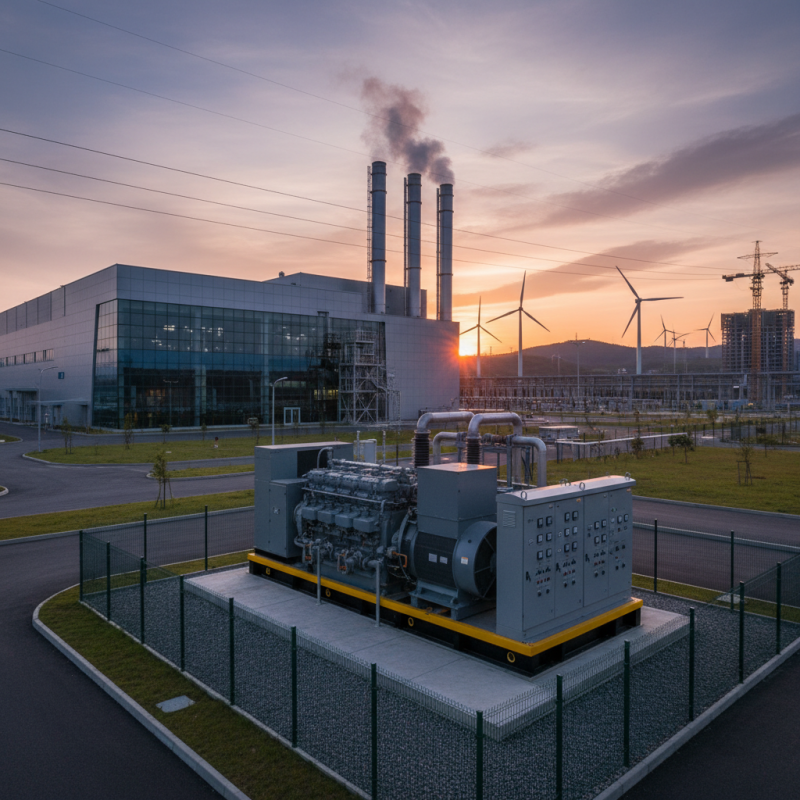
An industrial diesel generator is a critical machine used for large-scale power generation. Typically found in factories, construction sites, and commercial properties, these generators convert diesel fuel into mechanical energy. The mechanical energy is then transformed into electrical energy through an alternator. According to a report by MarketsandMarkets, the industrial generator market is projected to reach $29.9 billion by 2025.
The diesel engines powering these generators are known for their durability and efficiency. They can operate for extended periods, even under harsh conditions. However, maintenance can often be neglected, leading to unexpected failures. Regular checks can prevent performance issues and extend the unit's lifespan. A study by the National Renewable Energy Laboratory mentioned that improper maintenance can reduce efficiency by up to 30%.
With rising energy demands, industrial diesel generators play a pivotal role. They provide backup power in emergencies, ensuring operational continuity. However, they are not without environmental concerns. Emissions from diesel generators contribute to air pollution. This has led many industries to explore cleaner alternatives. Balancing performance and environmental impact is a growing challenge in today's energy landscape.
Key Components of an Industrial Diesel Generator
Industrial diesel generators play a crucial role in providing reliable power for various applications. Understanding their key components is essential for effective operation and maintenance.
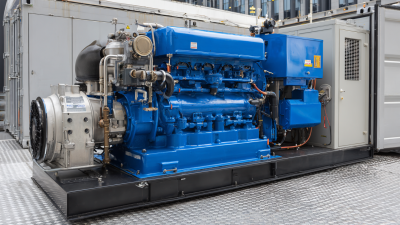
One of the primary components is the diesel engine. It converts diesel fuel into mechanical energy. The efficiency of modern diesel engines can reach up to 45%, according to industry reports. Next is the alternator, which transforms mechanical energy into electrical power. This component must be robust to handle varying loads without performance degradation. Fuel systems, including injectors and filters, ensure proper delivery and quality of diesel, impacting overall efficiency.
Cooling systems are another vital aspect. They regulate engine temperature, essential for avoiding overheating. Many generators utilize coolant fluid circulation to maintain optimal temperatures. Reports indicate that poor cooling can reduce engine lifespan by 30%. Finally, control panels allow operators to monitor performance. These panels provide real-time data about fuel levels, voltage output, and load conditions. Analyzing this data is essential for identifying potential issues early and ensuring continuous operation.
How Industrial Diesel Generators Generate Power
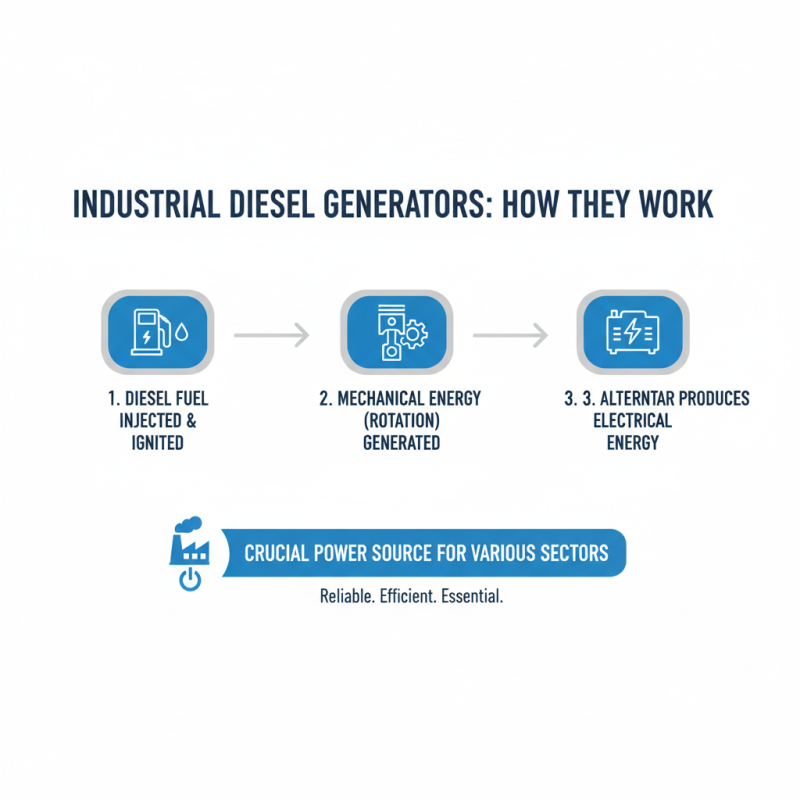
Industrial diesel generators (IDGs) are crucial power sources in various sectors. They operate based on the principle of converting diesel fuel into mechanical energy. This is achieved when the diesel engine ignites fuel, generating rotational energy. The engine powers an alternator, which then produces electrical energy.
According to a recent industry report, the global industrial generator market is projected to reach $25 billion by 2027. This surge reflects the need for reliable power in sectors such as construction, mining, and healthcare. IDGs can handle diverse loads, making them suitable for continuous and standby power applications. However, they often consume significant fuel, which raises operational costs and can impact sustainability goals.
IDGs also require regular maintenance to ensure efficiency. Neglecting upkeep could lead to breakdowns and inefficiencies. Additionally, environmental concerns are growing. Diesel emissions contribute to air pollution and health risks. Many industries face pressure to adopt cleaner energy solutions. Transitioning to alternative power sources remains a challenge, yet it is necessary for future sustainability.
Applications of Industrial Diesel Generators
Industrial diesel generators play a crucial role in various sectors. They provide a reliable power source for operations. These generators produce electricity by burning diesel fuel. Their efficiency makes them popular for many applications.
Construction sites often depend on these generators. They supply power for tools and lighting. This is especially important in remote areas. Events like concerts also use them. Generators ensure a steady power supply for sound and lighting equipment.
Health care facilities require uninterrupted power. Diesel generators act as backup systems. They support critical equipment during outages. However, diesel generators can have emissions issues. This raises environmental concerns. Users need to consider their impact and explore cleaner alternatives.
What is an Industrial Diesel Generator and How Does It Work? - Applications of Industrial Diesel Generators
| Dimension |
Details |
| Power Output |
50 kW to 3000 kW |
| Fuel Type |
Diesel |
| Cooling System |
Liquid-cooled |
| Applications |
Construction sites, hospitals, data centers, commercial buildings, mining operations |
| Run Time |
Up to 24 hours on a full tank |
| Noise Level |
60 dB to 95 dB |
| Control System |
Automatic and manual start options, monitoring and diagnostics |
| Maintenance |
Regular oil changes, filter replacements, and inspections required |
Maintenance Practices for Industrial Diesel Generators
Industrial diesel generators are crucial for various operations. Regular maintenance ensures they run efficiently. Neglecting upkeep can lead to costly issues.
Here are some key maintenance tips. Check the oil and fuel levels regularly. Dirty oil can damage the engine. Change the oil every 250 hours of operation. This simple step can extend the life of the generator.
Air filters must also be inspected. A blocked filter restricts airflow. This can cause combustion problems. Make it a habit to clean or replace filters every six months.
Another good practice involves battery care. Corrosion can cause starting issues. Clean battery terminals and connections often. Listen for unusual noises. They may indicate an underlying problem that needs addressing. Regular checks help avoid unexpected downtime.
Industrial Diesel Generator Maintenance Practices