What is a Hand Valve and How to Choose the Right One?
Hand Valves play a crucial role in various industrial applications. These valves control the flow of fluids and gases, ensuring safety and efficiency. According to a report by Grand View Research, the global valve market is projected to reach $93.5 billion by 2025, highlighting the growing importance of reliable hand valves in multiple sectors.
Selecting the right hand valve is essential for optimal performance. Factors like material, pressure rating, and application context are key considerations. A poorly chosen valve can lead to leaks, system failures, and safety hazards. In fact, the cost of improper valve selection can reach up to 20% of total system costs, indicating the need for careful planning.
Though hand valves might seem straightforward, their selection is often misunderstood. Many engineers overlook the nuances of different types. This can result in inefficiencies that impact operation. Recognizing these details is vital. A hand valve is not just a simple device but a critical component in maintaining the integrity of fluid systems. Proper selection enhances reliability and longevity.
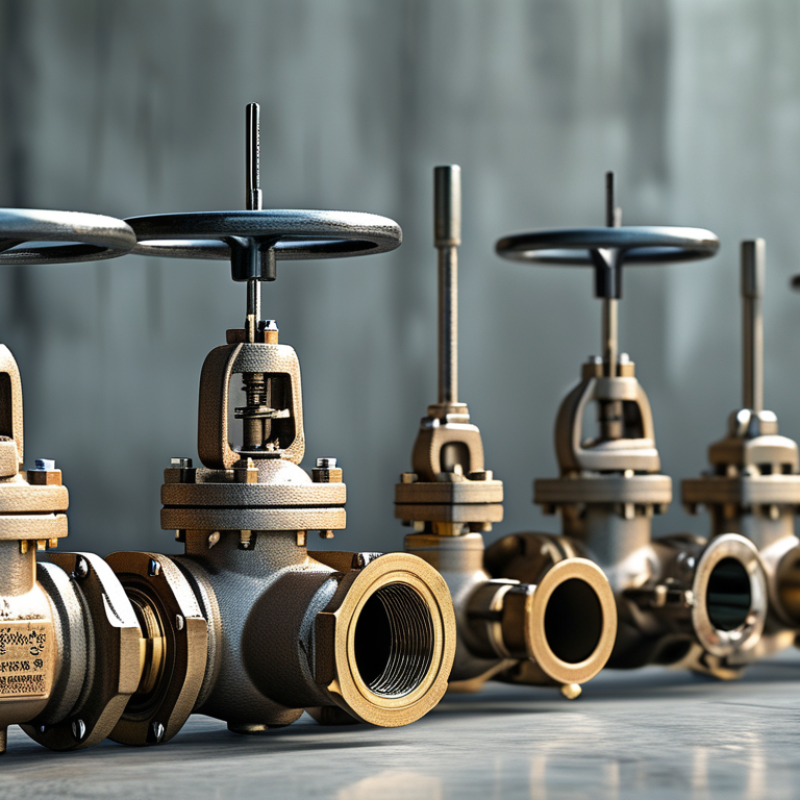
Understanding the Functionality of Hand Valves in Fluid Systems
Hand valves play a crucial role in fluid systems. These valves control the flow and direction of liquids and gases. They are manual devices, allowing operators to manage the flow rate effectively. Industry reports show that hand valves can reduce fluid loss by up to 30% when used properly. This efficiency can lead to significant cost savings over time.
Choosing the right hand valve is essential. Factors include size, material, and intended use. For example, stainless steel valves are often preferred for corrosive environments. According to a recent study, 70% of leaks can be traced back to improper valve selection. Plus, understanding the specific requirements of your fluid system is vital. This entails considering pressure ratings and temperature ranges.
Despite the advantages, hand valves are not without challenges. User error can lead to system inefficiencies. Regular maintenance is also required to ensure optimal performance. Ignoring these aspects may result in unexpected downtime. Operators should be cautious and regularly assess their systems. Implementing best practices can mitigate risks significantly.
Data Comparison of Hand Valve Types
Types of Hand Valves and Their Specific Applications
Hand valves are essential components in various systems. Different types of hand valves serve unique purposes based on specific applications. Knowing these types can help in making informed decisions.
Ball valves offer quick shut-off capabilities. They are ideal for on-off control in fire protection systems. Their ease of use makes them a popular choice. Butterfly valves, on the other hand, are suitable for regulating flow in larger pipelines. These valves are compact and provide excellent flow control. They work well in water supply and wastewater management.
Gate valves are known for minimal flow restriction. They are often used in applications where full flow is crucial, such as in oil and gas industries. However, they cannot be used for throttling. Globe valves, conversely, excel in precise flow regulation. While they are great for controlling flow, they are not as suitable for high-pressure applications. Each type has its advantages and limitations, making it vital to understand their unique aspects for optimal results.
Key Factors to Consider When Selecting a Hand Valve
Selecting the right hand valve is crucial for optimal performance in various applications. First, consider the material of the valve. Common materials include brass, stainless steel, and PVC. Each material serves different purposes and environments. Using the wrong material can lead to leaks or failures. Understanding the fluid type is essential when making this choice.
Next, evaluate the valve’s size and pressure rating. A miscalculation in sizing can disrupt flow rates and efficiency. Ensure the valve can handle the system's pressure demands. Many users overlook this aspect. Always refer to pressure charts and user guides for guidance. Compatibility with existing systems reduces installation issues.
Another key factor is the handle type. Options include lever, wheel, and toggle handles. Choose one that offers easy operation for your specific application. A complicated handle can lead to user errors in high-pressure systems. It’s not just about function; ease of use improves reliability. Ultimately, clarity on these elements drives effective decision-making when selecting a hand valve.
Installation and Maintenance Tips for Hand Valves
Hand valves play a critical role in fluid control across various industries. Choosing the right hand valve requires attention to installation and maintenance practices. According to a recent market report, improper installation can lead to significant operational issues, with over 25% of equipment failures linked to valve malfunctions. Proper alignment during installation ensures optimal performance. Striking the right balance between torque and pressure is essential.
Regular maintenance intervals are vital but often overlooked. Inspecting seals and gaskets can prevent leaks that waste resources. In fact, leaking valves can account for about 13% of annual operational costs in some facilities. Developing a routine that includes lubrication checks and cleanings will extend valve life. Moreover, operators should document any adjustments made during maintenance. These records can help identify recurring problems and assist in planning future maintenance tasks.
Lastly, training staff on proper handling techniques cannot be understated. Misuse of hand valves can lead to safety hazards. Ensuring that all personnel are educated about valve functions can reduce mishaps. Inadequate training can result in over-tightening, which may damage components. Careful consideration of these aspects will support a more reliable operation.
Common Issues and Troubleshooting for Hand Valves
Hand valves play a critical role in various industrial applications. Despite their simplicity, they can encounter several issues that require careful troubleshooting. Common problems include leaks, sticking, and inadequate flow control. A recent industry report highlighted that over 30% of hand valve failures stem from improper maintenance practices. Regular inspections can help in identifying potential issues early.
Tips for maintaining hand valves: Inspect seals and packing regularly. Replace any worn components promptly. Use appropriate lubricants to prevent sticking. Operators should be trained to recognize signs of malfunction. Rushing repairs can lead to further damage and safety hazards.
Hydraulic systems often rely on hand valves for flow regulation. Failure to address common valve troubles can lead to system inefficiencies. Approximately 25% of operational downtime in facilities is linked to valve-related issues. Monitoring pressure and flow rates can provide insight into a valve's performance. Always document repairs and inspections to build a reliable maintenance history. Understanding a hand valve's limitations is essential for optimal performance.
What is a Hand Valve and How to Choose the Right One? - Common Issues and Troubleshooting for Hand Valves
| Valve Type | Material | Common Applications | Common Issues | Troubleshooting Tips |
| Ball Valve | Brass | Water, Oil | Leakage | Check seals, tighten connections |
| Gate Valve | Stainless Steel | Gas, Water | Sticking or Jamming | Inspect for debris, lubricate |
| Globe Valve | Cast Iron | Steam, Water | Wear and Tear | Replace worn parts, check alignment |
| Check Valve | PVC | Draining, Waste Water | Backflow Leaks | Inspect for blockages, ensure correct orientation |
| Pressure Relief Valve | Aluminum | Boiler Safety | Failure to Open | Check for corrosion, test for functionality |
