How to Effectively Passivate Stainless Steel for Global Buyers?
Passivating Stainless Steel is a crucial process for enhancing corrosion resistance. This method creates a protective layer on the surface of the steel. By doing so, it helps prevent rust and other forms of degradation. Global buyers need to understand the best practices for passivating stainless steel. This knowledge is essential for ensuring product longevity and performance.
Understanding the specifics of passivation is vital. The choice of chemicals, time, and temperature can greatly affect outcomes. Many buyers may struggle with selecting the right methods. Each stainless steel grade may require a unique approach. The goal is to achieve reliable and durable results over time.
It's also important to consider potential pitfalls. Inconsistent practices can lead to inadequate passivation. This may cause vulnerabilities in the material. Carefully evaluating suppliers and methods is necessary. Reliable information and expertise in the field can guide effective decision-making. By focusing on passivating stainless steel, buyers can contribute to the long-term success of their projects.
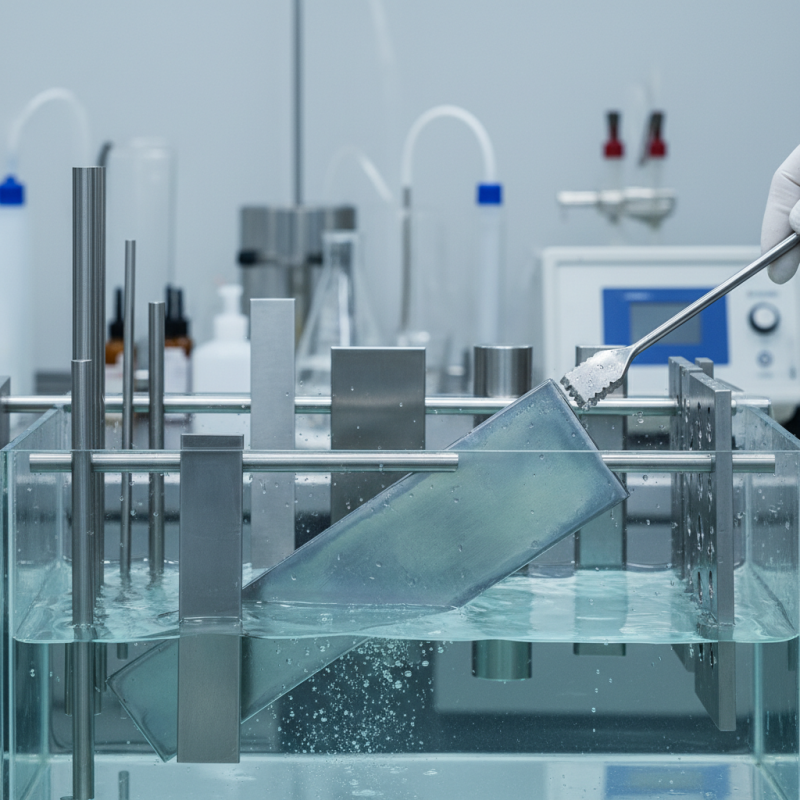
Understanding Passivation: Definition and Importance for Stainless Steel
Passivation is a vital process for enhancing stainless steel's corrosion resistance. This technique involves treating the metal's surface with an acid solution, typically nitric acid. The treatment removes free iron and other contaminants, creating a protective oxide layer. This layer is essential for maintaining stainless steel's integrity in various environments.
Understanding passivation is crucial for buyers in industries where stainless steel is essential. The effectiveness of this process can significantly affect the lifespan of the materials used in products. Failure to properly passivate stainless steel can lead to premature corrosion, resulting in costly repairs. Although many manufacturers offer passivation, not all adhere to the same standards, leading to variability in quality.
It's important to ensure quality control throughout the process. Inconsistent passivation can result in a weak protective layer, which does not provide adequate defense against environmental factors. Buyers need to communicate their requirements clearly and potentially invest in third-party inspections. Mistakes in passivation can't always be rectified easily, making this an area ripe for scrutiny and improvement.
The Passivation Process: Step-by-Step Methodology
The passivation process for stainless steel is crucial for enhancing corrosion resistance. It involves removing free iron and other contaminants from the surface. This step is vital to ensure the longevity and durability of the stainless steel products. Using a citric acid solution or nitric acid is common in this process. The choice of solution affects the efficacy of passivation.
Once the solution is prepared, it’s essential to immerse the stainless steel items for a specific time, usually around 30 to 60 minutes. After immersion, rinsing with deionized water is necessary. This step ensures that all chemicals are washed away, leaving a clean surface. Following this, drying the stainless steel with clean, lint-free cloths prevents water spots and additional oxidation.
However, some issues can arise. Incomplete rinsing may leave residues that lead to corrosion. It’s also easy to overlook the importance of environmental conditions during the passivation process. For instance, high humidity can affect drying, while low temperatures may slow the reaction. These factors should be considered to achieve optimal results in passivation.
Passivation Effectiveness of Different Stainless Steel Grades
Choosing the Right Passivation Solution for Stainless Steel Products
Choosing the right passivation solution for stainless steel products is critical for ensuring longevity and performance. Passivation enhances corrosion resistance by removing free iron and other contaminants from the surface. According to a report by the European Stainless Steel Federation, proper passivation can reduce corrosion rates by up to 80%.
Different methods exist, including nitric acid and citric acid passivation. Nitric acid passivation is widely used but may not be suitable for all stainless steel grades. Citric acid offers a more environmentally friendly option. The choice depends on the specific application and environmental regulations. Yet, not every manufacturer may have expertise in these nuances. This can lead to ineffective passivation processes. Consequently, the final product might not meet industry standards.
Quality assurance remains a challenge. Many industries fail to conduct regular testing of their passivation processes. An inadequate passivation layer can expose stainless steel to aggressive environments. Data from the American Society for Testing and Materials highlights that nearly 30% of stainless steel failures are linked to improper surface treatments. Buyers should seek suppliers who prioritize effective passivation methods, ensuring compliance with rigorous standards.
How to Effectively Passivate Stainless Steel for Global Buyers?
| Passivation Method | Chemical Used | Process Duration | Temperature | Applications |
| Citric Acid Passivation | Citric Acid | 30-60 minutes | 20-60°C | Food Processing, Medical Equipment |
| Nitric Acid Passivation | Nitric Acid | 20-30 minutes | 20-80°C | Aerospace, Oil and Gas |
| Electropolishing | Electrolytic Solution | 3-10 minutes | 20-45°C | Pharmaceutical, Semiconductor |
| Chemical Passivation | Mixed Acids | 10-20 minutes | Room Temperature | Industrial Equipment, Automotive |
Best Practices for Ensuring Effective Passivation Results
Passivating stainless steel is a crucial step in maintaining its durability and resistance to corrosion. The process involves removing free iron and contaminants from the surface. This enhances the chromium oxide layer, which is vital for corrosion resistance. To achieve effective passivation results, attention to detail is essential.
One best practice is to select the right passivation solution. Different alloys may require specific treatments. It’s important to prepare the surface properly. A thorough cleaning before passivation removes oils and residues. Using hot water or solvent cleaning methods can achieve this. However, individual handling may vary, sometimes leading to inconsistent results.
Timing during the passivation process is another factor to consider. Overexposing stainless steel to the passivation solution can lead to diminished protective qualities. Testing small batches before scaling up can ensure effectiveness. While following these practices can enhance results, ongoing evaluation is necessary. Regular audits can help identify areas for improvement. Balancing the technique with experience is key to mastering the passivation process.
Common Challenges in Stainless Steel Passivation and How to Overcome Them
Passivating stainless steel can be complex. One common challenge is the presence of contaminants. These contaminants can include grease, dirt, or residual chemicals from manufacturing. Removing these impurities is crucial for effective passivation. A thorough cleaning process using mild alkaline solutions often helps. However, achieving complete cleanliness can be tricky. Incomplete cleaning can lead to corrosion and surface inconsistencies.
Another issue is determining the right passivation method. There are various techniques, such as citric acid or nitric acid treatments. Each method has its strengths and weaknesses. Misunderstanding these methods can result in inadequate passivation. It's essential to conduct small-scale tests before committing to a large batch. This ensures the chosen method yields the desired results.
Moreover, maintaining an optimal environment for passivation can be challenging. Temperature and humidity significantly affect the process. Too high humidity can lead to moisture contamination. This can hinder the formation of a protective layer. Regular monitoring of environmental conditions can aid in achieving consistent outcomes. Adapting to these variables is a continual process that requires close attention.
