What is a diesel generator and how does it work?
A diesel generator is a powerful machine used to produce electricity. It operates by converting diesel fuel into electrical energy through a specific process. This technology is crucial for various applications, from providing backup power to supporting remote areas lacking electrical infrastructure.
The diesel generator works by using an internal combustion engine. As diesel fuel ignites, it generates power, driving the generator smoothly. The design ensures efficiency and reliability. These generators are favored for their durability and ability to function in challenging conditions. However, they also have limitations, such as noise and emission concerns.
Understanding these machines is essential for effective use. Proper maintenance can enhance their lifespan. Even experienced operators must consider fuel quality and environmental impact. Exploring the workings of a diesel generator reveals both advantages and challenges. Balancing performance with responsibility is vital for users and industries alike.
What is a Diesel Generator?
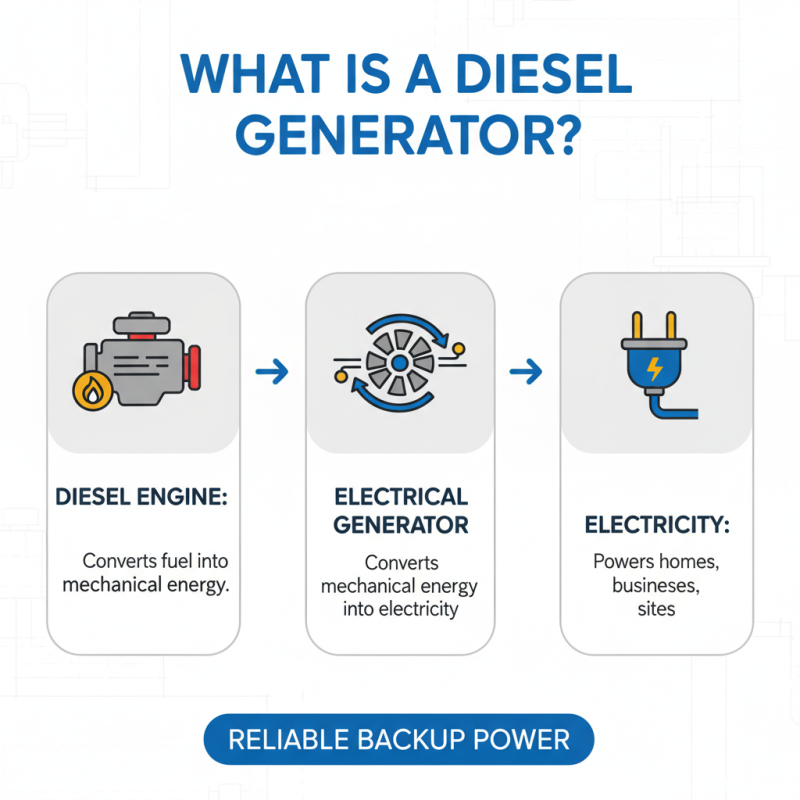
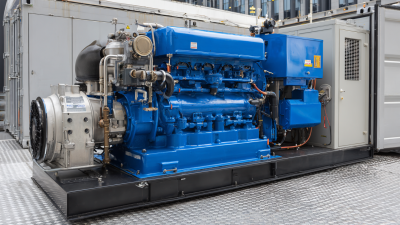
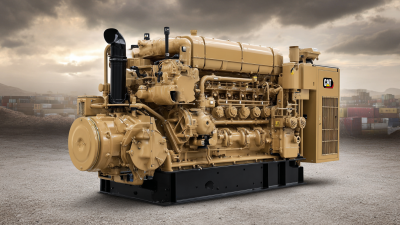
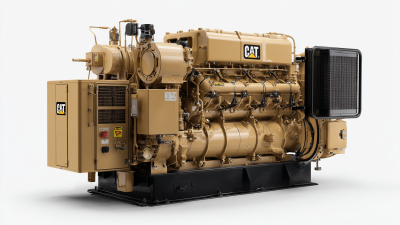
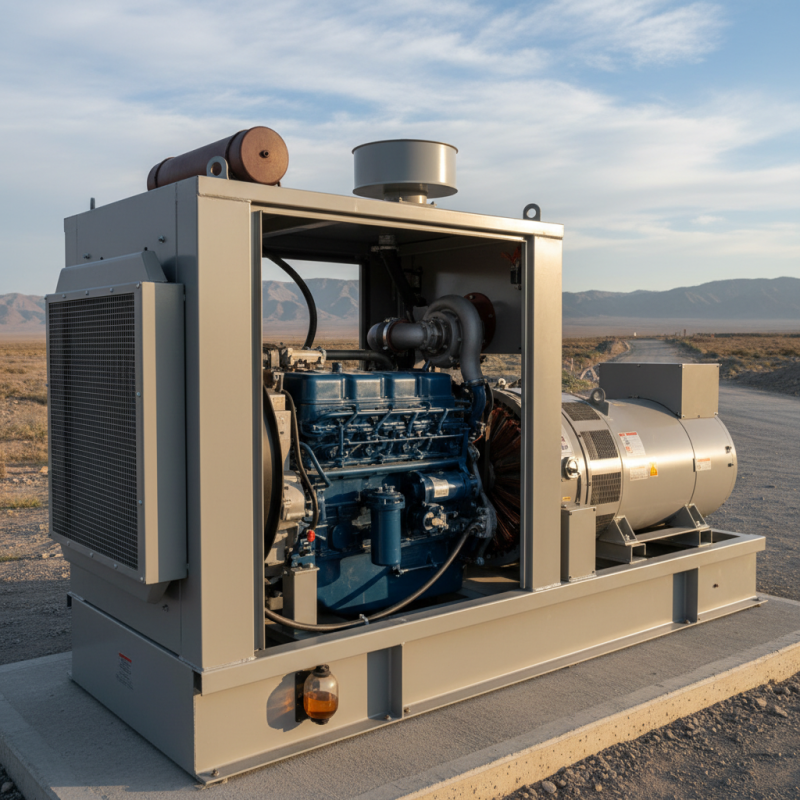
A diesel generator, often referred to as a diesel gen-set, is a combination of a diesel engine and an electrical generator. This setup is designed to convert mechanical energy from the engine into electrical energy. When the engine burns diesel fuel, it powers the generator, which produces electricity. Diesel generators are widely used for backup power in homes, businesses, and construction sites. Their reliability in emergency situations is well-known.
The operation of a diesel generator involves several key components. The engine compresses diesel fuel and air, igniting the mixture to create high pressure. This pressure drives the pistons, turning the engine's crankshaft. The crankshaft connects to the generator, converting mechanical motion into electric current through electromagnetic induction. The simplicity of this process contributes to the durability and effectiveness of diesel generators. However, maintenance is crucial. Neglect can lead to performance issues and reduced lifespan.
While diesel generators offer dependable power, they are not without flaws. Fuel availability can pose a challenge in remote areas. Noise levels can also be significant, making them unsuitable for quiet environments. Furthermore, environmental concerns around diesel emissions require reflection and adaptation. Diesel technology continues to evolve, addressing these issues to improve efficiency and reduce impact. A careful examination of their uses can lead to better practices in energy reliance.
The Main Components of a Diesel Generator
A diesel generator is a reliable power source, especially in remote areas. Its efficiency largely comes from its main components. Understanding these components is crucial for optimal performance.
The engine plays a key role. It converts diesel fuel into mechanical energy. This energy drives the alternator, which then produces electricity. According to industry reports, these engines can achieve up to 40% thermal efficiency under optimal conditions. However, factors like maintenance and fuel quality can impact this percentage.
Another important part is the fuel system. It stores and supplies diesel to the engine. A well-designed fuel system ensures that the engine runs smoothly. Regular checks can prevent clogging and fuel pump issues.
Finally, the control panel monitors the generator's performance. It provides vital information like voltage and frequency. While these controls are generally reliable, they can fail under extreme conditions. Regular inspections are recommended to ensure everything works correctly.
How Diesel Generators Produce Electricity
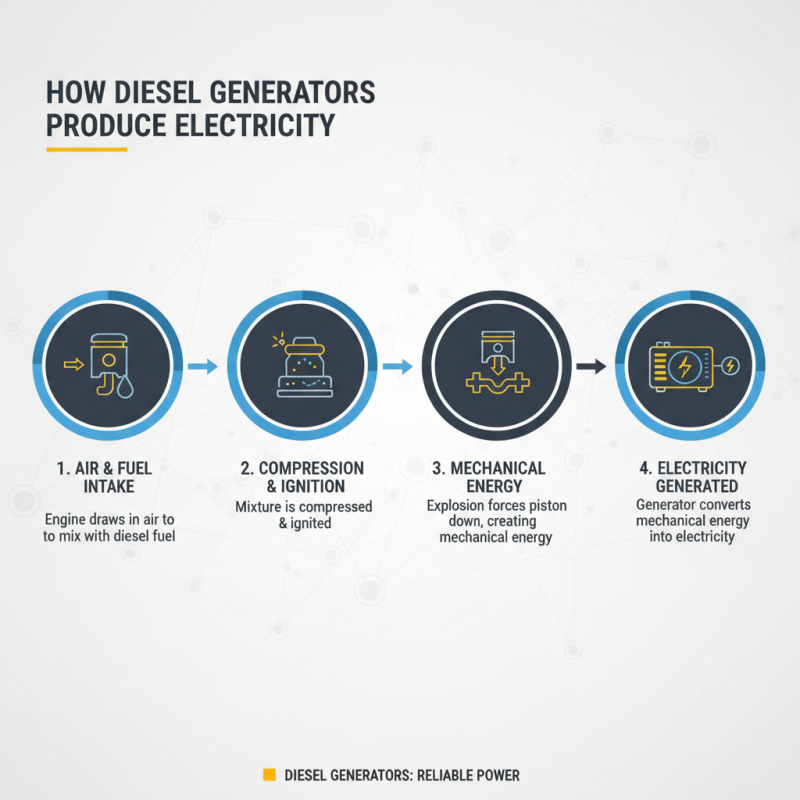
Diesel generators are a vital source of power. They convert diesel fuel into electricity through a series of processes. This conversion begins with the engine drawing in air to mix with the fuel. The mixture is then compressed and ignited. The resulting explosion forces the pistons down, producing mechanical energy.
This mechanical energy is transferred to a generator. The generator consists of a rotor and stator. As the rotor spins, it creates a magnetic field around the stator. This induces an electrical current. The current generated is then sent out for use, powering homes, businesses, or machinery.
While diesel generators are efficient, they also come with challenges. Maintenance is crucial for reliable operation. There can be issues with fuel quality and engine wear. Users must be attentive to these factors. Regular checks can prevent downtime and ensure safety. Diesel generators provide essential backup power, but they require proper management to remain effective.
Efficiency and Performance Factors of Diesel Generators
Diesel generators are reliable power sources. They convert diesel fuel into electricity through combustion. Efficiency is a critical aspect of their performance. It directly impacts fuel consumption and operational costs. Factors like load demand, temperature, and maintenance play essential roles.
Load demand affects generator efficiency. When a generator operates under optimal load, it runs smoothly. However, low or excessive loads can lead to fuel waste and increased wear. Temperature also matters. Ambient conditions can impact engine performance. High temperatures may lead to overheating, while low temperatures can affect the starting process.
Maintenance is necessary to ensure optimal performance. Regular checks can prevent issues before they become serious. This involves inspecting filters, fuel systems, and oil levels. Ignoring these can lead to decreased efficiency. Diesel generators can be dependable, but they demand care and attention. Neglecting their needs can result in significant setbacks, affecting both operation and finances.
Efficiency and Performance Factors of Diesel Generators
Common Applications of Diesel Generators
Diesel generators play a crucial role in various settings. They are widely used in industries like construction, healthcare, and telecommunications. According to a report by MarketsandMarkets, the global diesel generator market is projected to reach USD 24.6 billion by 2027. This growth highlights the increasing reliance on diesel generators for backup power, especially in regions prone to outages.
In construction, these generators provide reliable power on job sites where electrical infrastructure is limited. They enable workers to operate heavy machinery and power tools without delay. Hospitals also depend on diesel generators. In an emergency, these generators ensure that life-saving equipment remains operational. Telecommunications companies utilize them to keep cell towers running during outages.
Tips: Regular maintenance can enhance the life of your generator. Check the fuel quality and change filters routinely. Monitoring load capacity can prevent overloading and potential outages. Diesel generators are effective, but users must remain aware of their environmental impact. Newer models are more efficient and less polluting, yet older models still present challenges. It’s important to assess both performance and environmental footprint closely.