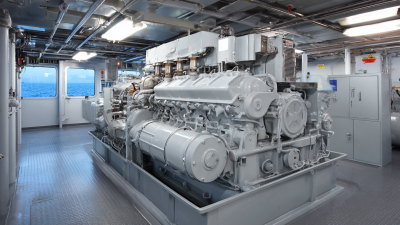
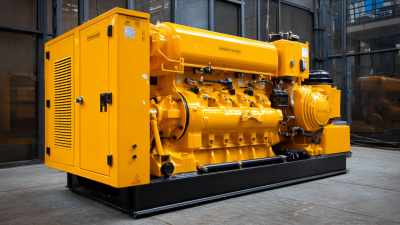
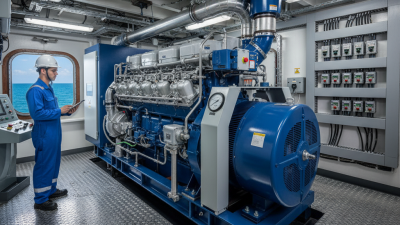
Why Choose Marine Generators for Your Boat or Yacht?
In the ever-evolving world of maritime travel, the importance of reliable power sources cannot be overstated. Marine generators play a crucial role in providing the necessary energy for various onboard systems, ensuring smooth sailing experiences. According to a recent industry report by Research and Markets, the global marine generator market is expected to reach $5.3 billion by 2025, reflecting a substantial growth rate driven by increasing recreational boating activities.
For boat and yacht owners, investing in quality marine generators can enhance comfort and convenience. These generators supply energy for lighting, navigation, and onboard appliances. Understanding the technical requirements, however, can be daunting. Many owners may overlook the significance of generator capacities, leading to underperformance during critical moments. It's vital to reflect on how marine generators can impact both safety and enjoyment during voyages.
In choosing the right marine generators, it is essential to consider both efficiency and sustainability. Innovations in generator technology have introduced more fuel-efficient models, contributing to lower emissions. Yet, choosing a generator based solely on specs may not be sufficient. Reflect on the balance between performance, cost, and environmental impact, ensuring a responsible choice that aligns with modern boating standards.
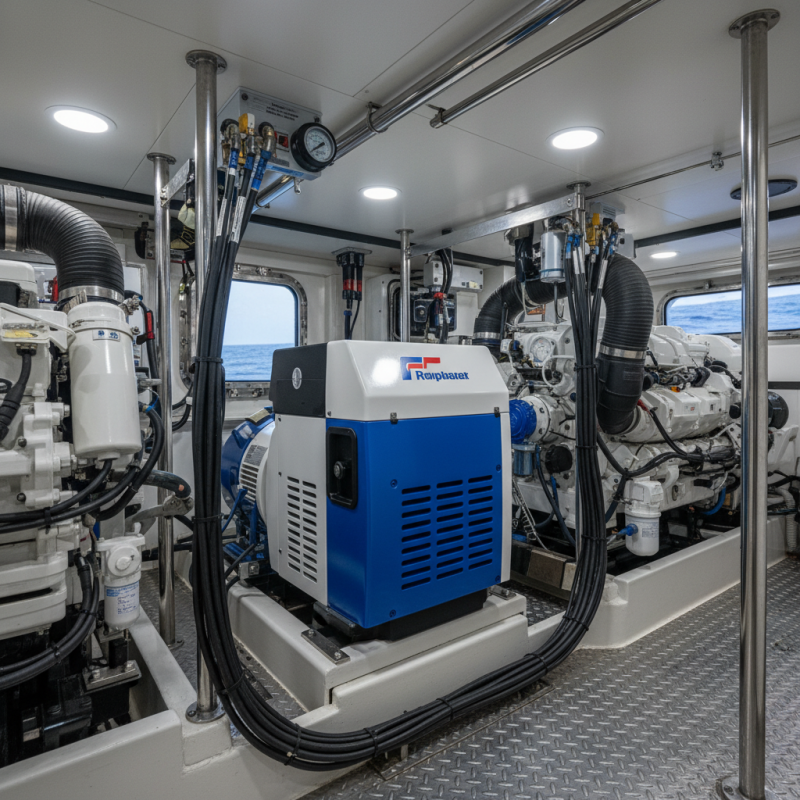
Benefits of Marine Generators for Nautical Power Supply
Choosing a marine generator for your boat or yacht is an essential decision. Reliable power supply is crucial. Marine generators provide several benefits, ensuring safety and comfort on the water. According to industry reports, around 70% of boat owners prioritize reliable power when choosing their equipment. This data highlights the significance of marine generators.
One key advantage of marine generators is their durability. Designed for harsh conditions, they withstand saltwater and rough weather. Reports suggest that marine generators last, on average, 25% longer than conventional generators in similar environments. This longevity translates into cost savings in the long run. Despite their high initial cost, they can lead to fewer maintenance issues.
Efficiency is another critical factor. Marine generators can maintain power output with low fuel consumption. Research shows that a well-chosen marine generator can reduce fuel costs by up to 30%. However, selecting the right size is vital; many owners underestimate their power needs. This miscalculation often leads to insufficient energy supply. Careful consideration of power requirements can prevent future inconveniences.
Types of Marine Generators Suitable for Boats and Yachts
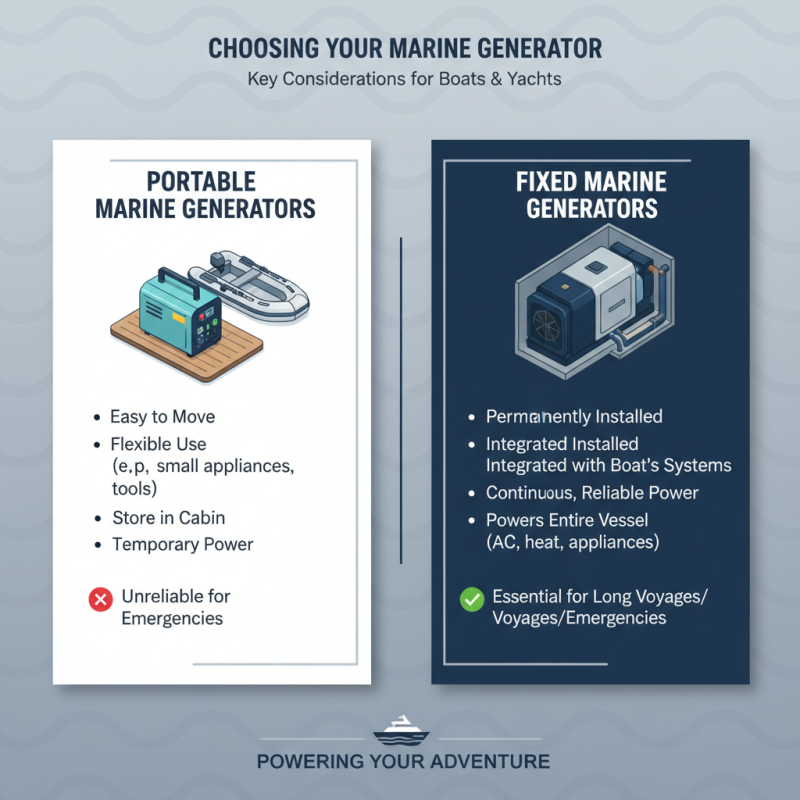
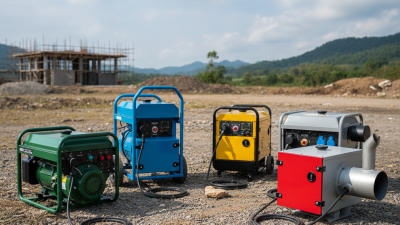
When choosing a marine generator for your boat or yacht, it's crucial to understand the different types available. There are mainly two categories: portable and fixed generators. Portable generators are easy to move. They offer flexibility for various boating activities. You can store them in a cabin when not in use. However, their temporary nature can be a problem during unexpected situations.
Fixed generators provide a reliable power source. They are often installed directly in the vessel. These generators are ideal for long trips. They can handle significant power loads. However, installation can be complex. It's important to assess your boat's space before choosing one. The weight distribution is also a concern.
Also, consider fuel types. Diesel generators are more fuel-efficient and last longer. But, they can be heavier and pricier. Gasoline generators are lighter and easier to find. Yet, they may require more frequent refueling. These choices can impact your overall boating experience. It’s essential to weigh the pros and cons carefully.
Key Features to Consider When Choosing a Marine Generator
When selecting a marine generator for your boat or yacht, several key features come into play. Power output is crucial. Depending on your energy needs, ensure the generator provides enough wattage for onboard systems. Consider the noise level as well. A quieter generator enhances the overall experience while cruising. Look at fuel efficiency too. A generator that conserves fuel can save you money during long trips.
Size and weight shouldn't be overlooked. A compact generator fits better on a boat. It’s also easier to install and transport. Check for ease of maintenance as well. A generator that allows easy access to parts can save time and effort in the long run. Don't forget about the starting mechanism. Electric start generators are convenient, especially in adverse weather.
Lastly, safety features are vital. Look for automatic shut-offs and circuit breakers, which prevent accidents. However, even the best generator design has limitations. Real-world testing often reveals performance issues. It’s worth seeking advice from fellow boaters or marine specialists. Their insights can highlight practical choices you might overlook. Whether it's the right size or maintaining quiet operation, every feature matters.
Why Choose Marine Generators for Your Boat or Yacht? - Key Features to Consider When Choosing a Marine Generator
| Feature |
Importance |
Specifications |
| Power Output |
Ensures sufficient energy for all onboard appliances |
1kW to 20kW options |
| Fuel Type |
Affects operating cost and efficiency |
Diesel, Gas, Hybrid |
| Noise Level |
Affects comfort on board |
Below 60 dB |
| Size and Weight |
Influences installation and space management |
Compact designs available |
| Durability |
Ensures long-term reliability in harsh marine conditions |
Corrosion-resistant materials |
Installation and Maintenance Tips for Marine Generators
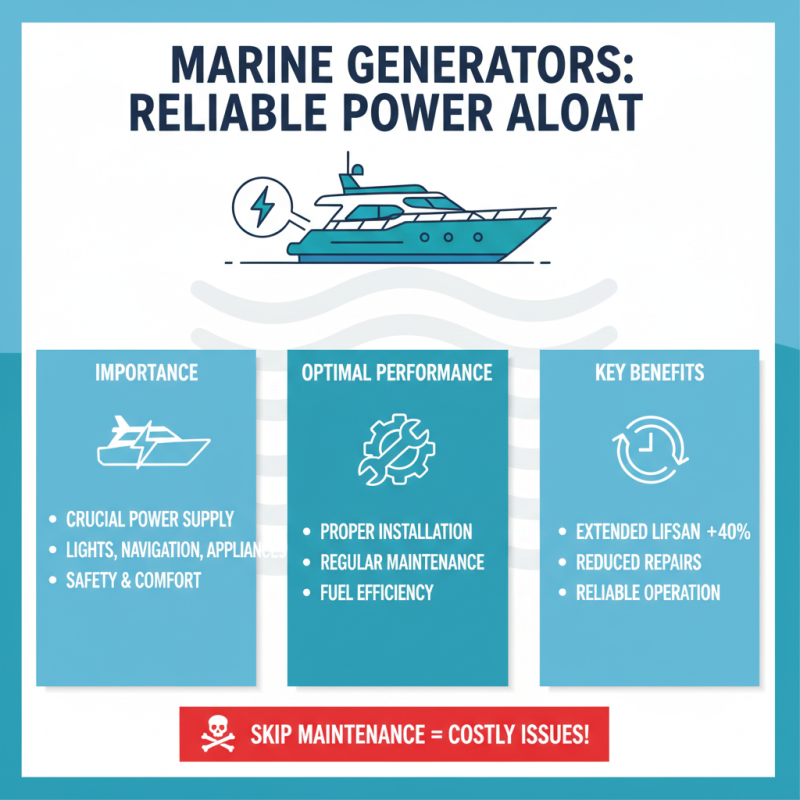
Marine generators are crucial for ensuring a reliable power supply on your boat or yacht. Proper installation and maintenance are essential for optimal performance. Many studies show that regular maintenance can extend the lifespan of marine generators by up to 40%. Skipping maintenance can lead to more significant issues and costly repairs.
When installing your marine generator, ensure it is well-ventilated to prevent overheating. Poor ventilation is one common oversight that can reduce efficiency. For best results, use soundproofing materials to minimize noise, creating a comfortable environment onboard.
Tip: Inspect fuel lines regularly. Faulty connections can lead to leaks, which can be dangerous at sea. Keeping your generator clean is equally important. Remove any debris or salt buildup to prevent corrosion. Regular maintenance checks can save you from unexpected failures during a voyage. Neglecting these tasks may seem minor but can have serious repercussions. Your boat deserves a dependable power source, so invest time in proper care.
Comparing Marine Generators with Other Power Sources at Sea
When considering power sources for your boat or yacht, marine generators stand out for several reasons. Unlike traditional generators, they are built to withstand the harsh conditions at sea. They operate quietly, minimizing disruption while you're enjoying the waves. Their compact size makes them easier to install in tight spaces on vessels.
Another option is solar power. It’s eco-friendly and low maintenance, but it depends heavily on sunlight. Cloudy days can leave you in a lurch. Wind turbines are another choice, but they require consistent wind. They may not generate power in calm conditions. Marine generators provide reliable energy, regardless of weather.
Maintenance is essential. Generators need regular checks to ensure performance. Neglecting this can lead to issues. Investing time in care can prevent breakdowns during important trips. Choosing the right source requires balancing reliability and efficiency. Marine generators often emerge as a dependable choice for power at sea.
Why Choose Marine Generators for Your Boat or Yacht?
Marine generators provide a reliable power source while at sea, especially when compared to traditional power sources. The following bar chart illustrates the advantages of marine generators over alternatives in terms of efficiency, maintenance, noise level, and cost.