
How to Choose a Marine Diesel Generator for Global Buyers?
Choosing a marine diesel generator is not simply a matter of comparing kilowatts and prices. Global buyers must match the generator with vessel size, operating waters, electrical loads, and maintenance capabilities. A fishing boat, offshore support vessel, and ocean-going cargo ship face very different demands. The right marine diesel generator should deliver stable power during starting surges, rough seas, and long periods of continuous operation.
Practical experience matters here. Engineers usually examine fuel consumption, rated speed, cooling design, noise levels, and access to filters and injectors. They also review classification requirements, emissions rules, and the vessel’s flag-state obligations. Certificates from recognized marine authorities can support confidence, but paperwork alone cannot prove performance. Factory testing, load-bank trials, and sea-trial records provide stronger evidence. A reliable supplier should explain these results clearly and provide traceable technical documents.
Service support often decides whether a generator remains dependable after installation. Buyers should check spare-parts availability, technician response times, warranty conditions, and remote troubleshooting options in their operating regions. A cheaper unit may become expensive when a vessel waits weeks for a control module. That risk is easy to underestimate. No checklist is flawless. Real operating conditions can expose weaknesses that laboratory tests miss. This guide explores how global buyers can compare specifications, lifecycle costs, compliance requirements, and supplier credibility before making a confident marine diesel generator decision. The goal is not to promote one brand, but to encourage careful evaluation based on evidence, experience, and the vessel’s actual mission.
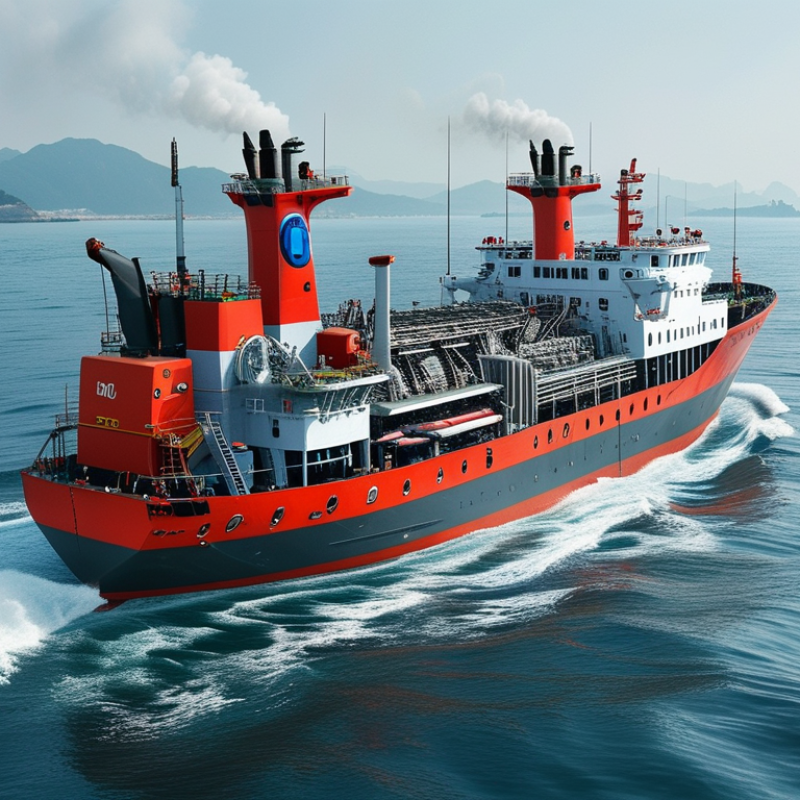
Define Vessel Load Profiles Using 25%, 50%, 75%, and 100% Demand Points
How to Choose a Marine Diesel Generator for Global Buyers?
A reliable generator choice starts with the vessel’s real load profile, not its largest connected load. Record demand at four points: 25%, 50%, 75%, and 100% of expected operating capacity. At 25%, navigation systems, alarms, pumps, and basic lighting may dominate. At 50%, accommodation loads and routine machinery usually enter the picture. The 75% point often reflects normal heavy service, while 100% represents cranes, compressors, thrusters, or simultaneous motor starts.
Measure these conditions during port operations, coastal passage, and rough weather. Hotel loads can change sharply when galleys, air conditioning, and water heaters operate together. A short 100% surge should not automatically define the generator’s continuous rating. Check motor-starting current, voltage recovery, and frequency stability separately. These details expose weaknesses that a simple nameplate comparison misses.
Use logged data whenever possible. A temporary power meter can reveal that a vessel spends most hours below 50%, which may indicate poor loading and wet-stacking risk for an oversized unit. Conversely, running near 100% for long periods leaves little reserve for fouled filters, hot seawater, or aging injectors. The first estimate is rarely perfect. Review it against sea trials and seasonal routes. Then assess fuel consumption, cooling capacity, exhaust limits, service access, and local electrical requirements. A two-generator arrangement may improve redundancy, but it can increase maintenance and low-load operation. The best selection reflects actual duty cycles, not an impressive maximum figure.
| Vessel Application | Reference Generator Rating (Electrical Output) |
Demand Point | Estimated Connected Load | Estimated Fuel Consumption (L/h) |
Typical Operating Condition | Selection and Operating Guidance |
|---|---|---|---|---|---|---|
| Workboat / Small Utility Vessel | 100 kW | 25% | 25 kW | 8 | Hotel loads, lighting, navigation equipment | Suitable for low-demand standby periods; prolonged operation at this load should be reviewed for engine loading and wet-stacking risk. |
| 50% | 50 kW | 14 | Normal cruising support and auxiliary services | Efficient operating region for routine service with moderate hotel and deck-equipment loads. | ||
| 75% | 75 kW | 21 | Winch, pump, crane, or cargo-handling operation | Appropriate for frequent working loads when starting currents and motor acceleration are properly evaluated. | ||
| 100% | 100 kW | 28 | Peak operational demand or emergency power transfer | Use as a design ceiling rather than a continuous target; confirm overload capacity and ambient derating. | ||
| Fishing Vessel / Coastal Cargo Vessel | 250 kW | 25% | 63 kW | 17 | Transit at low auxiliary demand | Represents refrigeration standby, navigation, accommodation, and essential auxiliary systems. |
| 50% | 125 kW | 31 | Routine passage and processing support | Common planning point for combined hotel, refrigeration, pumps, and workshop loads. | ||
| 75% | 188 kW | 45 | Fishing gear, cargo pumps, refrigeration, or deck machinery in use | Check motor-starting voltage dip, harmonic distortion, and simultaneous operation of large inductive loads. | ||
| 100% | 250 kW | 60 | Maximum planned operational load | Allow additional margin for future equipment, seawater temperature, altitude, and fouled heat exchangers. | ||
| Offshore Support Vessel / Research Vessel | 500 kW | 25% | 125 kW | 30 | Standby, dynamic positioning preparation, or light transit | Low-load operation may require load-bank management or generator-paralleling controls during extended periods. |
| 50% | 250 kW | 57 | Standard mission operation | Generally provides a balanced point between fuel economy, thermal loading, and reserve capacity. | ||
| 75% | 375 kW | 84 | Heavy hotel load, scientific equipment, cranes, or DP-related auxiliaries | Verify transient response, redundancy philosophy, and compatibility with variable-frequency drives. | ||
| 100% | 500 kW | 112 | Peak mission load or loss-of-generator contingency | Confirm continuous rating, short-circuit performance, protection coordination, and classification requirements. | ||
| Ferry / Large Commercial Vessel | 1,000 kW | 25% | 250 kW | 58 | Port operation, hotel load, and essential services | Consider multiple-generator operation so that online units remain within an efficient loading range. |
| 50% | 500 kW | 110 | Normal service with passenger or cargo systems active | Useful reference point for estimating daily fuel consumption and generator running hours. | ||
| 75% | 750 kW | 162 | Peak hotel load, thrusters, pumps, or cargo equipment | Evaluate load sharing, step-load acceptance, cooling capacity, and exhaust-system back pressure. | ||
| 100% | 1,000 kW | 220 | Maximum continuous design load or emergency recovery condition | Do not size solely for average demand; include starting loads, redundancy, reserve margin, and regulatory limits. |
Related Posts
-
Top 5 Marine Diesel Generators for Optimal Performance?
-
2026 Best Marine Diesel Generator for Global Buyers?
-
2026 How to Maintain a Cummins Diesel Engine for Optimal Performance?
-

How to Choose the Best Lister Generator for Your Needs?
-
Discover the Best Yanmar Diesel Generator for Global Buyers?
-

How to Power Diesel Engines for Optimal Performance and Efficiency