How to Choose Arc Shape Multi Wire Saw for Precise Cutting?
In the realm of advanced cutting technology, choosing the right equipment is crucial. An expert in the field, Dr. Emily Chen, has emphasized, "The precision of cuts is directly influenced by the type of wire saw used." This statement highlights the importance of selecting an appropriate Arc Shape Multi Wire Saw for various applications.
Arc Shape Multi Wire Saws are designed for complex shapes and fine details. Their unique configuration allows for smooth transitions and intricacies that flat wire saws may struggle to achieve. Moreover, the material of the wire and its tension play significant roles in the effectiveness of the saw. Users must consider these factors carefully.
Despite the advantages, mistakes can often arise in the selection process. A common error is overlooking the required thickness and type of material to be cut. This can lead to inefficient cuts and wasted resources. Evaluating the operational environment and specific project demands is essential for optimal performance in precision cutting.
Understanding Arc Shape Multi Wire Saws and Their Applications
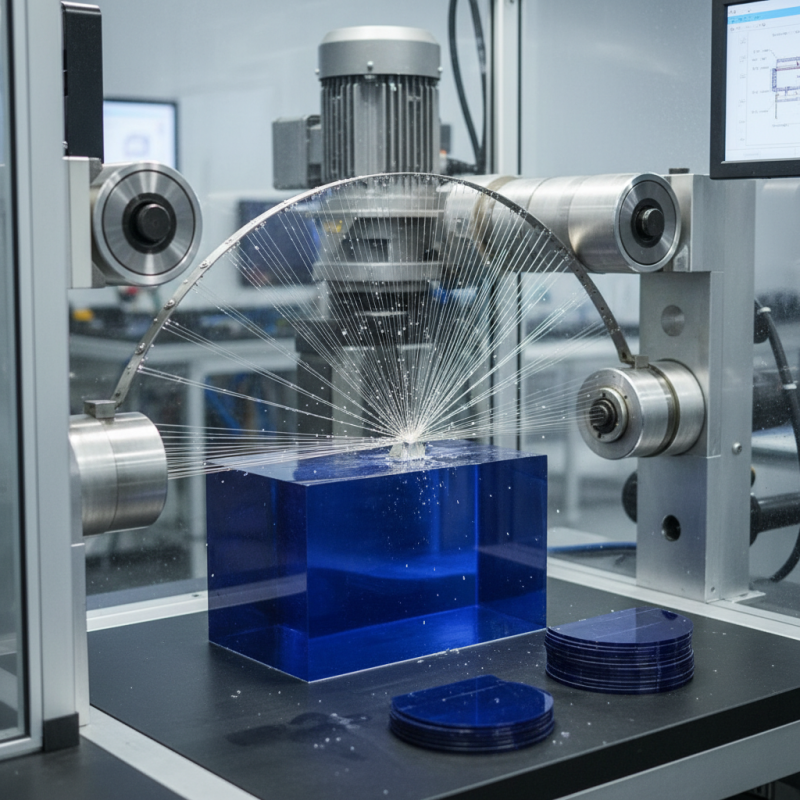
Arc shape multi wire saws are essential tools in various industries, particularly for precise cutting applications. These saws are designed to handle various materials, enabling intricate cuts that traditional saws cannot achieve. Their unique arc shape allows for more efficient material removal and reduced cutting stress. This design helps maintain the integrity of the material being cut, often resulting in a cleaner finish.
Understanding the different applications of arc shape multi wire saws is crucial. These saws shine in the production of complex components found in sectors such as electronics, aerospace, and automotive. An effective choice of saw can lead to improved precision and reduced waste. However, selecting the right saw requires careful consideration of the material and thickness. In some cases, users might find inconsistencies in cutting quality. It’s important to assess these factors continuously to ensure optimal performance.
In selecting an arc shape multi wire saw, experience plays a significant role. Operators must be familiar with the machine's capabilities and the intricacies of the material being processed. While some may focus solely on the technical specifications, hands-on experience often reveals areas for improvement that specifications overlook. A balance of knowledge and practice can lead to more effective cutting strategies.
How to Choose Arc Shape Multi Wire Saw for Precise Cutting?
| Feature | Description | Importance |
| Wire Diameter | The thickness of the wire affects cutting speed and precision. | High |
| Arc Radius | Determines the minimum bend radius for cutting shapes. | High |
| Number of Wires | More wires can increase cutting efficiency and precision. | Medium |
| Saw Speed | Influences the overall cutting quality and time. | High |
| Cooling System | Prevents overheating during cutting, maintaining precision. | High |
| Material Compatibility | Different materials require specific wire types for optimal performance. | High |
| Ease of Setup | Faster setup results in less downtime during production. | Medium |
Key Factors to Consider When Choosing an Arc Shape Multi Wire Saw
When selecting an arc shape multi-wire saw, several key factors come into play. Precision is usually paramount. Different designs cater to various cutting thicknesses and materials. It's essential to match the saw's capacity with your specific cutting needs. Consider the diameter and number of wires. They can greatly impact cutting efficiency and quality. Higher wire counts often lead to finer cuts, but may be less durable.
You'll also want to evaluate the saw's stability during operation. A stable saw reduces vibrations, allowing for cleaner cuts. Instability might cause issues, leading to uneven surfaces. Check the frame construction. Strong materials are vital for consistent performance.
Another crucial factor is maintenance ease. A saw requiring frequent adjustments can slow down work processes and lead to frustration. In-depth knowledge of the machine's setup can save time and improve overall outcomes. Lastly, gauge the available support and resources from the manufacturer. Reliable customer service can be invaluable when facing technical issues. Understanding these factors will guide you in choosing the right saw for your projects.
Materials and Specifications: Finding the Right Fit for Your Needs
When selecting an arc shape multi wire saw, understanding materials and specifications is crucial. The right choice impacts cutting precision and efficiency. Recent industry reports indicate that for optimal performance, wire materials should have high tensile strength and low friction. Steel wires, for instance, exhibit excellent durability but may require coatings to reduce wear. Conversely, tungsten carbide wires offer superior rigidity but can be pricier.
Considering the specific application is vital. Different materials suit different types of cutting tasks. Recent studies show that diamond-coated wires provide unparalleled precision for hard materials like quartz and ceramics. On the other hand, softer materials might benefit from using simpler wire compositions. It's essential to assess the type of materials being cut. Misjudging material compatibility can lead to inefficient cuts and equipment wear.
Moreover, wire diameter directly affects cutting precision and speed. Narrow wires allow for intricate cuts but may compromise durability. Wider wires often cut faster but can lead to more significant material removal. The balance between speed and precision is delicate. An incorrect wire choice might lead to reflections on the efficiency of the cutting process. Regularly analyzing cutting quality can help improve future selections and performance.
Maintenance Tips for Maximizing the Performance of Wire Saws
Maintaining a wire saw is crucial for ensuring its effectiveness and longevity. Regular maintenance can enhance cutting precision and efficiency. A study found that properly maintained wire saws can improve cutting speed by up to 15%. Ignoring maintenance, however, often leads to decreased performance and costly repairs down the line.
Proper cleaning is essential. Dust and debris can build up quickly, affecting cutting quality. Operators should clean the saw after each use with a damp cloth and ensure that no particles are lodged in moving parts. In addition, lubrication of the wheel bearings and tensioning systems keeps the saw operating smoothly. Neglecting these steps may lead to unexpected breaks and inefficiencies.
Tension adjustment is another key factor. When the wire's tension is too loose, it can cause uneven cuts. Regularly checking and calibrating the tension helps maintain accuracy. Studies suggest that up to 30% of cutting errors are due to improper wire tensioning. This highlights the importance of staying vigilant about equipment status. Failing to adapt to these needs may result in wasted materials and labor.
Comparing Top Brands and Models of Arc Shape Multi Wire Saws
When selecting an arc shape multi wire saw, it's essential to explore various brands and models. Each model has unique features that cater to different cutting needs. Precision is vital in applications such as stone processing or any delicate materials. The right saw ensures clean cuts and minimizes wastage, which is crucial for both efficiency and cost-effectiveness.
Tips: Consider the wire diameter and tension settings. These factors significantly influence cutting precision. A wire too thick may cause rough edges. On the other hand, too thin wires may break easily, reducing reliability.
Many users overlook the importance of customer reviews. Feedback from professionals offers insights into each model's performance over time. Pay attention to common issues users face, such as durabilities, like wire wear and tear. It's common to find mixed experiences, which can help you gauge whether a specific saw suits your cutting requirements.
Evaluating the noise level and vibration is also essential. A quieter saw enhances the working environment. However, a powerful model may naturally produce more sound but could offer better cutting performance. Weighing these factors helps ensure a wise investment.
Arc Shape Multi Wire Saw Performance Comparison
