
China Top Indoor LED Billboard Suppliers for Global Buyers?

Choosing reliable China Top Indoor Led Billboard Suppliers for Global Buyers requires more than comparing prices. It demands practical product knowledge, factory verification, and clear communication from the beginning. An Indoor Led Billboard must match the venue, viewing distance, content type, and operating schedule. A fine-pitch display may suit a luxury showroom, while a brighter cabinet could perform better in a busy transport hall.

Experienced buyers usually examine pixel pitch, refresh rate, color consistency, cabinet weight, and front-service access. They also request videos of running screens, sample modules, factory photographs, and detailed technical sheets. A trustworthy supplier should explain LED brand options, control systems, spare-part planning, installation support, and warranty limits. Certifications matter too, but documents should be checked against the actual model. A certificate alone proves little.

Look closely.

Supplier evaluation should include production capacity, quality-control procedures, export experience, and after-sales response times. Ask how the company handles dead pixels, receiving damage, software issues, and replacement modules. Real project references can reveal details that brochures often hide, such as uneven brightness or delayed technical support. Still, no supplier is perfect. Some comparisons remain subjective because project conditions differ. Even experienced buyers can overlook ventilation, power distribution, or local installation skills. This guide presents a practical way to compare leading Chinese suppliers while recognizing those uncertainties. The goal is not to find the cheapest display, but a dependable Indoor Led Billboard that remains stable, serviceable, and visually consistent across years of daily use.
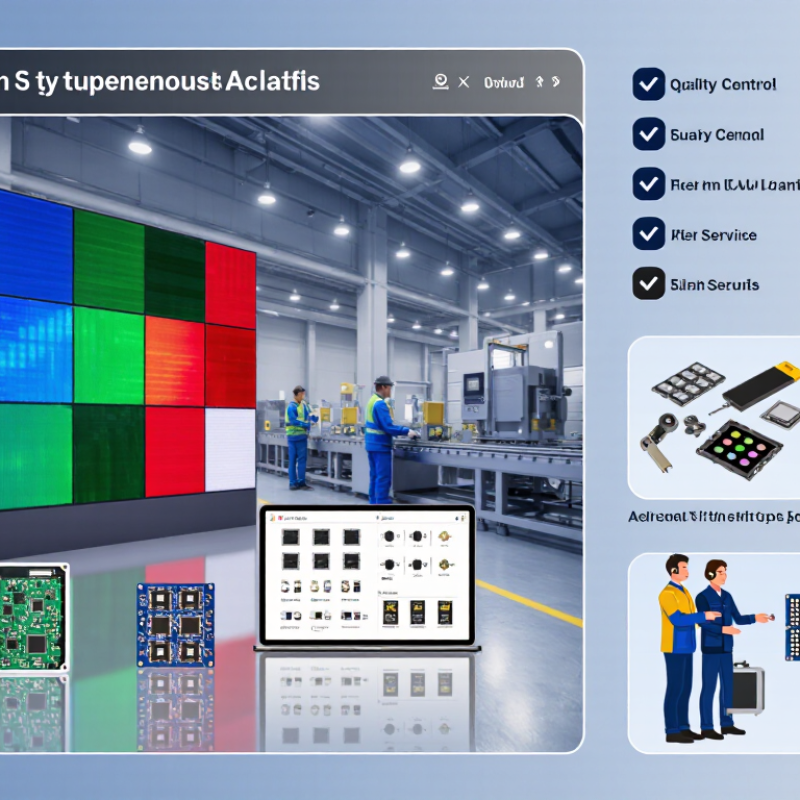
China Top Indoor LED Billboard Suppliers for Global Buyers?

Indoor LED Billboard Market Scope: 1.5–3.9 mm Pixel Pitch and 3840 Hz Refresh Rates

China Top Indoor LED Billboard Suppliers for Global Buyers?

The indoor LED billboard market is increasingly centered on 1.5–3.9 mm pixel pitch. A 1.5 mm display suits close viewing in reception areas and control rooms. Larger 2.5–3.9 mm pitches can work well in retail halls and event venues. Viewing distance matters more than impressive specifications. I have seen buyers choose ultra-fine panels, then discover that their audience stands several meters away.

A 3840 Hz refresh rate supports smoother video and cleaner camera footage. It helps reduce visible scanning lines during live broadcasts and recorded presentations. However, refresh rate alone does not guarantee image quality. Processing performance, grayscale handling, cabinet alignment, and calibration also deserve careful testing. Ask suppliers for real video samples, not only laboratory images. Check dark-scene uniformity and skin tones under normal indoor lighting.

Tips:

  • Match pixel pitch with the nearest audience distance.
  • Request a camera test at several shutter speeds.
  • Confirm brightness adjustment for dim rooms.
  • Review spare-parts support and installation guidance before ordering.
  • A small mistake can become expensive.
  • Also, inspect heat management and power stability during extended operation.
  • Product data may look complete, yet after-sales response can remain unclear. Require written specifications, measured test results, and a practical warranty process.

China’s Supplier Landscape: COB, SMD, and Fine-Pitch LED Technologies

China’s LED supplier landscape offers three practical paths: COB, SMD, and fine-pitch LED displays.

Each technology serves different indoor environments and viewing distances. COB packages protect LED chips with a sealed surface, improving durability in busy public spaces. They also reduce pixel damage risks during handling and installation. However, COB panels may cost more and require careful maintenance planning.

SMD displays

SMD displays remain widely used for retail walls, conference rooms, and control centers. They provide strong brightness, flexible cabinet sizes, and broad supplier availability.

Fine-pitch models

Fine-pitch models create smoother images when viewers stand close to the screen. Pixel pitches below 1.5 millimeters can support detailed presentations and premium advertising visuals.

Still, lower pitch does not automatically mean better performance. Processing quality, calibration, heat control, and power stability matter just as much. I have seen attractive samples fail during long operating hours. That experience makes factory inspection essential.

Tips:

Ask suppliers for cabinet samples, not only videos. Check grayscale performance under low brightness. Review front-service access and spare module availability. Request aging-test records and measured power data. Compare warranty terms in writing. Also, confirm whether the supplier can maintain color consistency across replacement panels.

No option is perfect. A thoughtful buyer should test real content, viewing distance, and installation conditions before approving production.

Technical Evaluation: Brightness, Viewing Angle, Color Accuracy, and Energy Use

China Top Indoor LED Billboard Suppliers for Global Buyers?

Technical Evaluation: Brightness, Viewing Angle, Color Accuracy, and Energy Use

Indoor LED billboards need controlled brightness, not maximum brightness. A practical target is often 800–1,500 nits for malls and transport halls. Excessive output can cause glare on polished floors and glass. The U.S. Department of Energy’s 2023 solid-state lighting research reports LED package efficacies above 150 lumens per watt in laboratory conditions. Complete displays usually perform worse because of power supplies, scanning circuits, and heat. Ask suppliers for cabinet-level wattage, not LED-chip efficiency.

Viewing angle deserves physical testing. Many specifications quote 140° or more, but contrast and color can weaken near the edges. Request measurements at 30°, 45°, and 60° from the screen center. For color accuracy, compare white balance and skin tones under real content. CIE 015:2018 recommends standardized color measurement practices, while Delta E values below 3 are generally considered difficult to notice in professional viewing. That threshold is not universal. Human perception, ambient light, and camera settings still interfere.

Tips: Require a calibrated sample before ordering. Measure brightness after warm-up. Check grayscale steps, not only colorful videos. Log power consumption during dark and bright scenes. Published energy figures can look impressively low. They may exclude control systems and peak loading. A site survey often reveals the uncomfortable gap between laboratory claims and daily operation.

Compliance and Reliability: CE, RoHS, EMC, and 100,000-Hour LED Lifespan Claims

For global buyers, compliance documents should be checked before pixel pitch or cabinet finish. CE marking indicates conformity with applicable EU requirements; it is not a universal quality certificate. RoHS restricts ten substances, including lead, mercury, cadmium, and four phthalates. EMC evidence matters too. Request test reports covering emissions and immunity, not only a supplier declaration. Relevant references include EN 55032 and EN 55035, where applicable to the equipment configuration. The exact standards depend on the product and destination.

The U.S. Department of Energy’s Solid-State Lighting R&D Opportunities report emphasizes measurable lumen maintenance. DOE technical literature commonly discusses LED life estimates from 25,000 to 100,000 hours. LED lifetime normally uses L70, meaning output falls to 70% of initial light. That is different from total failure. A 100,000-hour claim equals about 11.4 years of continuous operation. It may be credible only under stated temperature, drive current, humidity, and testing conditions. Ask for LM-80 data and TM-21 projections for the LED package.

Industry field experience shows installation quality can defeat impressive laboratory numbers. Dust, blocked ventilation, unstable power, and excessive brightness accelerate degradation. Photograph cabinet temperature during a long test. Keep serial-linked reports and a written warranty. One uncomfortable point remains: suppliers sometimes present package lifetime as display lifetime. That shortcut deserves challenge. Maybe reports are incomplete. A qualified independent laboratory can expose the gap before shipment.

100,000-Hour LED Lifespan Claim Under Different Usage Schedules

A 100,000-hour rating represents approximately 11.4 years of continuous 24-hour operation, 22.8 years at 12 hours per day, or 34.2 years at 8 hours per day. Global buyers should verify CE conformity, RoHS material compliance, EMC test evidence, and the LED manufacturer’s test conditions before treating the rated lifespan as a guaranteed service life.

Global Procurement Process: Pricing, Factory Audits, Warranty, Shipping, and Support

Buying an indoor LED billboard requires more than comparing pixel prices. Ask suppliers for a complete quotation covering cabinets, LED modules, control systems, spare parts, packaging, testing, and shipping. Confirm brightness, refresh rate, viewing distance, power use, and cabinet weight. A low quote may exclude critical items. I have seen attractive offers become expensive after freight and installation costs were added.

A factory audit should examine production records, aging-test areas, calibration equipment, and quality-control procedures. Request videos, but do not rely on videos alone. An independent inspection can verify cabinet dimensions, receiving cards, spare parts, and batch consistency. Check whether the supplier can provide test reports and export documents for your destination. Small details matter. Keep written specifications.

Warranty terms must state coverage, response time, replacement procedures, and exclusions. Clarify whether labor, remote diagnosis, and replacement shipping are included. A practical warranty should explain how defective modules are identified and returned. Some suppliers promise long coverage but offer vague support. That is a warning sign.

Before payment, confirm the shipping term, delivery schedule, crate protection, and insurance responsibility. Use a pre-shipment inspection when the order is large. Support should include installation guidance, software training, troubleshooting files, and access to qualified technicians. My own process is not flawless; remote diagnosis can miss heat, wiring, or voltage problems. Build time for testing after arrival, and keep spare modules on site. Reliable procurement comes from documented checks, not confident promises.

Go to Top