
What Is the Best Type of Skin Light Therapy Device?

Choosing the best Skin Light Therapy Device requires more than comparing glowing advertisements and attractive product photos. Market research shows why this category deserves careful attention. Grand View Research estimated the global LED light therapy market at approximately USD 1.2 billion in 2023, with continued growth expected through 2030. Fortune Business Insights also projects strong expansion, driven by home-use devices and demand for non-invasive skincare. These figures describe commercial momentum, not guaranteed skin results.

Dermatologist Dr. Dendy Engelman has described LED therapy as “a non-invasive, painless treatment that uses light to improve the skin.” That distinction matters. A red-light panel may support a different goal than a blue-light device, while near-infrared wavelengths can reach deeper tissue. The best choice depends on wavelength, irradiance, treatment distance, eye protection, session timing, and published clinical evidence. Small details matter. A mask that sits unevenly can leave parts of the face underexposed.

This guide will compare device types, wavelength claims, safety features, and realistic expectations. It will also separate FDA-cleared indications from marketing language, because clearance does not mean universal effectiveness. The American Academy of Dermatology Association notes that results can vary and that more research remains necessary for several cosmetic uses. That limitation should not be hidden.

A useful device is not always the strongest one. It is the one you can use consistently and safely. Even then, improvement may be subtle, gradual, or absent. That is the uncomfortable part. Claims should be questioned, specifications should be checked, and professional advice remains valuable for persistent pigmentation or sensitive skin.
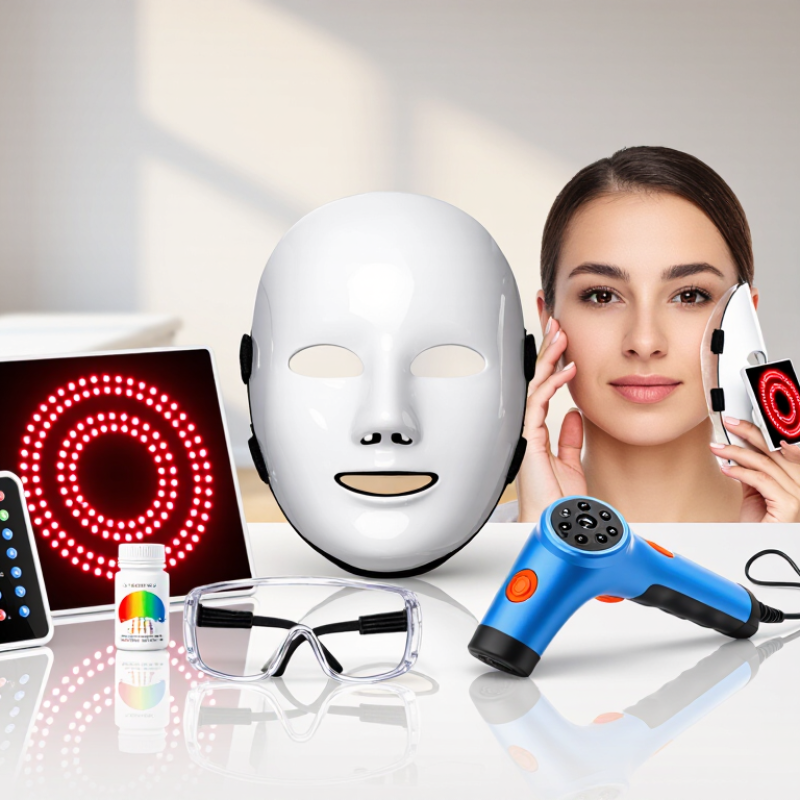
What Is the Best Type of Skin Light Therapy Device?

Types of Skin Light Therapy Devices and How They Work

What Is the Best Type of Skin Light Therapy Device?

The best device depends on the skin concern, treatment depth, and user’s tolerance. Red and near-infrared LED devices deliver low-energy light into superficial tissue. They may support cellular activity, reduce mild inflammation, and encourage collagen production. The evidence is promising, but not flawless. A 2023 clinical review reported improvements in fine lines after repeated red-light treatments, although study methods varied.

Blue LED devices work differently. They activate light-sensitive compounds linked to acne-causing bacteria. They do not bleach pigmentation. IPL devices use multiple wavelengths and target melanin or visible blood vessels. According to Grand View Research, the global LED light therapy market was valued at roughly 1.1 billion dollars in 2023. This growth reflects demand, not guaranteed results. Marketing often moves faster than clinical evidence.

Laser devices deliver narrower, stronger wavelengths. They can address selected pigment concerns more precisely, but professional assessment matters. Darker skin may face a higher risk of post-inflammatory pigmentation after aggressive treatment. UV phototherapy belongs to medical care, not casual cosmetic use. The American Academy of Dermatology recommends supervised treatment for conditions such as psoriasis and vitiligo. In practice, a gentle LED device may suit maintenance, while IPL or laser treatment requires trained evaluation. I would not treat a glowing mask as a shortcut. Consistent use, eye protection, and realistic expectations still matter.

Key Differences in Wavelengths, Energy Levels, and Treatment Methods

What Is the Best Type of Skin Light Therapy Device?

The best device depends on your pigment concern, skin tone, and tolerance. Wavelength matters more than a glossy design. Red light, commonly near 630–660 nanometers, may support skin repair and reduce visible inflammation. It does not directly erase melanin. Near-infrared light reaches deeper tissue, but evidence for lightening uneven pigmentation remains limited. Blue light, often around 415 nanometers, targets acne-related bacteria rather than dark spots.

Energy level is equally important. Home LED devices usually deliver lower irradiance and require repeated sessions. Professional systems may provide higher energy, but stronger treatment can trigger burns or post-inflammatory hyperpigmentation, especially in deeper skin tones. Dose depends on irradiance and exposure time, not power alone. More is not automatically better. That assumption needs challenging.

Treatment method also changes the risk profile. LED photobiomodulation uses repeated, non-thermal exposure. Intense pulsed light uses broad-spectrum flashes and can target certain brown spots, but it requires careful assessment and trained supervision. A qualified dermatologist should review your pigment type, medication history, and reaction to sunlight. Use proper eye protection and test a small area when appropriate. Results may be gradual, uneven, or disappointing. That uncertainty is real. Consistent photography under the same lighting can reveal changes that a bathroom mirror may hide.

How to Match a Device to Specific Skin Concerns

The best skin light therapy device depends on your specific concern, not its appearance or price. Start with the problem you want to address.

Red and near-infrared LED devices may support calmer-looking skin and reduce visible redness. They can suit mild inflammation and early signs of skin aging. Blue light is commonly selected for acne-prone skin because it targets acne-related bacteria.

Results are usually gradual. Evidence varies between devices, and home treatments often use lower energy than professional systems.

Match the technology carefully. For uneven tone from sun exposure, IPL may help selected users, but it requires cautious assessment.

Darker skin tones can face a higher risk of burns or unwanted pigmentation with some light-based treatments. Melasma needs extra care because heat may worsen it. A dermatologist should assess persistent patches before treatment.

Device fit also depends on safety and consistency. Check treatment wavelengths, eye protection, testing data, and clear usage instructions.

Use clean, dry skin and follow the recommended schedule. Do not increase treatment time for faster results. It can backfire.

A patch test is sensible. Stop if you notice blistering, severe irritation, or lasting color changes.

Photosensitizing medicines and certain skin conditions may require professional guidance. It is easy to expect dramatic change, but steady use and realistic goals matter more.

Safety Features, Skin Compatibility, and Possible Side Effects

Choosing a skin light therapy device requires more than comparing brightness or treatment time. Safety features should include automatic shutoff, controlled intensity, clear instructions, and certified eye protection. Avoid devices that emit ultraviolet light for cosmetic use, because UV exposure can damage skin and increase long-term risks.

Skin compatibility matters as much as performance. Red or near-infrared LED devices may suit some concerns, while blue light can irritate sensitive or very dry skin. People with melasma, deeper skin tones, active dermatitis, or a history of light sensitivity need extra caution. Certain medicines can also increase photosensitivity. A dermatologist or qualified clinician can review these risks before treatment.

Start with a small patch test and follow the recommended schedule. Clean, dry skin is usually easier to assess after each session. Stop if you notice persistent redness, blistering, swelling, eye discomfort, or uneven darkening. Mild warmth may occur, but pain is not a sign of better results. Not always. No device is perfect, and online before-and-after images can hide irritation or inconsistent lighting. Keep a simple treatment log, including duration and skin changes. It may reveal that a slower routine works better than pushing the highest setting.

What Is the Best Type of Skin Light Therapy Device? - Safety Features, Skin Compatibility, and Possible Side Effects

Device Type Typical Wavelength or Output Most Suitable Uses Skin Compatibility Important Safety Features Possible Side Effects Overall Suitability for Skin Brightening
Red LED Light Approximately 620–700 nm May support a more even-looking complexion, reduce the appearance of mild redness, and support skin-repair processes. Generally suitable for most skin tones and types because it does not intentionally target melanin. Eye protection when recommended, automatic timer, controlled light intensity, low-heat operation, and clear treatment-distance instructions. Temporary warmth, mild redness, dryness, headache, or eye discomfort if used incorrectly. Results are usually gradual. Good for general appearance; not a proven replacement for pigment-specific treatment.
Near-Infrared LED Light Approximately 700–1,400 nm, depending on the device Often used for skin-recovery support and the appearance of fine lines or inflammation. Usually compatible with a broad range of skin tones, but heat-sensitive or photosensitive users should seek professional advice. Temperature control, automatic shutoff, exposure-time limits, eye protection, and published irradiance information. Warmth, temporary redness, discomfort, or irritation; excessive heat may aggravate some inflammatory conditions. Potentially helpful for overall skin quality, but limited direct evidence for reducing hyperpigmentation.
Blue LED Light Commonly approximately 405–420 nm Primarily used for mild-to-moderate acne because blue light can affect acne-associated bacteria. Generally usable across skin tones; people with light sensitivity or certain eye conditions need extra caution. Appropriate eye shielding, automatic timer, low-heat design, and instructions for safe distance and treatment frequency. Dryness, temporary redness, irritation, headache, or eye sensitivity. It does not reliably lighten normal skin tone. Not a primary choice for pigmentation or overall skin lightening.
Intense Pulsed Light (IPL) Broad-spectrum flashes, commonly around 500–1,200 nm; specifications vary Sun spots, freckles, uneven pigmentation, facial redness, and some vascular concerns. Best suited to selected lighter-to-medium skin types. Higher melanin levels can increase the risk of burns or post-inflammatory hyperpigmentation. Skin-tone sensor, adjustable fluence, cooling contact surface, UV-blocking optics, test patch guidance, eye protection, and a treatment lockout system. Stinging, temporary redness, swelling, darkening or lightening of treated spots, blistering, burns, eye injury, and post-inflammatory hyperpigmentation. One of the more effective light-based options for selected pigmentation, but professional assessment is strongly recommended.
Pigment-Targeting Laser Examples include 532 nm, 755 nm, or 1,064 nm; the wavelength depends on the pigment and device Specific pigmented lesions, freckles, lentigines, tattoos, or selected forms of hyperpigmentation. Compatibility varies substantially by skin tone, diagnosis, wavelength, and settings. Darker skin requires careful specialist selection. Qualified operator, accurate diagnosis, calibrated fluence, cooling, wavelength-specific eye protection, test spots, and documented aftercare. Pain, redness, crusting, blistering, scarring, infection, temporary or permanent color changes, and recurrence of pigmentation. Potentially effective for diagnosed lesions, but not appropriate as a general-purpose home lightening device.
Ultraviolet (UV) Light UVA: approximately 315–400 nm; UVB: approximately 280–315 nm Certain medical conditions may be treated under specialist supervision, but UV is not intended for cosmetic skin lightening. Not appropriate for unsupervised cosmetic use across any skin tone. Medical supervision, prescribed dose, controlled exposure schedule, protective eyewear, and regular skin monitoring are essential. Sunburn, premature skin aging, increased pigmentation, eye damage, photosensitivity reactions, and increased long-term skin-cancer risk. Not recommended for cosmetic skin lightening.
Safety note: The safest choice depends on the cause of uneven pigmentation, skin tone, medications, medical history, and whether the device is intended for home or professional use. Perform a patch test when appropriate, follow the exposure schedule exactly, use recommended eye protection, and avoid light-based treatment on suspicious or undiagnosed skin lesions. Sunscreen remains essential because ultraviolet exposure can worsen pigmentation and reduce treatment results.

How to Compare Device Effectiveness, Convenience, and Cost

The best skin light therapy device depends on your target, not its glow or price. For uneven tone, compare wavelength, irradiance, treatment area, and safety testing. Red and near-infrared light may support skin recovery, while pigment-specific results remain less predictable. The American Academy of Dermatology notes that at-home devices are usually weaker than clinic equipment, so visible changes can take longer.

Evidence should guide your purchase. A 2022 systematic review in the Journal of Clinical and Aesthetic Dermatology found that many home LED studies used small samples and follow-ups shorter than 12 weeks. That matters. A bright mask is not automatically effective. Look for published clinical testing, clear dosage information, eye protection, and realistic treatment schedules. FDA clearance, where applicable, confirms a regulatory pathway; it does not guarantee dramatic lightening.

Convenience often decides whether treatment works in real life. A device requiring ten minutes, three times weekly, may outperform an expensive model left in a drawer. Check whether the fit is comfortable, the controls are simple, and replacement parts are affordable. Professional sessions can cost several hundred dollars per visit, while home devices commonly cost about 100 to 500 dollars, depending on specifications and region. Prices change. So do results. I would photograph the same cheek under identical daylight every four weeks, rather than trusting memory. Stop if burning, persistent redness, or worsening discoloration appears, and seek dermatological advice before continuing.

What Is the Best Type of Skin Light Therapy Device?

Comparing effectiveness, convenience, and cost across common device categories

This evidence-informed comparison uses a 1–5 planning index, where 5 is more favorable. IPL and non-ablative fractional lasers generally have stronger clinical support for selected pigmentation concerns, but they may require professional treatment, higher costs, and short recovery periods. LED devices are typically more affordable and convenient, although their effect on pigmentation is usually less predictable and may require a longer treatment course. Individual results depend on skin type, pigment cause, treatment settings, and sun protection.

The scores are comparative summaries rather than guaranteed clinical outcomes. Professional assessment is recommended before treating melasma, post-inflammatory hyperpigmentation, or other persistent discoloration.

Go to Top