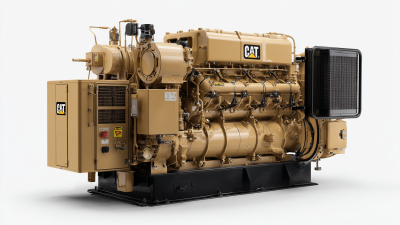
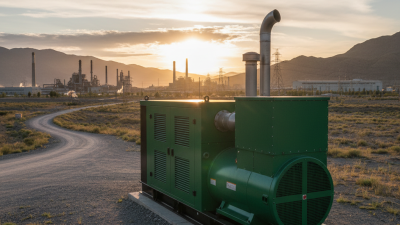
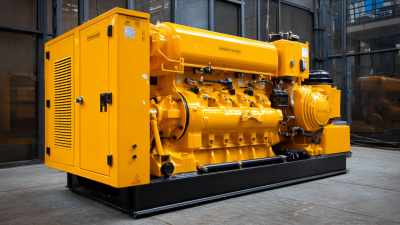
2025 Top Industrial Diesel Generator Features and Buying Guide
As industries continue to evolve, the reliance on dependable energy sources has never been more crucial. Among these sources, the industrial diesel generator stands out for its robust performance, fuel efficiency, and versatility. In various applications, from construction sites to manufacturing facilities, these generators provide a reliable power solution that can handle demanding loads and ensure smooth operations. With increasing advancements in technology, the 2025 models promise a range of features designed to enhance efficiency, reduce emissions, and improve user experience.
When it comes to purchasing an industrial diesel generator, understanding the multitude of features available is essential for making an informed decision. This buying guide will delve into the key characteristics to look for, such as power output, size, noise levels, and fuel consumption, to ensure that users select a generator that meets their specific needs. Additionally, considering factors like maintenance ease and warranty options will further aid in choosing a machine that not only fits the immediate requirements but also ensures longevity and reliability for the future.
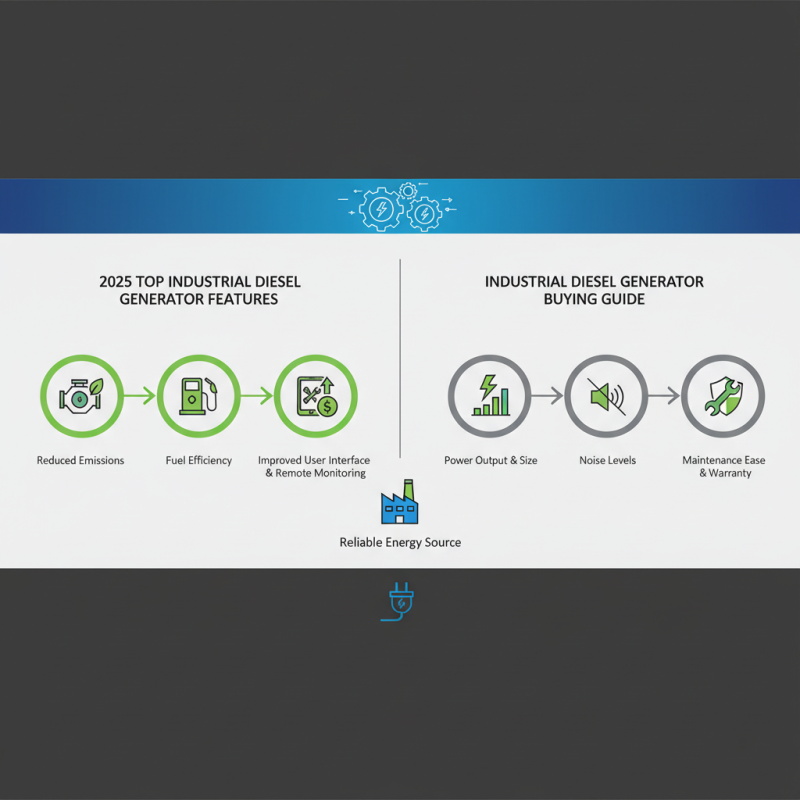
Top Features of Industrial Diesel Generators in 2025
In 2025, industrial diesel generators are expected to showcase advanced features that significantly enhance their performance and efficiency. One of the most notable trends is the integration of intelligent monitoring systems. According to the International Journal of Energy Research, predictive maintenance technologies, which employ IoT sensors and data analytics, can reduce downtime by up to 30%. This proactive approach enables operators to anticipate potential failures, ensuring continuous operation and optimizing maintenance schedules.
Additionally, environmental considerations are transforming diesel generator designs. In line with the global push for sustainability, newer models are equipped with technologies that reduce emissions and noise levels, aligning with the standards set by the Environmental Protection Agency (EPA). Reports indicate that the implementation of Tier 4 final standards has led to reductions in particulate matter and NOx emissions by as much as 90%, making these generators a more eco-friendly option for industrial applications.
Furthermore, adaptability and fuel efficiency remain critical features for industrial diesel generators in 2025. Advanced fuel injection systems and turbocharging technologies are contributing to better fuel consumption rates, with improvements cited in studies showing efficiency gains of up to 15% compared to previous models. This increased efficiency not only lowers operational costs but also extends the lifecycle of the equipment, making it a sound investment for industries that rely on robust energy solutions.
2025 Top Industrial Diesel Generator Features
This chart illustrates the importance of various features of industrial diesel generators in 2025, highlighting aspects such as fuel efficiency, load capacity, noise level, durability, and maintenance cost based on a rating scale. The higher the rating, the more significant the feature's impact on overall performance.
Key Factors to Consider When Buying Diesel Generators
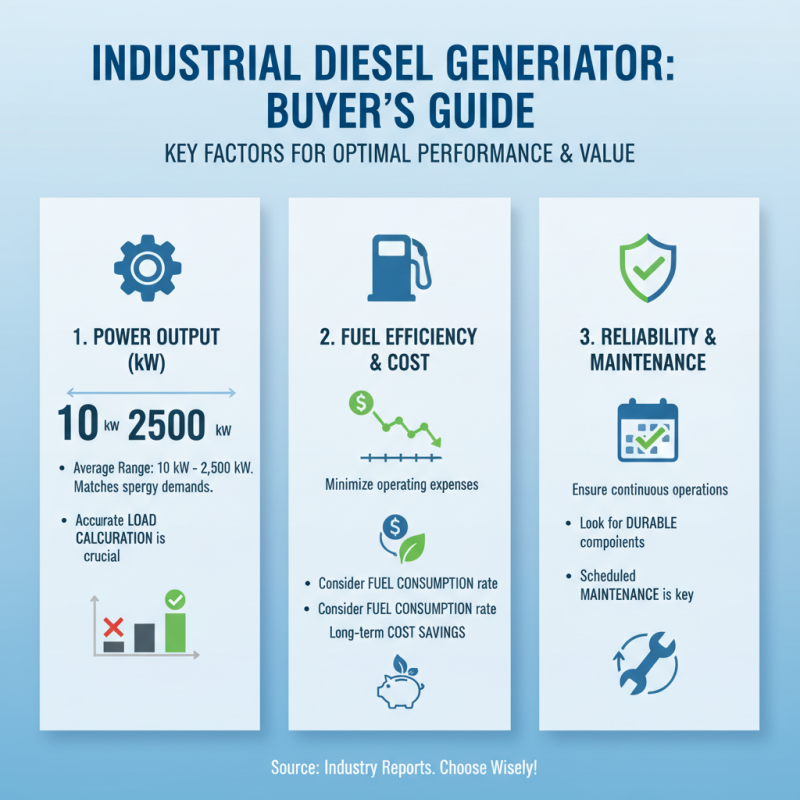
When considering the purchase of a diesel generator for industrial use, several key factors must be taken into account to ensure optimal performance and value. Firstly, one of the primary considerations is the generator's power output, typically measured in kilowatts (kW). According to industry reports, the average industrial diesel generator ranges from 10 kW to 2,500 kW, allowing businesses to choose a unit that aligns with their specific energy demands. Calculating load requirements accurately is crucial to avoid under or over-sizing the generator, which can lead to inefficiencies and increased operating costs.
Another important factor is fuel efficiency. Diesel generators are known for their longevity and reliability, but their operating costs can vary significantly based on fuel consumption rates. Recent studies indicate that the most efficient models can achieve fuel consumption as low as 0.2 liters per kWh. Additionally, purchasing a generator with a lower Total Cost of Ownership (TCO) can lead to significant savings over time, as maintenance and repair needs should also be evaluated.
Tips: When examining options, consider generators that offer features such as automatic load management systems and sound attenuation enclosures, which can enhance operational efficiency and reduce noise pollution. Also, consult performance data and user reviews to make an informed decision based on real-world experiences, ensuring the selected unit meets your operational requirements effectively.
Comparative Analysis of Leading Diesel Generator Brands in 2025
In 2025, the landscape of industrial diesel generators is evolving, characterized by enhanced efficiency, advanced technological features, and increased environmental awareness. A thorough comparative analysis of leading brands reveals pivotal differences in performance metrics, fuel consumption rates, and maintenance requirements. As businesses prioritize operational continuity, the focus shifts to generators that not only meet power demands but also offer longer service intervals and improved reliability.
Key differentiators among the top contenders include noise reduction technologies, integrated control systems, and the ability to operate in diverse climatic conditions. Some brands emphasize user-friendly interfaces and remote monitoring capabilities, which provide businesses with real-time insights into generator performance and diagnostics.
Energy efficiency has also become a crucial consideration, with manufacturers developing units that comply with stricter emissions regulations while still delivering robust power output. The combination of these features positions certain models as more favorable choices for industries looking to balance economic operation and environmental responsibility.
Maintenance Tips for Enhanced Performance and Longevity
Proper maintenance of industrial diesel generators is crucial for ensuring optimal performance and longevity. According to a report by the Diesel Engine Manufacturers Association (DEMA), regular maintenance can enhance the lifespan of a diesel generator by as much as 30%. This underscores the importance of adhering to a structured maintenance schedule that includes routine inspections and necessary repairs. Key maintenance tasks such as oil changes, air filter replacements, and coolant checks should be performed at specified intervals to prevent potential breakdowns and enhance operational efficiency.
Additionally, implementing a comprehensive maintenance program can significantly reduce operational costs. A study by the International Energy Agency (IEA) indicates that up to 80% of generator-related failures can be traced back to poor maintenance practices. By investing in preventive maintenance, operators not only mitigate the risk of unexpected failures but can also improve fuel efficiency and reduce emissions. Monitoring key metrics such as load levels and operational hours allows owners to better understand when and what type of maintenance is required, ensuring that their generators operate at peak performance levels year-round.
Trends Shaping the Future of Industrial Diesel Generators
The future of industrial diesel generators is being shaped by several key trends that reflect the evolving needs of businesses and technological advancements. One significant trend is the increasing emphasis on fuel efficiency and reduced emissions. As industries strive for sustainability, manufacturers are innovating to produce generators that operate more cleanly and efficiently. This shift is often coupled with the integration of advanced monitoring systems that use real-time data to optimize fuel consumption and performance, ultimately reducing the carbon footprint of industrial operations.
Another trend is the growing adoption of digital technologies within the generator market. With the rise of IoT (Internet of Things), operators can now access and analyze data remotely, facilitating predictive maintenance and improving overall reliability. This digital transformation not only enhances operational efficiency but also helps facility managers make informed decisions about energy management and backup power solutions. Additionally, the push towards hybrid systems, which combine diesel generators with renewable energy sources, is becoming increasingly popular, further aligning with the global movement towards energy efficiency and resource conservation.