What is a Marine Diesel Generator and How Does it Work for Your Needs
A marine diesel generator is a crucial component for various maritime operations, providing reliable power for engines, machinery, and onboard systems. Understanding how this specialized generator works can greatly enhance its efficiency and functionality in meeting your specific needs. This introduction serves as a springboard into the fascinating world of marine diesel generators, exploring their inner workings, benefits, and applications in the marine environment.
As vessels become increasingly reliant on powerful and efficient energy sources, the marine diesel generator emerges as a key player in ensuring continuous operation and overall performance. From commercial shipping and fishing boats to luxury yachts, these robust generators offer unmatched reliability and durability, making them an essential investment for any marine endeavor. In this discourse, we will delve into the mechanics of marine diesel generators, highlighting their unique features and the vital role they play in supporting maritime activities.
Furthermore, the 2025 Top 10 trends and advancements in marine diesel generator technology will be discussed, shedding light on how innovations can cater to evolving energy demands and environmental regulations. By understanding the full scope of marine diesel generators, users can make informed decisions that optimize their marine operations, ensuring both efficiency and sustainability on the high seas.
Understanding the Basics of Marine Diesel Generators and Their Components
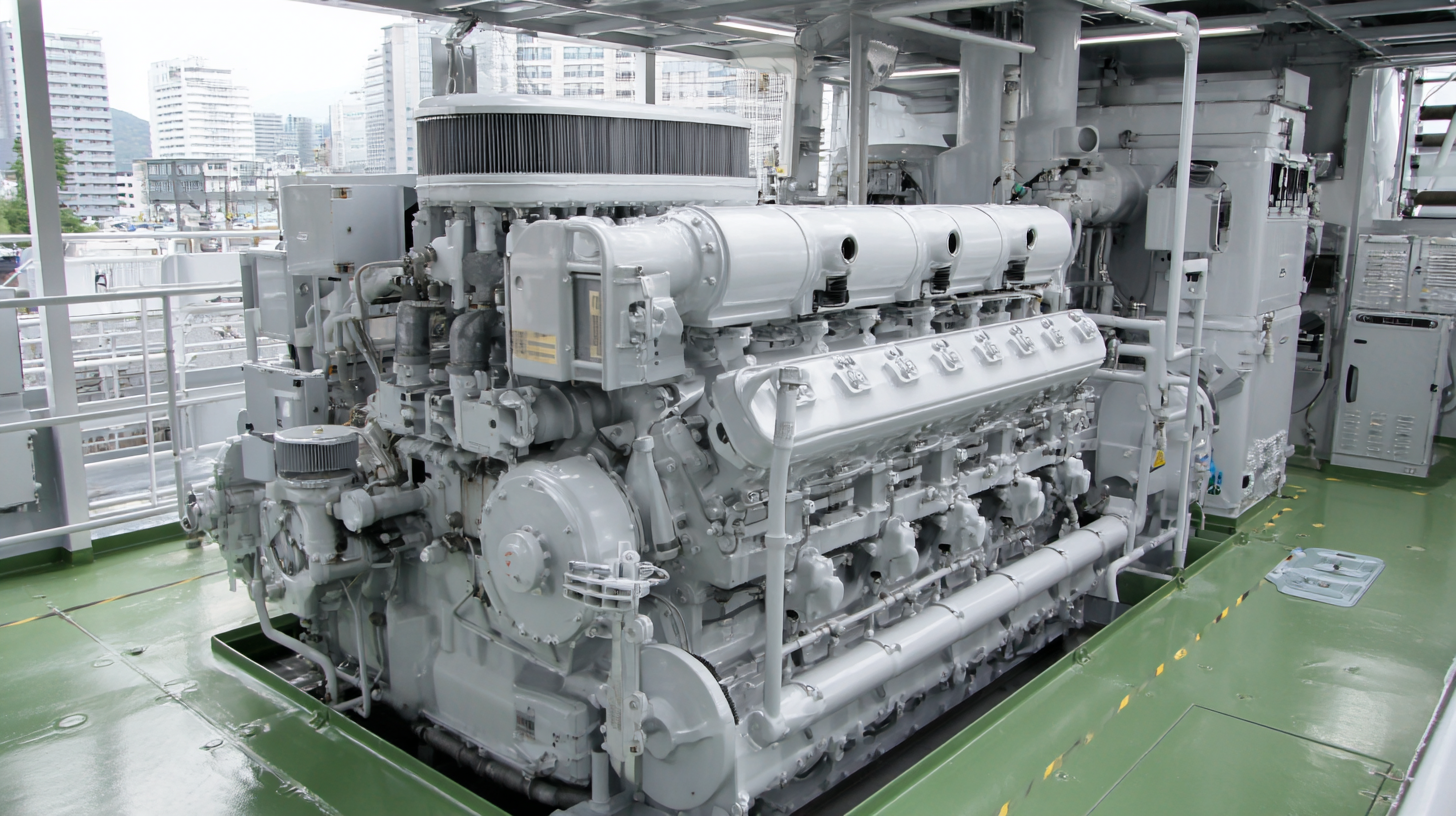
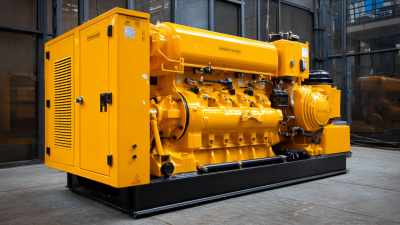
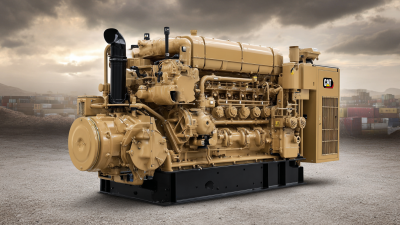
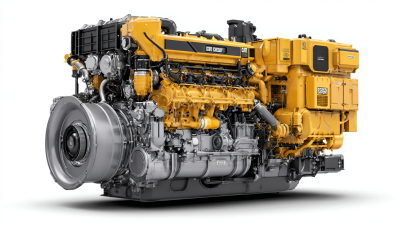
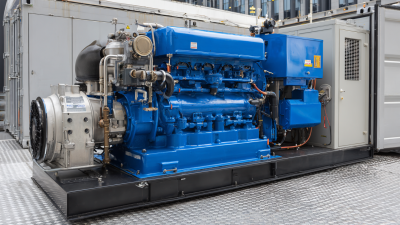
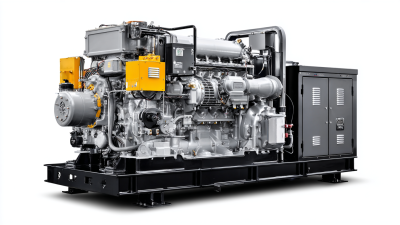
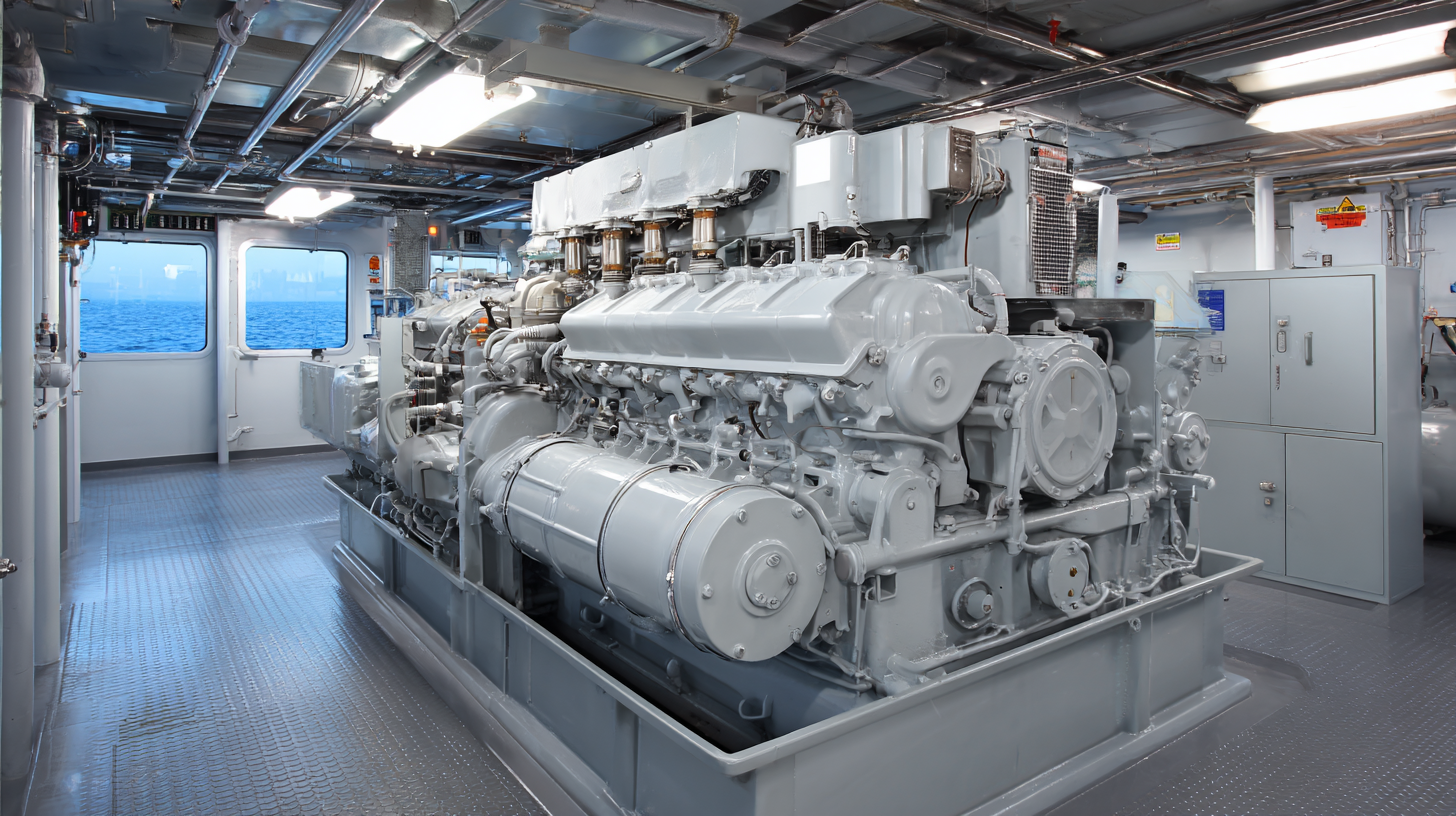
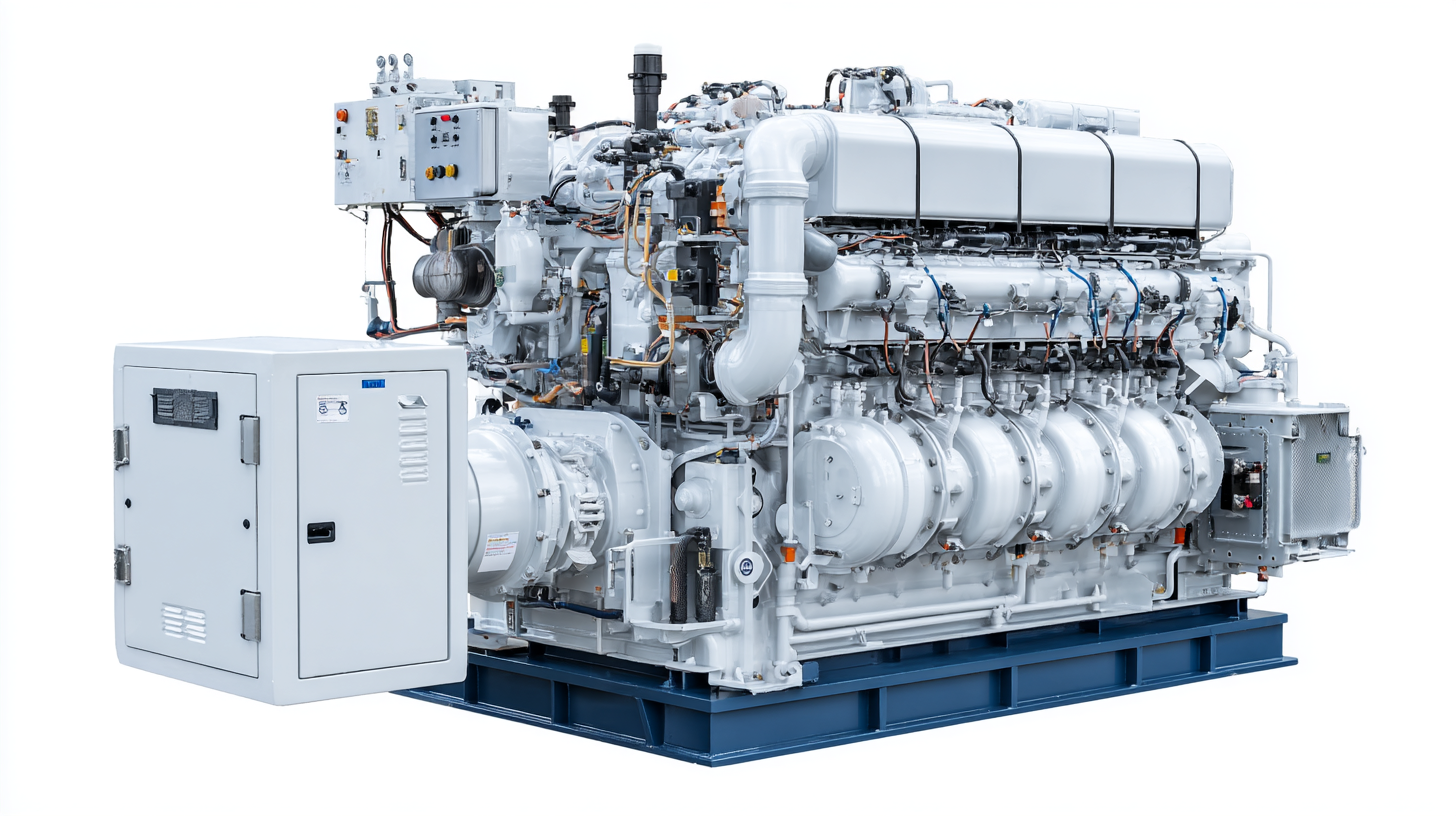 Marine diesel generators (MDGs) play a crucial role in powering various vessels, from recreational boats to large shipping fleets. Understanding their components is essential for optimizing their performance. The main components include the engine, alternator, cooling system, and control panel. The engine converts diesel fuel into mechanical energy, while the alternator transforms that energy into electrical power. A robust cooling system ensures the engine operates efficiently, preventing overheating, which can significantly reduce performance and lifespan.
Tip: Regular maintenance, including checking fluid levels and replacing filters, can enhance the reliability of your marine diesel generator.
According to a report by Allied Market Research, the marine diesel generator market is expected to grow significantly, driven by the rising demand for reliable power sources in the maritime industry. This growth highlights the importance of understanding the specific needs of your vessel and selecting a generator that matches your power requirements precisely. Features such as fuel efficiency and noise reduction capabilities can also improve your overall experience at sea.
Tip: Investing in a generator with advanced monitoring systems can provide real-time insights into performance, helping you to anticipate maintenance needs before issues arise.
How Marine Diesel Generators Operate: A Step-by-Step Guide
Marine diesel generators are crucial components in the maritime industry, providing essential power for various onboard operations. These generators function by converting the chemical energy of diesel fuel into mechanical energy through combustion, which then drives an alternator to produce electricity. According to industry reports, diesel generators are preferred in marine applications due to their reliability and fuel efficiency, with many vessels relying on them for emergency power, propulsion assistance, and supporting onboard systems.
To understand how marine diesel generators operate, we can break the process down into simple steps. Initially, fuel is drawn from the ship’s fuel tanks and pumped into the generator’s combustion chamber. Here, it mixes with air, and an ignition source—typically a glow plug or a compression stroke—starts the combustion process. The resulting hot gases expand and push against the engine's pistons, converting thermal energy into mechanical movement. This movement turns the alternator, generating electricity that powers onboard systems. Recent investigations in the maritime sector indicate the importance of maintaining these generators in proper operational mode, as issues such as misconfigured settings can lead to significant power loss, highlighting the need for regular inspection and maintenance practices to ensure reliability and efficiency in marine operations.
Key Benefits of Using Marine Diesel Generators on Your Vessel
Marine diesel generators (MDGs) offer significant advantages for vessels, particularly in terms of efficiency and reliability. One of the primary benefits of using MDGs on your ship is their ability to provide a steady power output, essential for both propulsion and onboard electrical systems. These generators are known for their durability and robust performance, critical for the demanding marine environment. For instance, as shown in recent developments, sophisticated hybrid systems are being integrated into luxury cruise liners and support vessels, highlighting the trend toward more efficient energy use, which is facilitated by MDGs.
Moreover, the move toward greener technologies in the maritime industry has introduced innovative applications of MDGs. With an increasing focus on reducing emissions, direct-current marine generators are emerging as a solution for vessels with variable power demands. Such systems enhance energy efficiency and reduce fuel consumption, contributing to overall operational cost savings. Additionally, the adoption of hybrid propulsion systems in the U.S. ferry sector underscores the growing trend to leverage the benefits of MDGs, emphasizing both environmental responsibility and superior performance for various marine applications.
Choosing the Right Marine Diesel Generator for Your Specific Needs
When selecting a marine diesel generator, it's crucial to assess your specific power requirements. Consider the total wattage of all the electrical appliances and systems you intend to run simultaneously. This includes navigation equipment, lighting, and any onboard amenities. It’s advisable to choose a generator with a power capacity that exceeds your estimated needs by at least 20% to ensure reliable performance and avoid overloading.
Another important factor is the size and weight of the generator. It should fit comfortably within your vessel without compromising stability or space. Additionally, think about the fuel efficiency and maintenance requirements of the generator. Research models known for their reliability and ease of service, as this will save time and money in the long run.
**Tips:** Always consult with a marine professional to ensure you are purchasing the right model for your needs. Regularly monitor the generator’s performance and maintenance schedule to extend its lifespan. Don’t forget to check noise levels, especially if you often anchor in quiet areas; a quieter generator can significantly enhance your overall experience on the water.
Maintenance Tips for Optimal Performance of Marine Diesel Generators
To ensure the optimal performance of marine diesel generators, regular maintenance is essential. First and foremost, it’s crucial to adhere to the manufacturer’s service schedule, which typically includes oil changes, fuel filter replacements, and coolant checks. Routine inspections of the generator’s electrical connections and battery condition can help prevent unexpected failures. Additionally, inspecting the generator's cooling system for leaks and blockages ensures that it operates within the recommended temperature range, which is vital for longevity.
Another important aspect of maintenance is keeping the generator clean. Regularly remove any debris, salt, or corrosion that may accumulate on the exterior or within the engine components. This practice not only improves efficiency but also minimizes the risk of overheating. Furthermore, testing the generator under load periodically can help verify its performance and identify any issues before they escalate, ensuring that it is always ready to meet your power needs at sea.