How to Choose the Right Yanmar Generator for Your Power Needs in 2025
When it comes to selecting the right Yanmar generator for your power needs in 2025, it is essential to understand the various factors that influence your decision. Generators are crucial for ensuring a reliable power supply, whether for personal use, business operations, or emergency situations. With advancements in technology and increasing energy demands, the Yanmar generator stands out as a viable option that combines efficiency, durability, and performance.
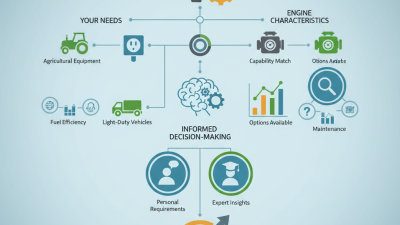
Understanding your specific requirements, such as power capacity, fuel type, and intended application, will guide you in choosing the most suitable Yanmar generator. Different models available in the market vary in features and capabilities, making it important to evaluate each one against your unique needs. Additionally, considering aspects like maintenance, noise levels, and environmental impact will play a significant role in the decision-making process. By taking these factors into account, you can ensure that you invest in a generator that not only meets your current demands but also adapts to future energy needs.
Understanding Your Power Requirements for 2025
When considering the right generator for 2025, understanding your power requirements is crucial. The demand for reliable power sources continues to grow, propelled by emerging technologies and an increase in energy consumption. According to a report from the International Energy Agency, global electricity demand is expected to increase by 3% annually over the next few years. This necessitates a careful assessment of your specific power needs to select a generator that can efficiently meet those demands.
When analyzing your power needs, consider both your daily consumption and any potential spikes in usage. For instance, residential consumers may require a generator that can handle the load of essential appliances such as refrigerators, HVAC systems, and home offices. A study by the Electric Power Research Institute indicates that an average U.S. household uses about 877 kWh per month, which translates to roughly 29 kWh per day. To account for peak usage, it’s wise to add an additional 20% to your estimated needs, ensuring that your generator can handle transient loads without compromising performance.
Tip: Make a detailed list of all devices you intend to power, along with their wattage requirements, to get a clearer picture of your total load. This will help you select a generator with the appropriate capacity.
Tip: Also, consider future expansion. If you plan to add more appliances or systems, choose a generator that provides some headroom beyond your current requirements, accommodating growth and ensuring long-term satisfaction.
By thoroughly evaluating your power needs now, you can select a generator that not only fulfills your requirements but also positions you for a sustainable energy future as technology continues to evolve.
Key Features to Consider in Yanmar Generators
When selecting the right generator for your power needs, especially in 2025, understanding the key features is essential. One of the foremost considerations is the generator's power output. Assess your energy requirements and ensure the generator can handle both your continuous and peak loads. It's crucial to choose a unit that offers a buffer above your needs to accommodate unexpected power surges.
Another important feature to look for is fuel efficiency. Generators with higher fuel efficiency not only save on operating costs but also reduce environmental impact. Check for models that boast advanced fuel technologies or hybrid systems for optimal performance.
Tips: Always consider the noise level of the generator, especially if you plan to use it in residential areas or during quieter hours. Look for units that include sound-dampening technology or features designed for quieter operation. Additionally, prioritize ease of maintenance; generators that come with accessible service points and straightforward user guides can save you time and effort in the long run.
Comparing Different Yanmar Generator Models
When selecting the right generator for your power needs, understanding the nuances between different models is crucial. Yanmar offers a variety of generator options that cater to diverse requirements, from residential backup to industrial applications. According to a recent market report by Research and Markets, the global generator market is projected to grow significantly, driven by an increasing demand for reliable power sources, especially in regions prone to outages. This growth emphasizes the importance of choosing a generator model that aligns perfectly with the intended usage.
For instance, Yanmar's lineup includes models with varying power outputs, fuel types, and features. The report highlights that portable generators can typically range from 1 kW to over 10 kW, which makes them ideal for home use and smaller industries. In contrast, stationary models often provide a higher kW output, making them suitable for commercial applications requiring continuous operation. Evaluating your power requirements against these model specifications will ensure that you select a generator tailored to your needs, avoiding underperformance or unnecessary expenditure. Understanding the specifications and intended usage of each model is foundational to making an informed and effective choice.
Assessing Fuel Efficiency and Maintenance Needs
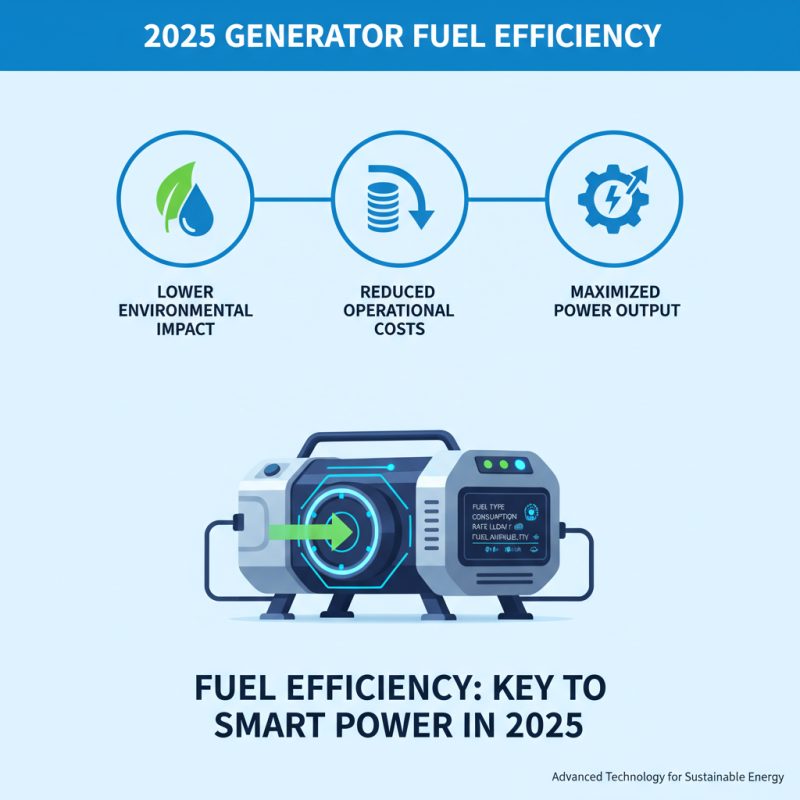
When selecting a generator, one of the critical factors to consider is fuel efficiency. A generator that operates efficiently reduces overall fuel consumption, which not only lowers operational costs but also minimizes environmental impact. In 2025, advancements in generator technology are expected to enhance fuel efficiency further, allowing users to maximize output while minimizing resource use. It is essential to assess the generator's fuel type, its consumption rate under different loads, and the availability of that fuel in your area to ensure it meets your specific power needs.
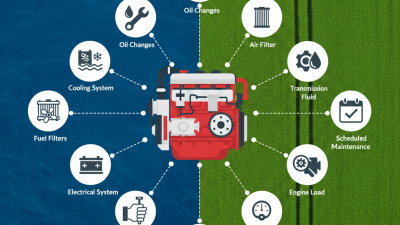
Maintenance needs are equally important in the overall evaluation of a generator. Regular maintenance ensures that the generator operates at peak performance and prolongs its lifespan. In 2025, many models are likely to offer user-friendly maintenance features, such as easy access to key components for servicing. Look for generators that come with clear maintenance schedules and available support resources. Understanding the lubrication requirements, filter replacements, and cooling system needs will help you choose a generator that balances performance with manageable upkeep, ultimately leading to more reliable power generation for your needs.
Factors Affecting Generator Portability and Size
When selecting a generator, two critical factors to consider are portability and size.
Portability is essential for users who require flexibility, whether for outdoor activities, job sites, or emergency situations.
Factors such as weight, handle design, and wheel configuration play significant roles in a generator's portability.
A compact generator that can fit comfortably in a vehicle and is easy to maneuver will typically be preferred by those who need to transport it frequently.
Additionally, battery-powered or smaller inverter models often provide better portability without sacrificing too much power output.
Size, on the other hand, relates not only to physical dimensions but also to power capacity.
A larger generator can accommodate more appliances and equipment, making it suitable for heavy-duty use.
However, larger units tend to be heavier and less mobile. It's crucial to find a balance between size and power output that suits your specific needs.
Users in urban environments might prioritize smaller, space-efficient models that can easily be stored, whereas those in rural areas may require larger units to handle higher energy demands.
By evaluating these factors carefully, one can ensure that they choose a generator that is both convenient to use and capable of delivering the necessary power.