Top 10 Benefits of Fiber Optic Laser Engraving Machines?
In the growing landscape of manufacturing and design, the **Fiber Optic Laser Engraving Machine** stands out for its remarkable efficiency and precision. Recent industry reports indicate that the global laser engraving market is expected to reach $4.2 billion by 2027, with fiber laser technology driving significant growth. This technology not only offers superior engraving quality but also enhances productivity, making it a vital tool for various sectors.
Manufacturers and artisans are increasingly turning to fiber optic laser engraving for its versatility and reliability. The machines can handle a range of materials, including metals, wood, and plastics, and produce intricate designs with minimal waste. According to a survey by the Laser Institute of America, over 70% of businesses using fiber lasers reported increased operational efficiency. However, while fiber optic systems demonstrate many benefits, they also require substantial initial investment and technical knowledge, which can be barriers for some.
Understanding the benefits of fiber optic laser engraving machines is crucial. It helps businesses evaluate how this technology can fit into their operations. The potential for enhanced design possibilities and faster production times makes these machines an exciting option for those willing to adapt to new technology, though consideration of total costs and training is essential.
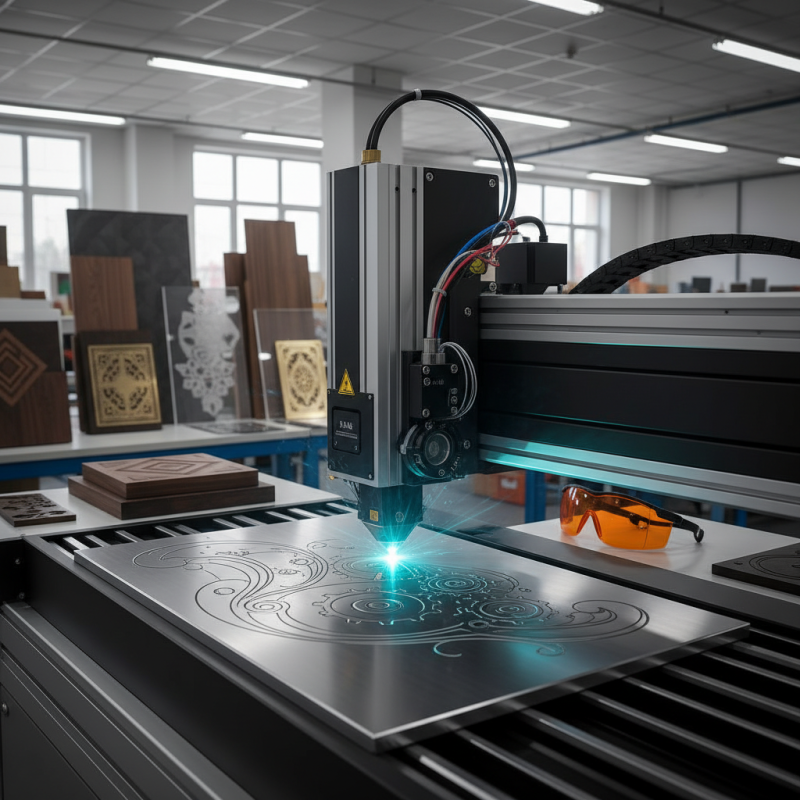
Overview of Fiber Optic Laser Engraving Machines
Fiber optic laser engraving machines are revolutionizing the engraving industry. These machines utilize advanced fiber optic technology to deliver precise and high-quality engravings. They are versatile, able to work on various materials like metal, wood, and acrylic. This adaptability makes them essential tools for artists, manufacturers, and hobbyists alike. The ease of use also needs to be highlighted. Users often find that they require less training than with traditional engraving methods.
In practice, fiber optic laser engraving can produce intricate designs and detailed finishes. The speed of engraving is impressive, significantly reducing production times. However, these machines can be costly and require proper maintenance to keep them in optimal condition. While the technology is robust, occasional adjustments to the settings can be tedious.
It's also worth noting that safety precautions are crucial. Users must wear protective gear to prevent eye damage from the intense laser light.
High Precision and Detail in Engraving Projects
Fiber optic laser engraving machines have gained attention for their incredible precision. These machines can achieve detail levels that traditional engraving methods struggle to replicate. According to a study from the Laser Institute of America, laser engraving can create intricate designs with precision rates up to 0.01 mm. This capability opens new doors for industries requiring superior quality, such as jewelry and electronics.
The detail produced is not just about aesthetics. It's also about functional applications. For example, when engraving barcodes or QR codes, high precision ensures scannability and reduces errors. Studies indicate that inaccuracies in engraving can lead to a 10-15% increase in processing times. In contrast, fiber optic technology minimizes these risks. Users often report that projects end up looking sharp and professional.
However, despite their advantages, fiber optic lasers can be tricky to master. The learning curve might deter some users. Additionally, while the machines are robust, they require regular maintenance for optimal performance. Some find the initial setup daunting. Nonetheless, the potential benefits are substantial. High precision allows for greater artistic expression and effectiveness in functional projects.
Speed and Efficiency Compared to Traditional Engraving Methods
In the competitive landscape of manufacturing, speed is paramount. Fiber optic laser engraving machines have revolutionized the engraving process. These machines can operate up to 10 times faster than traditional methods. According to a study by the Laser Industry Association, companies that switched to fiber lasers reported a 30% reduction in production time.
Efficiency plays a key role too. Fiber lasers produce high-quality engravings without the need for extensive setup time. Traditional methods often require multiple passes, which increases time and cost. In contrast, fiber optics can engrave deeply and accurately in a single pass. This not only enhances productivity but also allows for intricate designs that were once impossible with rotary engravers.
When choosing engraving methods, consider these tips: assess your production volume and the complexity of designs. Always evaluate the initial investment against long-term savings. While fiber lasers may have a higher upfront cost, their longevity and energy efficiency can lead to significant cost reductions over time. Embracing new technology can initially seem daunting, but the benefits can far outweigh the challenges. Reflect on your current processes; are they as efficient as they could be?
Top 10 Benefits of Fiber Optic Laser Engraving Machines
| Benefit | Description | Efficiency Rating (1-10) |
| Speed | Fiber optic lasers can engrave materials at significantly faster speeds than traditional methods. | 9 |
| Precision | These machines provide high levels of accuracy and detail in engraving. | 10 |
| Versatility | Can engrave on various materials including metals, plastics, glass, and wood. | 8 |
| Cost-Effectiveness | Lower operating costs over time due to reduced maintenance and quicker production. | 7 |
| Durability | Fiber lasers have a longer lifespan compared to traditional laser sources. | 9 |
| Minimal Material Waste | Efficient energy use minimizes waste during the engraving process. | 8 |
| User-Friendly Software | Most fiber optic engravers come with intuitive design software. | 7 |
| Environmentally Friendly | Less harmful emissions compared to traditional engraving processes. | 9 |
| Customizations | Allows for high levels of customization in the engraving process. | 9 |
| Low Maintenance | Requires less frequent maintenance compared to traditional lasers. | 8 |
Versatility Across Various Materials and Applications
Fiber optic laser engraving machines stand out for their incredible versatility. These machines can work seamlessly across a broad range of materials. From wood and acrylic to glass and metal, the potential applications are vast. The precision offered by fiber lasers allows for detailed engravings that are both sharp and clean. This capability makes them ideal for personalized gifts, industrial parts marking, and intricate designs.
One notable advantage is their adaptability. Users can easily switch between materials, ensuring efficiency in production. For instance, a woodworker may shift to engraving on metal without needing extensive modifications. However, mastering this technology requires practice. In some cases, inconsistencies may arise in engraving depth or clarity. It's crucial to fine-tune settings for different materials to achieve optimal results.
Additionally, the expanding range of applications invites exploration. Laser engraving can be used in art, educational projects, and promotional items. Challenges may include determining the right speed and power settings. Learning from errors can lead to better results in future projects. Experimentation is key to unlocking the full potential of fiber optic laser technology.
Cost-Effectiveness and Long-Term Benefits of Fiber Optic Technology
Fiber optic laser engraving machines are known for their impressive cost-effectiveness. They use advanced technology that delivers high precision and speed. Compared to traditional methods, they reduce material waste significantly. This efficiency translates directly into savings for businesses. Over time, the investment in fiber optic technology pays off.
Introducing fiber optics into your operations can enhance productivity. They can operate for longer periods without overheating or needing extensive maintenance. This longevity means less downtime and fewer repair costs. While initial costs may seem high, the savings accumulate over years of use. Engraving materials that were once considered too costly become feasible options.
However, some users might face a learning curve. Mastering the software and machine can take time. Many find the technology intimidating at first. But with dedicated training and practice, the benefits become clear. Businesses often see improved quality and quicker turnaround times, enhancing overall performance. Embracing fiber optic technology is a step toward future growth and efficiency.
