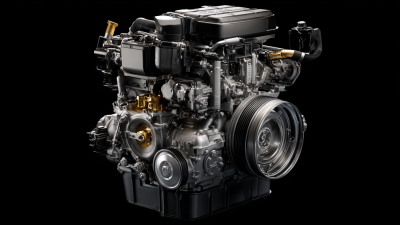
Top 10 Benefits of Diesel Motors: Why They’re the Best Choice for Your Needs
As industries strive for efficiency and sustainability, the choice of power sources becomes increasingly crucial. One of the most reliable and robust options available is the diesel motor. According to a report by the International Energy Agency, diesel engines are renowned for their higher thermal efficiency and lower CO2 emissions compared to gasoline engines, making them a preferred choice in various applications, including transportation, construction, and agriculture. With advancements in technology, modern diesel motors not only enhance fuel efficiency but also minimize the environmental footprint, addressing concerns around carbon emissions.
Industry expert Dr. Lisa M. Johnson, a renowned automotive engineer and diesel technology specialist, notes, "Diesel motors have evolved significantly, providing powerful alternatives that deliver exceptional performance coupled with reduced fuel consumption." As we delve into the top benefits of diesel motors, it becomes evident that they offer unparalleled durability, cost-effectiveness, and operational efficiency. Businesses and consumers alike increasingly recognize that diesel motors meet power demands while adhering to stricter environmental regulations. This article will explore the distinct advantages that make diesel motors the optimal choice for contemporary needs.

Advantages of Diesel Motors: Fuel Efficiency and Longevity
Diesel motors are increasingly recognized for their unparalleled fuel efficiency and longevity, making them an optimal choice for various applications, from heavy-duty vehicles to industrial machinery. According to the U.S. Energy Information Administration, diesel engines can achieve up to 25-30% higher fuel efficiency compared to their gasoline counterparts. This significant advantage translates into lower operational costs and reduced fuel consumption for users, which is crucial in today’s economy where every cent counts.
Moreover, the longevity of diesel engines is another key benefit. Studies show that diesel motors can last significantly longer than gasoline engines, with average lifespans reaching up to 1 million miles, compared to approximately 200,000 to 300,000 miles for gasoline engines. This durability not only minimizes the frequency of replacements but also enhances the overall return on investment for equipment and vehicles. The robust nature of diesel engines is attributed to their heavier construction and ability to withstand higher levels of stress and temperature, further contributing to their extended service life.
**Tips:** When considering diesel motors, it's vital to maintain regular servicing and use high-quality fuel to maximize efficiency and longevity. Additionally, investing in engine additives can help maintain optimal performance and reduce emissions. Choosing the right type of diesel engine for your specific needs can also yield greater savings and efficiency over time.
Top 10 Benefits of Diesel Motors
Torque and Power Output: Key Benefits for Heavy-Duty Applications
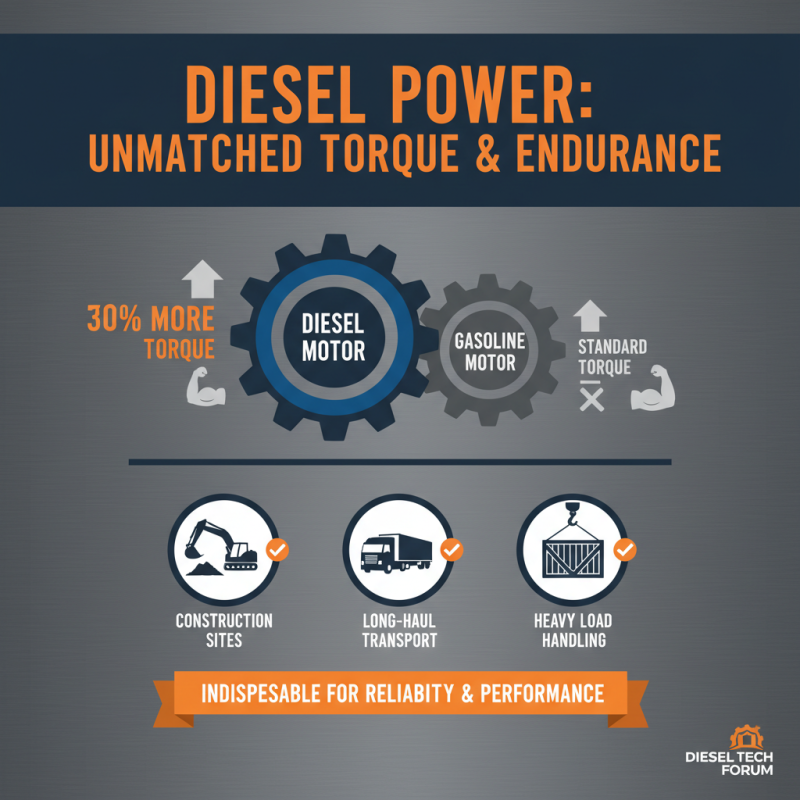
Diesel motors are renowned for their exceptional torque and power output, which makes them the preferred choice for heavy-duty applications. According to a report by the Diesel Technology Forum, diesel engines produce approximately 30% more torque than their gasoline counterparts, which translates to better performance in demanding environments such as construction sites and long-haul transportation. This high torque output is instrumental in enabling heavy machinery and vehicles to haul substantial loads efficiently, making diesel engines indispensable in industries that require reliability and operational performance.
Moreover, diesel motors exhibit superior fuel efficiency, which is closely related to their power output capabilities. The U.S. Department of Energy notes that diesel engines can achieve fuel economies of 25% to 30% better than comparable gasoline engines, primarily due to the higher energy density of diesel fuel and the engine design itself. This efficiency allows vehicles and machinery to operate longer while consuming less fuel, resulting in lower operating costs. As such, for businesses relying on transport and logistics, selecting diesel motors can lead to significant savings and improved productivity, ultimately contributing to a more robust bottom line.
Lower CO2 Emissions: Environmental Impact of Diesel Engines
Diesel engines are often praised for their efficiency and power, but one of their significant advantages lies in their lower CO2 emissions compared to gasoline engines. This environmental impact is crucial in today’s context, as reducing greenhouse gases is a top priority for combating climate change. Diesel motors typically emit less carbon dioxide per kilometer traveled, thanks to their superior fuel economy and higher energy density. This characteristic makes them an attractive choice for industries and consumers looking to reduce their carbon footprint while still benefiting from robust performance.
Moreover, the technology behind diesel engines has evolved to enhance their environmental efficiency further. Modern diesel engines are equipped with advanced emissions control systems that help minimize the release of harmful pollutants. As a result, while diesel engines have been historically viewed with skepticism regarding their emissions, contemporary advancements ensure that they contribute to a cleaner environment. By opting for diesel motors, users are not only choosing a reliable power source but are also making a positive impact on air quality and sustainability initiatives.
Cost-Effectiveness: Comparing Diesel and Gasoline Engine Prices
When comparing diesel and gasoline engines, cost-effectiveness becomes a significant factor in determining which option suits your needs best. Diesel engines generally have a higher initial purchase price compared to their gasoline counterparts. However, the long-term savings associated with diesel motors often outweigh these upfront costs. Diesel fuel tends to be cheaper than gasoline, and diesel engines are typically more fuel-efficient, meaning they require less fuel to achieve the same output. This efficiency translates into significant savings over time, especially for high-mileage applications.
Tips: When evaluating your options, consider the total cost of ownership, which includes fuel costs, maintenance, and resale value. Diesel engines have longer lifespans and may incur lower maintenance costs, so invest time in researching the average lifespan and upkeep requirements for both types of engines. Additionally, if your usage involves heavy loads or frequent towing, the torque and power characteristics of diesel engines can provide a further advantage in terms of efficiency and performance.
Furthermore, understanding the specific needs of your operation is crucial. For example, if you expect to drive extensively or in demanding conditions, a diesel engine may offer greater reliability and reduce fuel costs in the long run. By focusing on your operational demands, you can make a more informed decision on whether the higher initial investment in a diesel motor is justified by the overall savings and performance benefits it provides.
Maintenance and Durability: The Reliability of Diesel Technology
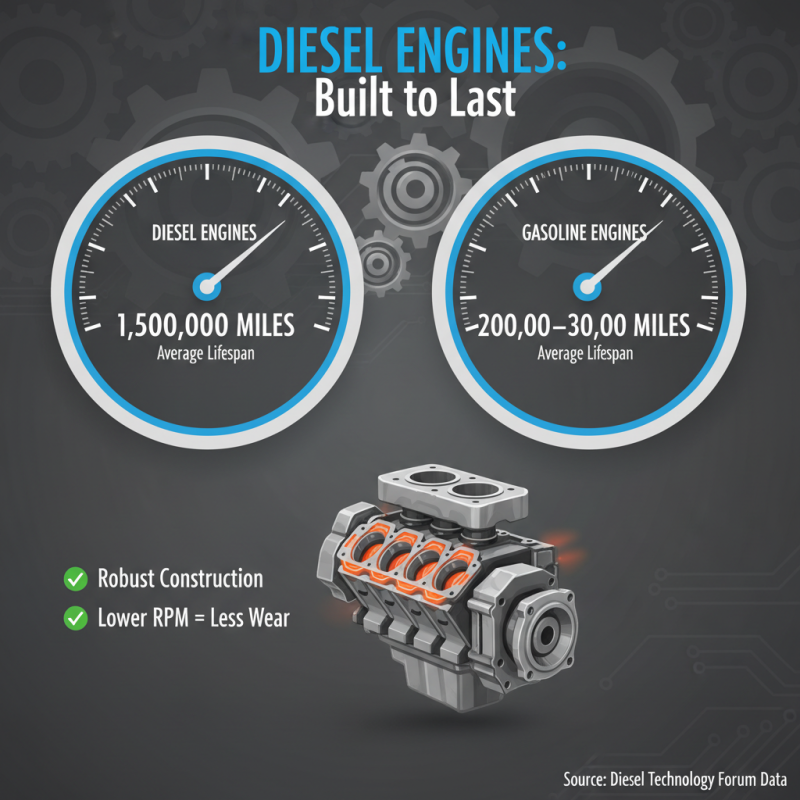
Diesel engines are renowned for their exceptional reliability and durability, which have positioned them as a preferred choice in various industries. According to data from the Diesel Technology Forum, diesel-powered vehicles often demonstrate a lifespan of up to 1.5 million miles, significantly outpacing gasoline engines, which typically last around 200,000 to 300,000 miles. This longevity is primarily attributed to the robust construction of diesel motors, which are built to withstand higher levels of stress and heat. Furthermore, the lower RPM operation of diesel engines leads to less wear and tear over time, promoting a longevity that is hard to match in other engine types.
When it comes to maintenance, diesel technology also stands out. Reports from the Society of Automotive Engineers indicate that diesel engines generally require less frequent servicing than gasoline engines, primarily due to their simpler mechanisms and fewer moving parts. For instance, while gasoline engines may need oil changes every 3,000 to 5,000 miles, diesel engines can often go 7,500 to 10,000 miles between oil changes. Additionally, the fuel efficiency inherent in diesel motors means that operators experience lower fuel consumption rates, further minimizing operational costs. This combination of long-lasting performance and lower maintenance requirements solidifies diesel engines' reputation as a reliable and cost-effective solution for various applications.